
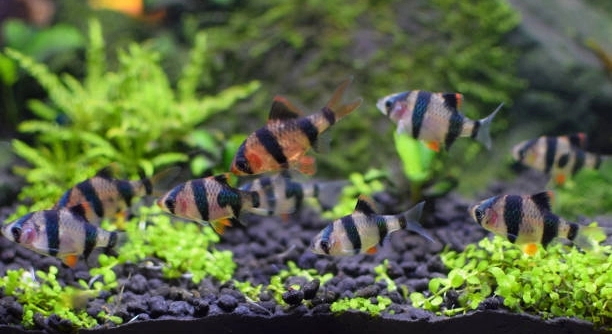
Have you ever set up a blackwater tank and wondered if your vibrant tiger barbs could thrive in such a dark environment?
Tiger barbs can live in blackwater tanks, but adjustments are necessary. These include stable water conditions, moderate acidity, and careful monitoring of behavior and compatibility with other species in the darker, tannin-rich water.
Learning how blackwater conditions affect tiger barbs can help you create a healthier, more comfortable setup for these active, colorful fish.
Understanding Blackwater Conditions
Blackwater tanks are known for their dark, tea-colored appearance caused by tannins released from driftwood, leaves, and other natural materials. These tanks mimic the waters of Southeast Asia and South America, where light penetration is low, and the environment is soft and slightly acidic. The pH usually falls between 5.5 and 6.8, and the water is often lower in minerals. This can feel very different from typical aquarium setups, especially if you’re used to clear, neutral water. While some fish struggle in these conditions, many thrive when the tank is well maintained. Adding Indian almond leaves and driftwood not only helps create the blackwater look but also supports the chemical balance. Consistent water parameters and proper filtration are key. Lighting is usually softer to reduce stress. Overall, blackwater tanks can be stable and healthy when set up with care and regular maintenance. Some fish even display better coloration in this setting.
The darker environment may affect visibility, but many species, including tiger barbs, adapt quickly to these changes in lighting and water chemistry.
Maintaining stability in temperature, pH, and filtration will ensure your blackwater tank remains healthy for your fish. Always use a good test kit to monitor levels and make slow adjustments when needed.
Tiger Barbs and Blackwater Tanks
Tiger barbs are adaptable fish, but they do best when changes are introduced slowly. Their natural environment doesn’t exactly match blackwater conditions, but they can adjust well to softer, slightly acidic water.
Start by checking your current tank parameters. If the pH is above 7.0, gradually lower it using botanicals like catappa leaves or driftwood. Sudden shifts can stress your fish, so take your time. Aim for a pH around 6.5 and ensure the temperature stays between 74–79°F. Tiger barbs are active swimmers and prefer open space, so don’t overfill the tank with decor. Use fine-leaved plants or floating foliage to mimic a low-light setup without crowding the swimming area. Watch for changes in behavior, especially aggression or signs of discomfort. It’s also important to maintain good oxygen levels, as darker tanks with lots of decay can reduce circulation. When balanced properly, tiger barbs can live comfortably and display vibrant colors even in blackwater setups.
Adjusting Tank Setup for Tiger Barbs
Use soft lighting and avoid bright overhead fixtures. Tiger barbs prefer dimmer environments in blackwater setups. Choose a dark substrate and natural décor like driftwood and catappa leaves to help replicate the conditions without overwhelming the fish or blocking their swimming space.
Provide plenty of open swimming space, as tiger barbs are fast, active swimmers. Keep decorations to the sides and use low-growing plants sparingly. Add surface cover like floating plants to reduce light exposure while keeping the middle area open. A sponge filter or gentle flow filter works best to avoid strong currents that might stress them. Regular water changes are still needed, but use pre-treated or aged water to avoid sudden parameter shifts. Maintain consistency in temperature and pH to avoid stressing the fish. Test the water weekly, especially when using botanicals, as they can impact the chemistry gradually. Aim for a clean yet natural feel in the setup.
Keep the tank covered securely. Tiger barbs are known to jump, especially when startled by light changes or loud noises. A secure lid helps prevent escape and keeps humidity balanced in the tank. Also, avoid placing the tank near high-traffic areas, as sudden movement can increase stress in low-light setups.
Diet and Health in Blackwater Conditions
Feed a varied diet that includes high-quality flakes, pellets, and occasional live or frozen foods like brine shrimp. In blackwater tanks, visibility is reduced, so feeding should be consistent and monitored to ensure all fish are eating properly.
Tiger barbs have strong appetites and thrive when offered a balanced, protein-rich diet. Supplementing with daphnia, bloodworms, or micro pellets encourages healthy growth and activity. In darker environments, fish may rely more on smell than sight, so avoid overfeeding and remove uneaten food quickly. This prevents water quality issues, especially in blackwater tanks where organic matter already affects parameters. Watch for signs of stress or illness such as frayed fins, clamped fins, or color loss. These may indicate poor diet or unsuitable water conditions. A good routine helps keep your barbs healthy. Quarantine new fish and plants before adding them to avoid introducing parasites or diseases, which spread more easily in warm, calm water.
Monitoring Behavior and Compatibility
Tiger barbs are semi-aggressive and may nip at slower or long-finned tankmates. In a blackwater tank, monitor interactions closely, as the low light can make spotting bullying more difficult at first.
Keep them in groups of at least six to reduce aggression. A proper group size helps spread out tension and keeps them active.
Water Maintenance and Stability
Blackwater tanks still require regular care. Perform weekly water changes of around 20% using pre-conditioned water. Test for ammonia, nitrite, nitrate, and pH regularly. Tannins can alter these levels over time, so stability is important. Clean filters gently to avoid disrupting beneficial bacteria, and replace botanical materials every few weeks.
Final Thoughts on Suitability
Tiger barbs can live in blackwater tanks when the environment is stable and properly maintained. With careful planning, they can stay healthy and active in these darker, tannin-rich conditions.
FAQ
Can tiger barbs live in blackwater tanks long term?
Yes, tiger barbs can live long term in blackwater tanks if the water conditions are stable. They need slightly acidic, soft water and moderate temperatures. It’s important to maintain consistent pH levels around 6.0 to 6.8 and keep the temperature between 74 and 79°F. Sudden changes in water chemistry can stress them, so gradual adjustments are necessary. Proper filtration and regular water changes help maintain a healthy environment. When these conditions are met, tiger barbs can thrive for years in a blackwater setup.
Do tiger barbs prefer blackwater or clear water?
Tiger barbs are naturally found in clear or slightly stained waters, so blackwater is not their ideal native environment. However, they are adaptable fish and can adjust well to blackwater tanks if the water parameters are appropriate. Blackwater tanks offer a softer, more acidic environment which can sometimes improve their coloration and behavior. Still, careful monitoring is needed because the darker water can make it harder to spot stress or illness early.
Will tannins from blackwater harm tiger barbs?
Tannins themselves are not harmful to tiger barbs and can even benefit them by slightly lowering pH and creating a more natural habitat. However, excessive tannins can stain the water very dark, reduce visibility, and sometimes reduce oxygen levels if decay is high. Proper aeration and regular water changes are necessary to prevent low oxygen. Using driftwood and Indian almond leaves in moderation can control tannin levels safely.
How often should water changes be done in a blackwater tank with tiger barbs?
Weekly water changes of 15-25% are recommended for blackwater tanks housing tiger barbs. This helps maintain water quality and prevents buildup of harmful substances. Use aged or dechlorinated water to avoid sudden changes in chemistry. Testing water parameters before and after changes ensures stability. Over time, tannins will accumulate, so replacing some of the blackwater regularly keeps the environment balanced without stressing the fish.
Can tiger barbs live with other fish in a blackwater tank?
Tiger barbs can live with other fish but should be kept with species that tolerate similar water conditions and can handle their semi-aggressive nature. Ideal tankmates include fast-swimming fish like danios, barbs, and some tetras. Avoid slow, long-finned, or delicate fish that may become targets for nipping. In blackwater tanks, it’s important to observe behavior closely since the dim environment may hide aggression at first.
Do tiger barbs need special lighting in blackwater tanks?
Yes, tiger barbs benefit from dimmer lighting in blackwater tanks because their natural environment has reduced light. Strong bright lights can stress them, so use low-intensity LED lights or cover part of the tank with floating plants to diffuse light. This also helps mimic their native habitat and reduces algae growth. Adjust lighting gradually if switching from a clear water setup to avoid shocking the fish.
What is the best diet for tiger barbs in blackwater tanks?
A varied diet is best for tiger barbs in blackwater tanks. High-quality flakes or pellets should form the base, supplemented with live or frozen foods like brine shrimp, bloodworms, or daphnia. Feeding small amounts multiple times a day encourages activity and maintains health. Since visibility is lower in blackwater, monitor feeding to avoid leftover food, which can affect water quality. Healthy nutrition supports their vibrant colors and reduces stress.
How can I tell if my tiger barbs are stressed in a blackwater tank?
Signs of stress include faded colors, clamped fins, hiding more than usual, loss of appetite, or erratic swimming. In blackwater tanks, reduced visibility may make it harder to spot these signs, so frequent close observation is necessary. Testing water parameters regularly also helps catch environmental issues early. Stress can arise from poor water quality, inappropriate tankmates, or sudden changes in lighting or temperature.
Should I quarantine tiger barbs before adding them to a blackwater tank?
Yes, quarantining new tiger barbs before introducing them to a blackwater tank is a good practice. This prevents introducing diseases or parasites that can spread quickly in a stable but delicate environment. A quarantine period of two to four weeks in a separate tank with similar water conditions helps detect health problems early. Treat any illnesses during quarantine before transferring the fish to the main tank.
Are tiger barbs jumpers, and how can I prevent escapes?
Tiger barbs are known to jump, especially if startled or stressed. To prevent escapes, always use a secure lid on the tank. Ensure the cover fits tightly without gaps. Sudden noises, bright light changes, or poor water conditions can increase jumping behavior. Keeping the tank in a low-traffic, stable environment reduces stress and jumping risks.
What plants work well with tiger barbs in blackwater tanks?
Low-light, hardy plants are best for blackwater tanks with tiger barbs. Java fern, Anubias, and floating plants like duckweed or water lettuce provide shelter without blocking swimming space. These plants tolerate acidic, tannin-rich water and low light. Avoid delicate or slow-growing plants that might be nipped or uprooted by the active tiger barbs. Floating plants help diffuse light and simulate the natural canopy of blackwater habitats.
How do I maintain oxygen levels in a tannin-rich blackwater tank?
Good aeration is key since tannins can reduce oxygen availability by affecting water chemistry. Use air stones, sponge filters, or gentle power filters that create surface agitation. Avoid strong currents that stress tiger barbs but keep water moving enough for gas exchange. Monitor fish behavior for signs of low oxygen such as gasping at the surface. Regular water changes also help maintain oxygen balance.
Can tiger barbs breed in blackwater tanks?
Breeding tiger barbs in blackwater tanks is possible but less common than in clearer water due to lower light and visibility. They prefer slightly acidic, soft water, which blackwater provides. Spawning usually requires a separate breeding tank with fine-leaved plants or spawning mops. Parents may eat eggs, so separating adults during breeding is advised. Conditions must be stable and clean for successful hatching.
Is blackwater harder to maintain than regular freshwater tanks?
Blackwater tanks require similar maintenance to regular freshwater tanks but need extra attention to water chemistry and tannin levels. Regular testing of pH and ammonia is important because tannins can shift parameters over time. Botanical materials should be replaced periodically to prevent excess decay. While more natural-looking, these tanks can be stable with consistent care and monitoring. Proper setup reduces the chance of problems.
How do I prepare water for blackwater tanks with tiger barbs?
Use aged tap water or reverse osmosis water mixed with trace minerals. Add natural botanicals like Indian almond leaves and driftwood to create tannins and soften water. Let water sit for several days to allow chlorine to dissipate and tannins to release. Adjust pH slowly using natural methods rather than chemicals to avoid shocking fish. Test water before adding it to the tank to ensure parameters match established levels.
What common mistakes should be avoided when keeping tiger barbs in blackwater tanks?
Avoid sudden water parameter changes, overcrowding, and poor filtration. Don’t overfeed or neglect water changes. Using harsh chemicals to adjust water chemistry can harm fish. Ignoring aggression among tiger barbs or incompatible tankmates leads to stress. Lack of proper aeration may cause oxygen problems in tannin-rich water. Monitoring and gradual adjustments are key to success.
How can I improve tiger barb coloration in blackwater tanks?
A balanced diet rich in carotenoids and protein enhances coloration. Stable water parameters and low stress improve color vibrancy. Moderate lighting helps prevent fading without stressing fish. Including natural tannins may deepen reds and oranges. Avoid overcrowding and aggression, as stressed fish lose color. Regular water changes maintain clarity and health, contributing to bright, healthy tiger barbs.
Tiger barbs can adapt well to blackwater tanks if their environment is carefully managed. These fish are naturally active and colorful, and with the right water conditions, they remain healthy and vibrant. Blackwater tanks offer a softer, more acidic environment, which can suit tiger barbs when the pH and temperature are kept stable. It is important to introduce changes slowly and monitor water parameters regularly. Using natural elements like driftwood and Indian almond leaves helps create the tannin-rich water that defines blackwater tanks. This setup not only looks natural but supports the well-being of tiger barbs.
Maintaining a blackwater tank requires attention to detail. Regular water testing and weekly water changes are essential to keep the environment clean and stable. Since tannins can build up over time, replacing botanical materials and managing water flow carefully will prevent issues like low oxygen levels. Feeding tiger barbs a balanced diet, including flakes and live or frozen foods, ensures they get the nutrients needed for strong coloration and good health. It is also important to observe their behavior to catch signs of stress or illness early, as low-light conditions can make these signs less obvious.
Overall, tiger barbs can thrive in blackwater tanks when given proper care. The environment needs to mimic their natural habitat as closely as possible while maintaining stability and cleanliness. Adjusting lighting, choosing suitable tank mates, and providing enough swimming space all contribute to their well-being. With patience and consistent care, a blackwater tank can be a beautiful and healthy home for tiger barbs, showcasing their bright colors against the dark, natural backdrop. This setup can offer a rewarding experience for those who understand the needs of these fish and the unique challenges of blackwater aquariums.

Hello,
If you enjoy the content that we create, please consider saying a "Thank You!" by leaving a tip.
Every little bit helps us continue crafting quality advice that supports the health, happiness, and well-being of pets around the world, for pets of all shapes, sizes, and species.
We really appreciate the kindness and support that you show us!