
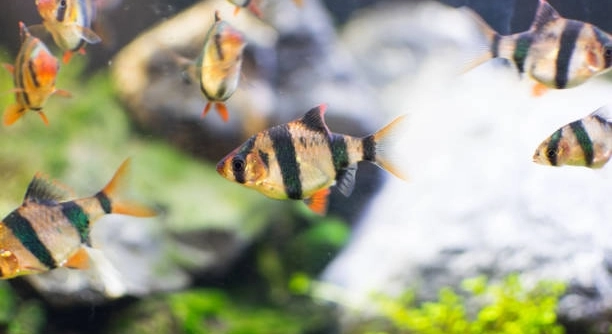
Small tanks might seem like a convenient option for keeping tiger barbs, especially if space is limited. However, these small environments often fail to meet the needs of this active and social fish species. Understanding why size matters is important for their well-being.
Small tanks restrict swimming space and water quality, which are critical for tiger barbs’ health and behavior. Insufficient room causes stress, aggression, and poor water parameters, leading to a shorter lifespan and increased risk of disease in these fish.
Choosing the right tank size can prevent many common problems and help your tiger barbs thrive in a healthier environment.
Limited Swimming Space Causes Stress
Tiger barbs are naturally active swimmers and need plenty of room to move freely. In a small tank, their space is restricted, which can cause stress. When fish are stressed, they become more aggressive and less healthy overall. This can lead to fighting among the tiger barbs, especially since they are known to be a bit nippy. A cramped environment makes it harder for them to establish territories or escape from each other when needed. Stress also weakens their immune systems, making them vulnerable to diseases. It’s important to give tiger barbs enough room to swim comfortably, reducing their stress and supporting better behavior. Even though small tanks might be easier to manage, the limited space can cause more problems than it solves, affecting your fish’s well-being and enjoyment.
Small tanks make tiger barbs aggressive due to limited space and increased stress, which harms their health and social behavior.
Providing ample swimming space helps reduce aggression, supports natural behavior, and promotes a healthier life for tiger barbs.
Poor Water Quality in Small Tanks
Small tanks hold less water, which means toxins like ammonia and nitrites build up faster. Tiger barbs are sensitive to these changes, so water quality deteriorates quickly. Maintaining stable water conditions in a small tank requires very frequent water changes, which can be hard to keep up with. Without proper filtration and regular care, water parameters can become harmful. Poor water quality causes stress, illness, and sometimes death in tiger barbs. Additionally, small tanks heat up faster and cool down quickly, causing unstable temperatures that also affect fish health. Bigger tanks create a more stable environment, making it easier to maintain clean, balanced water conditions that keep tiger barbs healthy and comfortable for longer periods.
Water in small tanks changes quickly, which makes it harder to keep tiger barbs healthy.
A larger tank reduces toxins, stabilizes temperature, and supports better water quality, leading to a safer home for your fish.
Increased Aggression in Small Tanks
Tiger barbs naturally show some level of aggression, but small tanks make this worse. The limited space increases stress and territorial disputes among the fish.
In a small tank, tiger barbs have less room to establish their own territories, which can lead to constant chasing and fin nipping. This behavior can cause injuries and weaken their immune systems. The lack of space also means they cannot escape from aggressive peers, increasing tension in the tank. Over time, this constant stress can reduce their overall lifespan. Larger tanks allow for better separation and reduce these aggressive behaviors, helping fish coexist more peacefully. Keeping enough fish in groups also helps spread aggression evenly, but this is only effective in larger tanks.
Aggression leads to stress and injury, harming tiger barbs’ health and happiness. Giving them more space reduces fighting and promotes a calm environment.
Difficulty Maintaining Stable Water Conditions
Small tanks are harder to keep stable because water parameters change quickly. Temperature and chemical levels can fluctuate dramatically, harming tiger barbs.
Because small tanks hold less water, even minor changes can cause large swings in temperature or water chemistry. This instability stresses the fish and can lead to health issues like weakened immune systems or diseases. Frequent water testing and maintenance are required, which can be overwhelming. Additionally, small tanks heat and cool rapidly, which tiger barbs do not tolerate well. Larger tanks offer a more balanced environment where changes happen slowly, making it easier to keep the fish healthy. For those wanting a low-maintenance setup, bigger tanks are a better option.
Stable water conditions prevent illness and stress. Larger tanks provide a safer environment by reducing sudden changes that harm tiger barbs.
Limited Oxygen Levels
Small tanks often have lower oxygen levels because of their size and surface area. This can make it harder for tiger barbs to breathe properly.
Poor oxygen circulation stresses fish and affects their activity. Proper aeration and tank size help keep oxygen levels sufficient for healthy fish.
Higher Risk of Disease Spread
In small tanks, diseases can spread quickly among tiger barbs. Crowding and poor water quality increase their vulnerability to infections and parasites.
Difficulties with Proper Filtration
Small tanks limit the choice of filtration systems. Many filters may be too weak or create strong currents, both of which can stress tiger barbs.
Less Room for Plants and Decorations
Small tanks restrict space for plants and hiding spots. Without these, tiger barbs can become more stressed and less secure.
FAQ
What is the minimum tank size recommended for tiger barbs?
The minimum tank size for tiger barbs is generally 20 gallons. This size provides enough space for a small group to swim and reduces aggression. Larger tanks are always better because they allow for better water quality and more natural behavior. A group of at least six tiger barbs also needs room to spread out, so a 20-gallon tank or bigger helps keep them healthy and less stressed.
Can tiger barbs live happily in a 10-gallon tank?
A 10-gallon tank is too small for tiger barbs to thrive. Although it may work temporarily, the limited swimming space and water volume quickly lead to stress and poor water quality. This size cannot properly support a group, which tiger barbs need for social balance. Over time, a small tank like this increases aggression and health problems. Moving to a larger tank is essential for their well-being.
How often should I change the water in a small tank with tiger barbs?
Water changes in small tanks must be frequent, often 30-50% every few days, to maintain water quality. This is because toxins build up quickly in less water volume. Without frequent changes, ammonia and nitrite levels rise, causing stress and illness. Larger tanks allow longer intervals between water changes, making maintenance easier. Regular water testing helps determine when changes are necessary.
What filtration system works best for tiger barbs?
A filter that provides gentle but effective water flow is best for tiger barbs. They do not like strong currents, so choosing a filter with adjustable flow is helpful. Canister filters or sponge filters are good options because they keep water clean without stressing the fish. Proper filtration supports water quality, which is critical in preventing diseases and keeping tiger barbs healthy.
Are tiger barbs aggressive toward other fish species?
Tiger barbs can be aggressive, especially in small tanks or when kept in low numbers. They may nip fins of slower or long-finned fish. Keeping them in groups of six or more helps reduce aggression within their own species and lessens attacks on tank mates. Avoiding very peaceful or slow-moving fish is wise when choosing tank companions for tiger barbs.
How many tiger barbs should I keep together?
A group of at least six tiger barbs is recommended. This number allows them to socialize and reduces aggressive behavior by spreading it among more fish. Smaller groups tend to be more aggressive and stressed. In larger tanks, groups of 8 to 10 are even better for their activity and social needs.
Can I keep tiger barbs in a planted tank?
Yes, tiger barbs do well in planted tanks. Plants provide hiding spots that reduce stress and help break up lines of sight to lower aggression. However, tiger barbs may nibble on some soft-leaved plants. Using hardy plants like Java fern or Anubias is a good idea. Plants also help improve water quality, making the tank environment healthier.
What temperature range is best for tiger barbs?
Tiger barbs thrive in water temperatures between 74°F and 79°F (23°C to 26°C). Maintaining stable temperature within this range is important because sudden changes stress them. Small tanks experience quick temperature shifts, so a heater with a thermostat is helpful for keeping conditions steady.
How can I reduce aggression among tiger barbs?
Providing enough space, keeping them in groups of six or more, and adding plants or decorations to create hiding spots are key ways to reduce aggression. Avoid overcrowding or mixing with very passive fish. Proper feeding and good water quality also lower stress and aggressive behavior.
Are tiger barbs suitable for beginners?
Tiger barbs can be suitable for beginners with proper care. They need enough space, stable water conditions, and group companionship. Their activity and hardiness make them rewarding fish, but small tanks make caring for them more challenging. Beginners should choose tanks at least 20 gallons and learn about water maintenance before getting tiger barbs.
What signs indicate stress in tiger barbs?
Signs of stress include fin nipping, hiding more than usual, loss of appetite, and dull coloration. Aggressive chasing or rapid breathing are also common. Stress often results from poor water quality, overcrowding, or lack of space. Addressing these causes quickly helps fish recover.
How long do tiger barbs usually live?
With proper care and a suitable environment, tiger barbs live around 5 to 7 years. Their lifespan shortens in small, poorly maintained tanks due to stress and disease. Providing a spacious tank with good water quality helps maximize their health and longevity.
Small tanks may seem like an easy choice for keeping tiger barbs, especially if space is limited or you want a simple setup. However, these tanks do not provide enough room for tiger barbs to swim freely and behave naturally. Tiger barbs are active and social fish that need space to move, hide, and interact with each other. When confined to a small tank, they often become stressed, aggressive, and prone to health problems. Choosing the right tank size is an important step to ensuring their well-being and enjoyment.
Water quality is another key concern with small tanks. Because small tanks hold less water, toxins like ammonia and nitrites can build up quickly, even with regular maintenance. These poor water conditions cause stress and illness in tiger barbs. It takes a lot of effort to keep water clean and stable in a small tank. Larger tanks help reduce the frequency of water changes needed and create a more stable environment. This stability keeps tiger barbs healthier for longer and makes tank care easier and less stressful for the owner.
In summary, small tanks limit the natural behavior and health of tiger barbs. These fish thrive best in tanks that give them room to swim, stable water conditions, and a chance to live peacefully in groups. While it may seem convenient, small tanks often cause more problems than benefits. Providing a larger tank is the best way to support your tiger barbs’ long-term health and happiness. Taking the time and space to meet their needs results in a more rewarding experience for both you and your fish.

Hello,
If you enjoy the content that we create, please consider saying a "Thank You!" by leaving a tip.
Every little bit helps us continue crafting quality advice that supports the health, happiness, and well-being of pets around the world, for pets of all shapes, sizes, and species.
We really appreciate the kindness and support that you show us!