
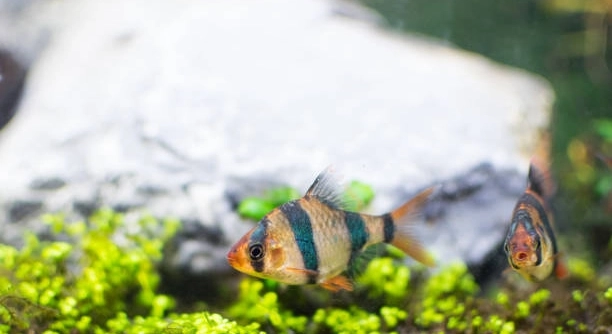
Tiger Barbs are popular aquarium fish admired for their bright, eye-catching colors. Their vibrant appearance adds life and movement to any tank, making them a favorite among hobbyists and beginners alike. These fish bring a splash of energy wherever they swim.
The vibrant colors of Tiger Barbs result from a combination of genetics, diet, and environmental factors. Their pigmentation comes from specialized cells called chromatophores, which reflect light and create vivid hues. Proper nutrition and clean water further enhance their natural coloration.
Understanding what influences their color helps in maintaining healthy and colorful Tiger Barbs. This knowledge ensures these lively fish continue to brighten your aquarium beautifully.
Genetics Behind Tiger Barbs’ Colors
Tiger Barbs’ colors come mostly from their genes. These fish have cells called chromatophores that hold pigments in red, yellow, and black shades. The pattern of stripes and colors depends on how these cells develop and arrange themselves during growth. Some fish have brighter stripes, while others have more muted tones. Selective breeding has enhanced these colors over time, making some Tiger Barbs more vibrant than their wild counterparts. The stripes also help them blend into their natural habitat and communicate with other fish.
Genetics set the base for how colorful a Tiger Barb can be, but it is not the only factor.
Good genes need support from a healthy environment to shine fully. Understanding how genetics work helps keep your fish looking their best and can guide breeding choices for brighter, healthier fish. It is one piece of the color puzzle.
Diet and Its Impact on Color
A Tiger Barb’s diet directly affects its color brightness.
Feeding a balanced diet rich in carotenoids and proteins promotes vivid colors. Foods like brine shrimp, bloodworms, and specially formulated pellets help maintain their pigmentation. Poor diet can cause fading or dullness. Supplements can also boost color, but fresh, natural food is key. Consistent feeding schedules support overall health, which reflects in their appearance. Overfeeding can harm water quality, affecting the fish’s color negatively. Fresh vegetables like spinach or peas provide important nutrients too. The right diet supports the energy and vibrancy these fish need to display their best colors in your aquarium.
Environmental Factors Influencing Color
Water quality greatly impacts Tiger Barbs’ coloration. Clean, well-filtered water helps maintain their brightness. Poor water conditions cause stress, leading to dull colors and weaker immune systems.
Stable temperature and proper lighting also affect how colors appear. These fish thrive in temperatures between 74°F and 79°F. Consistent lighting helps chromatophores reflect light better, making colors pop. Sudden changes in environment can cause temporary fading as fish adjust.
Maintaining a balanced environment with regular water changes and stable conditions ensures your Tiger Barbs remain vibrant and healthy over time.
Stress and Its Effect on Color
Stress causes Tiger Barbs’ colors to fade quickly. Factors such as overcrowding, aggressive tank mates, or poor water quality increase stress levels. Stressed fish lose their natural glow and may become more susceptible to disease.
Creating a calm environment reduces stress. Provide plenty of hiding spots and avoid sudden changes in tank setup. Keep compatible species together to prevent aggression. Monitoring water parameters regularly also helps maintain stability. When fish feel safe and comfortable, their colors naturally become more vibrant. Reducing stress improves both their health and appearance in your aquarium.
Lighting Conditions
Proper lighting enhances the colors of Tiger Barbs by allowing their chromatophores to reflect light effectively. Natural or full-spectrum aquarium lights work best to show their true hues.
Too much direct light can cause stress and color fading, while too little light dulls their appearance. Balance is essential for vibrant colors.
Tank Setup and Decorations
A well-decorated tank with plants and hiding places helps Tiger Barbs feel secure. Natural surroundings mimic their habitat and reduce stress, which supports better coloration.
Bright backgrounds can enhance contrast, making their stripes stand out more clearly in the tank environment.
Breeding and Color Variations
Selective breeding produces different color patterns in Tiger Barbs. Varieties like albino or golden Tiger Barbs show how genetics can create unique looks beyond the wild type. Breeders focus on enhancing brightness and stripe clarity.
Water Temperature Stability
Maintaining steady water temperature within the recommended range prevents stress and supports consistent coloration in Tiger Barbs. Sudden temperature shifts can cause temporary color loss.
FAQ
Why are my Tiger Barbs’ colors fading?
Fading colors often point to stress or poor water quality. Overcrowding, aggressive tank mates, or infrequent water changes can cause this. Make sure your tank is clean, water parameters are stable, and that your fish have enough space to swim comfortably. A balanced diet also plays a role in keeping colors bright.
How can I improve the color of my Tiger Barbs?
Improving color starts with good care. Feed them foods rich in carotenoids like brine shrimp and bloodworms. Maintain clean water with regular changes and keep the temperature steady between 74°F and 79°F. Use proper lighting that isn’t too harsh or too dim. Reducing stress by providing hiding spots and compatible tank mates helps too.
Do Tiger Barbs change color with age?
Yes, Tiger Barbs’ colors can change as they grow. Juveniles tend to have duller colors that brighten as they mature. Older fish may lose some vibrancy due to natural aging or poor conditions. Keeping a healthy environment slows down this fading process.
Can diet alone make Tiger Barbs more colorful?
Diet significantly impacts their coloration but isn’t the only factor. A nutritious diet rich in pigments helps maintain bright colors, but water quality, genetics, and environment also matter. Without good care and proper tank conditions, diet alone won’t keep colors vibrant.
Is breeding necessary for more colorful Tiger Barbs?
Selective breeding can produce more intense colors and unique patterns, but it’s not required for keeping vibrant fish. Many healthy, well-cared-for Tiger Barbs from standard strains display bright colors naturally. Breeding mostly benefits those wanting specific color variations.
How often should I change the water for vibrant colors?
Regular water changes are essential. Changing 20-30% of the tank water weekly keeps the environment stable and stress low. Clean water allows Tiger Barbs to show their best colors and supports overall health.
Can lighting cause color changes?
Yes, lighting directly affects how vibrant Tiger Barbs appear. Full-spectrum or natural white lights show colors best. Too bright or harsh lighting can stress fish and dull colors. Too little light also makes colors look muted. Finding the right balance enhances their natural beauty.
Do tank decorations affect coloration?
Tank decorations can influence how bright Tiger Barbs look. Dark backgrounds and natural plants create contrast that highlights their stripes and colors. Providing hiding spots reduces stress, helping colors stay bright. Plain or overly bright setups may cause colors to seem less intense.
What role does stress play in color loss?
Stress is a major cause of color loss in Tiger Barbs. It can come from poor water conditions, aggressive tank mates, or sudden changes. When stressed, fish often lose color as their body focuses on survival. Minimizing stress with a stable environment and peaceful tank mates helps maintain bright colors.
Can illness affect Tiger Barb colors?
Yes, sickness often dulls colors. Ill fish usually have faded or patchy coloring because their energy goes toward fighting infection. If your fish’s colors drop suddenly, check for signs of disease and treat promptly to restore their health and vibrancy.
How do genetics affect color intensity?
Genetics determine the base color and stripe patterns of Tiger Barbs. Some fish naturally have brighter colors due to inherited traits. While care and environment improve color expression, genetics set the foundation for how vivid the colors can be.
Are there specific foods that enhance Tiger Barb colors?
Foods rich in carotenoids like krill, shrimp, and spirulina promote bright red and orange pigments. High-protein diets also support overall health and color intensity. Offering a variety of fresh, high-quality foods ensures your Tiger Barbs get the nutrients they need for vibrant colors.
Does tank size influence coloration?
A properly sized tank reduces stress, which in turn helps maintain color. Overcrowded tanks increase aggression and stress, causing color fading. Giving Tiger Barbs enough space to swim freely and establish territory supports brighter, healthier fish.
Can sudden changes in environment affect color?
Sudden changes such as temperature shifts, new tank mates, or rearranging decorations can stress Tiger Barbs and cause temporary color loss. Keeping changes gradual allows fish to adjust without losing their natural vibrancy.
Is it normal for Tiger Barbs to lose color during breeding?
Yes, during spawning, Tiger Barbs often become less colorful. This is a natural response as energy focuses on reproduction. Their colors usually return to normal after breeding is complete and they recover.
How long does it take for colors to improve after care changes?
Color improvement varies but often takes several weeks with consistent care. Proper diet, clean water, and low stress conditions gradually restore brightness. Patience is key, as fish need time to recover and express their full colors naturally.
Tiger Barbs are known for their bright, attractive colors that bring energy to any aquarium. Their vibrant appearance is not just a matter of luck but the result of several important factors working together. Genetics provide the foundation for their colors, but diet, environment, and care all play significant roles in how bright and healthy these fish appear. Paying attention to these areas ensures your Tiger Barbs look their best and live a healthy life.
Maintaining clean water and stable tank conditions is essential. Stress from poor water quality, aggressive tank mates, or sudden changes can cause colors to fade quickly. Providing a balanced diet rich in natural pigments helps support their coloration from the inside out. Lighting also plays a key role, as the right type and amount of light allow their natural colors to shine. Additionally, having a well-decorated tank with places to hide reduces stress and creates an environment that supports their overall well-being.
It is important to remember that keeping Tiger Barbs vibrant is a continuous process. Regular care, including feeding, water changes, and monitoring tank conditions, helps maintain their colors over time. While genetics set the base for their appearance, good care enhances what nature has given them. Watching your Tiger Barbs grow more colorful with proper care can be rewarding, adding beauty and life to your aquarium. Focusing on these factors creates a healthy home for your fish, where their natural vibrancy can truly shine.

Hello,
If you enjoy the content that we create, please consider saying a "Thank You!" by leaving a tip.
Every little bit helps us continue crafting quality advice that supports the health, happiness, and well-being of pets around the world, for pets of all shapes, sizes, and species.
We really appreciate the kindness and support that you show us!