
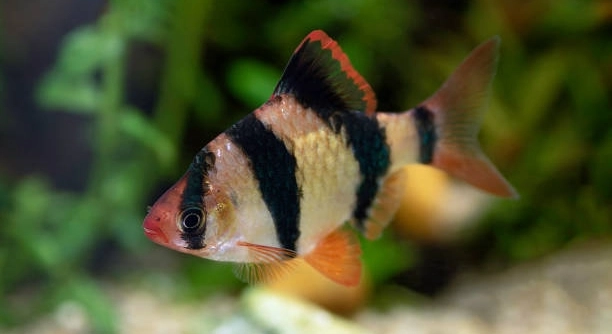
Are your tiger barbs showing signs of poor appetite, erratic behavior, or dull colors despite your best feeding efforts? Understanding their dietary needs is key to keeping them healthy and vibrant in your aquarium.
Feeding tiger barbs properly involves offering a varied diet that includes high-quality flakes, live or frozen protein sources, and occasional plant matter. This approach supports their immune system, encourages natural behavior, and maintains their vibrant coloration and overall vitality.
Balanced nutrition plays a big role in how your tiger barbs thrive, and these tips will help you provide exactly what they need.
Offer a Balanced Diet
Tiger barbs need a mix of nutrients to stay healthy and active. A balanced diet includes high-quality flakes, live or frozen protein sources like brine shrimp or bloodworms, and some vegetable content. Their bodies thrive when they receive both animal and plant-based food. Avoid over-relying on just one type of food. Rotate their diet throughout the week to ensure variety and nutritional balance. Feeding them the same thing every day can lead to deficiencies and boredom. It’s also important to choose food that fits their small mouths to prevent choking or leftover waste. By meeting their dietary needs, you can help them stay colorful, energetic, and resistant to illness. Healthy tiger barbs will display bright coloration, smooth swimming, and a strong appetite. Feeding them with care doesn’t have to be complicated, just consistent. Make small changes over time and pay attention to how they respond to different food types.
Feeding tiger barbs a variety of food helps maintain strong immunity and vibrant colors. It also encourages natural behaviors like foraging and reduces food-related aggression in the tank.
When you keep their meals balanced, your tiger barbs become more active, and their coloring improves. Small additions like spinach or daphnia can make a noticeable difference.
Feed Small Portions Twice a Day
Feeding small amounts twice daily is the easiest way to avoid overeating and water pollution. Tiger barbs tend to eat quickly, so keep portions limited to what they can finish in a few minutes.
Overfeeding is one of the most common mistakes new fish keepers make. Uneaten food quickly breaks down and releases toxins into the water, harming fish health and filter performance. Tiger barbs are fast eaters and may seem hungry all the time, but that doesn’t mean they need more food. Feed them once in the morning and once in the evening using small pinches. Watch closely—if there’s food still floating after two minutes, you’ve fed too much. Stick to a routine and adjust based on the number of fish in your tank. This schedule also helps regulate their metabolism and supports better digestion. Keeping portions small ensures you don’t overload your filter or stress your fish. Regular, controlled feeding is better than one large feeding.
Remove Uneaten Food After Feeding
Leftover food should be removed within a few minutes after feeding. Letting it sit in the tank will cause ammonia spikes, cloudy water, and increased algae growth. Use a net or siphon to take it out before it breaks down.
Uneaten food begins to decompose quickly in aquarium water. As it breaks down, it releases waste into the tank that can stress or even harm your tiger barbs. This affects the water quality and increases the need for more frequent cleaning. If you notice that food is regularly being left behind, try reducing the portion size slightly. Removing extra food right away helps maintain a healthier environment for your fish and reduces the chances of illness. Keep an eye on feeding behavior. If certain foods are always ignored, switch brands or try a different type. Only keep food in the tank that your tiger barbs actively eat.
It’s easy to miss small flakes or bits in a busy tank, but those tiny pieces add up fast. They settle at the bottom, attracting harmful bacteria and producing waste. Using a gravel vacuum or small net right after feeding helps you avoid bigger problems. It also keeps the water cleaner and reduces unpleasant odors. This quick step supports better tank health overall.
Choose High-Quality Fish Food
Cheap fish food often contains fillers that lack real nutritional value. Look for brands that list whole fish, shrimp, or spirulina as main ingredients. Avoid foods that use wheat or soy as the first ingredients.
Quality food keeps tiger barbs healthier and more vibrant. It provides the protein, fats, and nutrients they need to grow and thrive. Flake food can be part of their diet, but it shouldn’t be the only thing they eat. High-quality flakes or pellets sink more slowly, giving all fish time to eat. Avoid generic bulk foods, as they break apart too easily and make the water dirty. Try adding frozen or freeze-dried food a few times a week to vary their meals. These options have better nutrition and are closer to what tiger barbs would eat in nature. When you feed better food, you see the difference in energy, color, and fewer health issues. Pay attention to ingredient labels and expiration dates to ensure freshness.
Avoid Overfeeding on Treat Days
Treats like bloodworms or brine shrimp are great additions, but they should be given in moderation. Offer them only 2–3 times a week and in small amounts to avoid bloating, water pollution, and unnecessary weight gain.
Stick to the same portion sizes on treat days as you do with regular meals. Overfeeding treats can lead to digestive problems and more tank maintenance. Keep them occasional and controlled so your tiger barbs stay healthy and active without disrupting their usual feeding balance.
Observe Behavior During Feeding
Watch how your tiger barbs act while eating. Healthy fish will quickly swim to the food, showing interest and energy. If they ignore food, appear sluggish, or only a few eat, it could signal stress or illness. Aggressive behavior during meals may mean you’re underfeeding or need to feed in separate areas. Regular observation helps catch issues early. It also helps you adjust food types or feeding schedules to better fit their needs. Knowing what’s normal for your fish will guide you in making small, helpful changes to keep the feeding routine smooth and effective.
Keep a Consistent Feeding Schedule
Feeding tiger barbs at the same times each day builds routine and reduces stress. It also helps with digestion and keeps their activity levels stable.
FAQ
How much should I feed my tiger barbs each day?
Feeding tiger barbs a small portion they can consume within 2–3 minutes is ideal. Usually, this means offering about a pinch of flakes or pellets twice a day. Overfeeding can cause water quality issues and health problems, so less is more when it comes to daily feeding amounts.
Can tiger barbs eat only flakes or pellets?
While high-quality flakes or pellets can form the base of their diet, tiger barbs benefit from variety. Supplementing with live or frozen foods like bloodworms, brine shrimp, or daphnia helps meet their protein needs and encourages natural foraging behavior. Adding some vegetable matter keeps their digestion healthy.
Is it necessary to feed tiger barbs plant-based foods?
Yes, including plant-based foods supports digestion and provides important vitamins. You can offer blanched spinach, zucchini, or spirulina flakes. Tiger barbs are omnivores, so a balanced diet with both animal and plant components ensures better overall health.
What happens if I overfeed my tiger barbs?
Overfeeding can lead to bloating, poor water quality, and increased waste in the tank. Uneaten food decomposes, producing harmful ammonia and nitrites that stress your fish and may cause illness. It also encourages algae growth and puts extra strain on your filter system.
How often should I feed treats like bloodworms or brine shrimp?
Treats should be given no more than 2–3 times per week in small amounts. These protein-rich foods add variety and nutrition but can upset the balance if offered too often. Treats are supplements, not meal replacements.
Can feeding times affect tiger barb behavior?
Yes, regular feeding times help reduce stress and aggression by establishing a routine. Feeding at consistent times daily also helps with digestion and metabolism, leading to healthier fish overall.
Should I remove uneaten food after feeding?
Removing leftover food within a few minutes after feeding is important. It prevents water contamination and keeps the tank environment stable. Use a small net or siphon to remove any uneaten bits quickly.
Is live food better than frozen or freeze-dried?
Live food is often more stimulating and natural for tiger barbs, but frozen and freeze-dried options are convenient and nutritious if prepared properly. Both types can be used to diversify their diet and promote good health.
How can I tell if my tiger barbs are getting enough food?
Healthy tiger barbs will be active, brightly colored, and eagerly eat during feeding times. They should not appear bloated or lethargic. If they compete aggressively or nip each other, they may need more frequent or distributed feeding.
What type of fish food should I avoid?
Avoid cheap foods with fillers like wheat or corn as primary ingredients. These provide little nutrition and degrade water quality quickly. Also, avoid oversized pellets that tiger barbs cannot eat easily. Stick to reputable brands with clear ingredient lists.
Can I feed my tiger barbs human food?
It’s best not to feed human food to tiger barbs. Many items can upset their digestive system or pollute the tank. Stick to fish-safe foods formulated for their nutritional needs to keep them healthy and thriving.
How do feeding habits change with tank size or fish number?
More fish or a larger tank may require adjusting portion sizes and feeding frequency. Always feed according to how much your fish can consume quickly and monitor water quality closely. Overfeeding becomes more of a risk with bigger groups.
Is it okay to skip a feeding occasionally?
Occasionally missing one feeding is usually not harmful and may even benefit the fish by allowing their digestive system to rest. However, maintaining a consistent feeding schedule is better for long-term health.
Can feeding practices help prevent diseases?
Yes, a balanced diet and controlled feeding reduce stress and strengthen the immune system. Proper feeding lowers the risk of common diseases linked to poor nutrition or water quality problems caused by uneaten food.
How do I know when to adjust the feeding amount?
Adjust feeding if you see leftover food after a meal or if your tiger barbs show signs of weight gain or sluggishness. Also, change portions when adding or removing fish from the tank to maintain balance.
Are there signs of malnutrition in tiger barbs?
Signs include faded colors, slow swimming, loss of appetite, and weight loss. These symptoms indicate the diet may lack essential nutrients or that feeding frequency needs review. Prompt action helps prevent long-term health issues.
This FAQ covers common concerns to help you feed your tiger barbs confidently and maintain a healthy aquarium environment. Proper feeding leads to happier, livelier fish that thrive in your care.
Feeding tiger barbs properly is an important part of keeping them healthy and vibrant. A balanced diet that includes a variety of foods helps meet their nutritional needs and supports their natural behavior. By offering high-quality flakes or pellets along with occasional live or frozen protein sources and some vegetable matter, you provide the nutrients necessary for growth, energy, and color. Avoiding overfeeding and sticking to small portions twice a day prevents many common problems like bloating, poor water quality, and stress. Paying attention to their eating habits and behavior during feeding times also helps you notice any health issues early.
Maintaining clean water is just as important as feeding the right foods. Removing uneaten food promptly prevents harmful waste buildup that can stress or harm your fish. Uneaten food breaks down quickly and increases ammonia levels, which are dangerous to tiger barbs and other aquarium inhabitants. Regular tank maintenance, including partial water changes and filter cleaning, complements a proper feeding routine and creates a stable environment. When your tank stays clean and the fish receive appropriate nutrition, they are more likely to display vibrant colors and energetic behavior.
Consistency and observation are key to successful feeding. Feeding your tiger barbs at the same times each day builds a healthy routine and reduces stress for the fish. Watching how they eat and behave helps you adjust food types and amounts to suit their needs. If you notice any changes in appetite or activity, it’s important to act quickly by reviewing feeding practices or checking water quality. With attention and care, feeding tiger barbs can be straightforward and rewarding, helping your fish live longer and happier lives in your aquarium.

Hello,
If you enjoy the content that we create, please consider saying a "Thank You!" by leaving a tip.
Every little bit helps us continue crafting quality advice that supports the health, happiness, and well-being of pets around the world, for pets of all shapes, sizes, and species.
We really appreciate the kindness and support that you show us!