
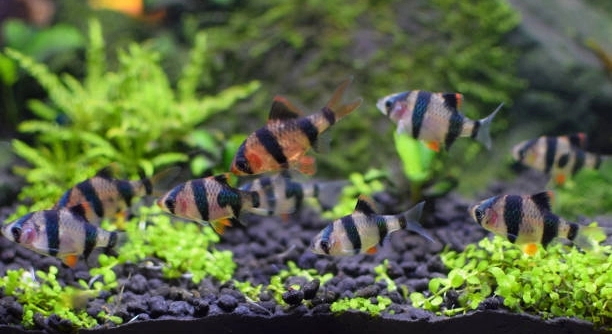
Are your young tiger barbs acting a little different than you expected? These lively little fish often surprise first-time owners with their bold energy and playful behavior, especially during their early stages of life.
Young tiger barbs are typically active, fast swimmers that thrive in groups. During this stage, they may show schooling behavior, occasional chasing, and rapid growth when given proper care, a balanced diet, and clean water conditions.
Learning more about their behavior will help you understand their needs and keep them healthy as they grow.
How Young Tiger Barbs Behave in Their Early Weeks
Young tiger barbs are naturally curious and active from the start. You’ll often see them swimming quickly across the tank, chasing each other, and exploring new areas. They tend to stick close to their group, which helps them feel safe. This schooling behavior is important at this age. If they are kept alone or in small numbers, they can become stressed or aggressive. It’s best to keep at least six together to encourage better behavior. They also enjoy hiding spots and plants, which give them a sense of security. Their color may appear duller at first, but it becomes brighter as they grow. These early weeks are a time of growth and adjustment, so they need clean water, proper feeding, and a peaceful environment to thrive.
At this stage, they may also show short bursts of aggression, especially while establishing a pecking order in the group.
Keep an eye out for nipping, as it’s common while they test boundaries. Adding tank decorations can help reduce tension and redirect their energy.
What to Feed and How Often
Feeding young tiger barbs small, frequent meals helps support their rapid growth and energy levels during this early stage.
Choose a mix of high-quality flake food, crushed pellets, and frozen or live foods like baby brine shrimp. This variety helps them get balanced nutrition. Feed them two to three times a day, but only what they can finish in about two minutes. Overfeeding can cause water quality issues, which will affect their health. It’s important to clean out any leftover food soon after each feeding. You’ll also notice their feeding behavior is quick and competitive. This is normal, especially in a group setting. If some seem to miss out, you can try spreading food across different areas of the tank. Watch their color and activity levels to see if they’re eating enough and growing steadily. Consistency in feeding and water changes will help them stay active and healthy as they mature.
How to Keep Their Tank Comfortable
Young tiger barbs need stable water temperatures between 74°F and 79°F. They also prefer a gentle filter flow, since strong currents can stress them out. Use a heater and thermometer to help maintain steady conditions.
Add plants, rocks, or driftwood to provide hiding spots and reduce stress. A soft substrate like sand or fine gravel works best for their delicate fins. Make sure there’s enough swimming space in the middle of the tank, as that’s where they spend most of their time. Lighting should be moderate—too bright, and they may hide more than usual. Avoid sudden changes in water temperature or pH, as young fish are more sensitive to fluctuations. Weekly water changes of about 25% will help keep the tank clean. Test the water regularly to check ammonia, nitrite, and nitrate levels. A well-set tank makes a big difference in their health and overall behavior.
Tiger barbs are active swimmers and get bored if the tank lacks variety. Adding safe decorations or rearranging plants occasionally gives them something new to explore. Just be sure the items are smooth and free of sharp edges. A slightly larger tank, around 20 gallons or more, offers more comfort as they grow. This also helps reduce stress and lowers the chances of aggressive behavior. Keeping a consistent care routine makes your tank more stable, which your young barbs will respond to with better color, energy, and growth. If your tank stays clean and well-organized, you’ll likely notice fewer health issues and more balanced behavior from the group.
How Fast They Grow
Tiger barbs grow quickly during their first few months. With proper food and clean water, they can reach about one inch in just a few weeks. Full adult size, around two to three inches, is usually reached by six months.
Their color also becomes brighter as they mature. A healthy diet with some natural proteins helps speed up development. You might notice growth slowing down if the water quality drops or if they aren’t getting enough food.
Signs They’re Not Doing Well
Lethargy, pale color, or clamped fins often mean something’s wrong. Poor water conditions or an unbalanced diet are common reasons. Frequent hiding or heavy breathing can also signal stress or illness. Early signs are easier to manage if caught quickly.
When to Separate Aggressive Ones
If one fish becomes too aggressive and constantly chases or nips others, it may need to be separated temporarily. Use a divider or a separate tank to give the group a break.
How many tiger barbs should I keep together?
Tiger barbs are schooling fish and feel safer in groups. It’s best to keep at least six or more young tiger barbs together. Smaller groups often lead to stress and aggression because they don’t have enough companions to spread out their social energy. A larger group helps balance their behavior and reduces bullying. When kept in groups, they tend to swim in coordinated patterns and feel more secure.
What kind of tank setup do young tiger barbs need?
Young tiger barbs prefer a tank with plenty of swimming space and hiding spots. A tank size of at least 20 gallons is ideal for a small group. Use soft gravel or sand as substrate to protect their fins. Add live or artificial plants, rocks, and driftwood to create shelter and break lines of sight. A gentle filter flow and stable temperature between 74°F and 79°F help keep them comfortable. Regular water changes and water quality checks are essential to maintain a healthy environment.
What should I feed young tiger barbs?
A varied diet works best for young tiger barbs. Feed them high-quality flakes or pellets designed for tropical fish. Supplement their diet with live or frozen foods like baby brine shrimp, daphnia, or bloodworms. Feeding small amounts two to three times daily encourages healthy growth. Avoid overfeeding to prevent water pollution. Watch their behavior during feeding to ensure all fish get food, and spread out the feeding spots if some seem to be missing out.
How often should I change the water?
Changing about 25% of the tank water weekly is recommended. This helps remove waste and keeps nitrate levels low. Frequent partial water changes support the fish’s health and reduce stress. Always use treated, dechlorinated water at the same temperature as the tank. Sudden changes in water quality or temperature can harm young tiger barbs. Testing water regularly for ammonia, nitrites, and nitrates ensures a safe environment.
What signs show young tiger barbs are stressed?
Stress signs include hiding often, faded color, clamped fins, and sluggish movement. Fish may also breathe rapidly or lose appetite. Stress can come from poor water conditions, overcrowding, or aggressive tank mates. Early detection helps prevent illness. Adjusting water parameters, improving tank conditions, or separating aggressive fish can reduce stress and improve their wellbeing.
Can tiger barbs live with other fish?
Tiger barbs can live with other peaceful, medium-sized fish. Avoid slow-moving, long-finned species because tiger barbs sometimes nip fins, especially when young. Suitable tank mates include danios, barbs of similar size, and some larger tetras. Always watch for signs of aggression and be ready to separate fish if needed. Maintaining enough space and hiding spots helps peaceful cohabitation.
How long do young tiger barbs take to mature?
Young tiger barbs typically mature around six months. By then, they reach their adult size and full coloration. Proper diet and clean water help speed healthy growth. During this time, their behavior also changes as they become more confident and less prone to stress. Watching their development helps ensure they stay healthy and thrive in the tank.
What health problems should I watch for?
Common health issues include fin rot, ich, and swim bladder problems. These often come from poor water quality or stress. Symptoms include torn fins, white spots, or difficulty swimming. Prompt treatment and improved tank conditions can help recovery. Quarantining new fish before adding them to the tank also prevents disease spread.
Is it normal for tiger barbs to nip fins?
Yes, fin nipping is common with tiger barbs, especially when young or stressed. It is part of their natural behavior to establish hierarchy. Keeping them in groups of six or more reduces excessive nipping. Providing hiding spots and distractions helps minimize this behavior. If nipping becomes severe, separating aggressive individuals can protect others from injury.
How do I know if my young tiger barbs are getting enough food?
Healthy young tiger barbs are active and show bright colors. They quickly swim to feed but don’t overeat. If some fish stay thin or shy away from food, try feeding smaller amounts more often or spreading food across different tank areas. Regularly observing their body condition and growth gives clues about diet adequacy.
Young tiger barbs are lively and interesting fish to care for. They grow fast and have playful behavior that makes watching them enjoyable. However, their energy means they need a proper environment to thrive. A well-maintained tank with clean water, stable temperature, and enough space will help them stay healthy. Feeding them a balanced diet several times a day supports their growth and bright colors. Taking time to understand their needs ensures they live a happy, healthy life.
It’s important to remember that tiger barbs are social fish. Keeping them in groups of six or more reduces aggression and stress. They enjoy swimming together and feel safer in numbers. When you provide hiding spots and plants, they have places to rest and escape if needed. This helps prevent excessive chasing and fin nipping, which can happen when fish feel crowded or uneasy. Regular water changes and monitoring water quality keep the tank environment safe for them to grow strong.
Caring for young tiger barbs requires attention and patience, but it is rewarding. Watching them grow and develop their full colors shows that your care is working. Small changes in the tank setup, feeding routine, or group size can make a big difference in their behavior and health. If you notice signs of stress or illness, addressing problems early is key. Overall, providing a stable home with proper care will help your tiger barbs thrive and bring enjoyment to your aquarium.

Hello,
If you enjoy the content that we create, please consider saying a "Thank You!" by leaving a tip.
Every little bit helps us continue crafting quality advice that supports the health, happiness, and well-being of pets around the world, for pets of all shapes, sizes, and species.
We really appreciate the kindness and support that you show us!