
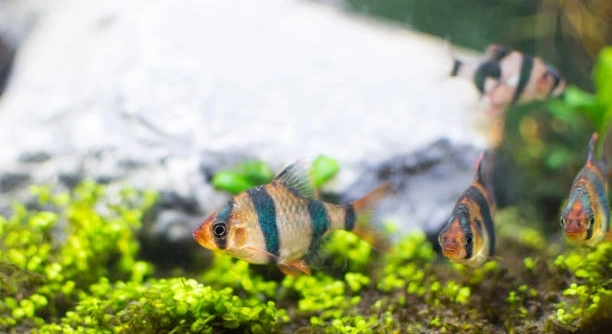
Are your tiger barbs acting strange, swimming erratically, or hiding more than usual? These small changes can sometimes point to something bigger in their tank or routine. Noticing odd behavior early can really help.
The most common reasons tiger barbs act weird are stress, poor water quality, illness, or problems with tank mates. Addressing these issues quickly is important to keep them healthy and prevent long-term harm to the group.
Understanding these common triggers can help you create a safer, more stable home for your tiger barbs going forward.
Check the Water Quality First
Poor water conditions are one of the most common reasons tiger barbs start acting off. Ammonia spikes, nitrite presence, or high nitrate levels can lead to stress or illness. Even slight changes in pH or temperature can affect them. Test your tank water regularly, at least once a week, using a reliable water testing kit. Keep the temperature between 74–79°F and the pH around 6.5–7.0. If levels are off, do a partial water change of 25–30%. Make sure your filter is working properly and clean it as recommended. Avoid overfeeding, as leftover food breaks down and adds waste. A clean, stable environment goes a long way toward keeping your tiger barbs healthy and calm.
Test strips are quick, but liquid test kits give better accuracy. Always dechlorinate new water before adding it to the tank to prevent any shock or stress.
Stable water conditions help tiger barbs feel safe, reduce odd behavior, and support their overall health.
Watch for Aggression From Tank Mates
Tiger barbs are active and sometimes nip fins, especially if they’re stressed or bored. But they can also become targets if the tank isn’t set up properly.
Make sure your tank is large enough—at least 20 gallons for a small group, but 30 or more is better. Tiger barbs are schooling fish, so they need to be kept in groups of at least six to feel secure and spread out aggression. Fewer fish can lead to bullying or constant chasing. If they’re kept with slow or long-finned species like angelfish or bettas, they might nip or be nipped back. Choose tank mates that match their energy, like danios, rasboras, or other barbs. Add hiding spots with plants, driftwood, or decorations to give everyone space. Rearranging decor can also break up established territories if aggression is getting worse. Keeping the group size right and choosing good companions can prevent a lot of stress and odd behavior.
Look for Signs of Illness
Strange swimming, loss of appetite, or faded colors can point to illness. Keep an eye out for white spots, clamped fins, or rapid gill movement. These are signs something might be wrong, and quick action can help prevent it from spreading.
If you notice these symptoms, isolate the sick fish if possible and treat the tank. Ich (white spot disease), fin rot, and swim bladder issues are common in tiger barbs. Medications are available at most pet stores, but always follow the dosage closely. Remove carbon from your filter before adding treatments, as it can absorb the medication. It’s also helpful to raise the water temperature slightly to speed up recovery—just do it gradually. Avoid feeding too much during treatment and clean the tank more often. A bit of extra care during this time can make a big difference in their recovery.
After treatment, monitor your fish for at least a week. Make sure they’re swimming normally and eating again. If symptoms return, test the water again and double-check the treatment plan. Sometimes a second round is needed. Stick to a simple routine: feed on time, keep the water clean, and don’t skip test days. This will support their recovery and help prevent future problems.
Check for Boredom or Lack of Stimulation
Tiger barbs are energetic and need things to do. A plain tank with no plants or decorations can leave them bored. This sometimes shows up as glass surfing, erratic swimming, or chasing each other too much, even if the group is the right size.
Add variety to their space with real or fake plants, caves, or driftwood. Changing the layout once in a while can make things more interesting for them. Try feeding in different ways too—like using floating rings, sinking pellets, or occasional live food to encourage natural hunting behavior. Some owners also add air stones to create bubbles and movement, which tiger barbs seem to enjoy. Avoid sudden changes, but a little bit of variety goes a long way. Bored fish often act out or look stressed, and small updates to their tank can help them feel more active and secure without causing unnecessary disruption.
Recheck the Group Size
Tiger barbs feel more secure in groups of six or more. Smaller groups can make them nervous or aggressive. A stressed or lonely barb might start pacing, hiding, or acting restless around tank mates—even if the water and tank setup are fine.
If you notice these behaviors, consider adding a few more tiger barbs. The right group size helps spread out aggression and builds a more natural social structure. Avoid adding just one—add two or more at the same time to reduce stress and help them adjust better.
Review Recent Changes
Any changes to their tank—like new fish, decor, or a different feeding schedule—can throw tiger barbs off. They may need a few days to adjust. Stick to a routine and monitor them closely during this time. If things don’t improve, go back and undo the most recent change.
Make Sure the Filter Is Working Right
A weak or dirty filter can cause water problems fast. Check that it’s running well and isn’t clogged. Clean or replace filter media as needed, but avoid washing it with tap water, which removes helpful bacteria.
FAQ
Why is my tiger barb swimming alone away from the group?
Tiger barbs are schooling fish and usually stay in groups. If one is swimming alone, it could be stressed, sick, or being bullied. Check for signs of illness like clamped fins, white spots, or labored breathing. Also, make sure your group size is large enough—at least six barbs. Smaller groups often lead to stress and social problems. It’s also helpful to observe how the other fish are acting. If they’re chasing or nipping the lone barb, consider rearranging the tank decor or adding more hiding spots to break aggressive patterns.
What should I do if my tiger barbs are fighting a lot?
Mild chasing and nipping is normal for tiger barbs, especially when they’re sorting out their social roles. But if the fighting becomes frequent or causes injuries, you may need to make changes. First, make sure you have a group of at least six. Fewer than that can increase aggression. Next, check your tank size—crowded conditions can make things worse. Add more plants or decorations to help break sightlines and give each fish a space to retreat. Sometimes, feeding more frequently (but not overfeeding) can reduce tension. Choose tank mates carefully and avoid pairing them with slow or long-finned species.
Why do tiger barbs sometimes stop eating?
A sudden loss of appetite can happen due to stress, poor water conditions, or illness. Start by testing your water parameters—ammonia or nitrite spikes are often the cause. If the water is fine, look for signs of sickness, such as changes in color, odd swimming, or visible spots. Also, consider whether anything changed recently, like a new food brand or a shift in feeding time. Tiger barbs can be picky or hesitant after a major change. Offer them a favorite food like frozen brine shrimp to encourage eating again, but avoid overfeeding during this time.
How can I tell if a tiger barb is sick or just stressed?
Sick fish often show physical symptoms: white spots, torn fins, bloated bellies, or heavy breathing. Stressed fish may swim frantically, hide constantly, or isolate themselves. Stress usually links to things like water problems, new tank mates, or sudden changes in lighting or noise. Illness, on the other hand, may require treatment with medication. If in doubt, start with testing the water and doing a partial water change. If symptoms continue, isolate the fish and treat with appropriate medication based on what you observe. Watch the rest of the tank as well—some diseases spread quickly.
Are tiger barbs sensitive to light changes?
Yes, sudden light changes can startle tiger barbs and make them dart or hide. It’s best to turn lights on and off gradually using a timer, or manually ease them in with room lighting before the tank light goes on. Avoid placing the tank near a window with strong sunlight or in a high-traffic room where lights flip on and off constantly. A stable light schedule helps them stay calm and more active during the day.
Can tiger barbs get depressed if kept alone?
They can show signs of stress or depression if they’re kept without enough of their kind. Tiger barbs rely on social interaction and need others to feel safe. A single barb or even a pair often acts shy, anxious, or becomes aggressive. Always keep at least six together. The more stable and active the group, the more natural and relaxed their behavior will be.
How often should I feed tiger barbs?
Feed them 1–2 times a day in small amounts they can finish within two minutes. Overfeeding leads to poor water quality and stress. A varied diet keeps them healthy—use flakes, pellets, frozen, or live food. Skip feeding one day a week to help with digestion and keep the tank clean.
Final Thoughts
Tiger barbs are active, social fish that do best when their needs are met. If they start acting in unusual ways, it’s often a sign that something in their environment is off. Changes in behavior—like swimming alone, hiding, or acting aggressively—can come from stress, illness, water problems, or even boredom. Paying attention to these signs can help you figure out what’s wrong and fix it early. It may seem small, but checking your tank setup, water levels, and feeding habits can make a big difference in how your tiger barbs behave and feel.
Consistency is important when caring for tiger barbs. Try to keep the water clean, the temperature stable, and their schedule predictable. Avoid sudden changes in lighting, food, or tank mates. If you need to add new fish or move things around in the tank, do it slowly and carefully. A calm and steady environment helps them feel secure. Also, remember that tiger barbs are social by nature. Keeping them in groups of six or more prevents stress and helps them show natural behaviors. Giving them enough space, places to explore, and a little variety in their food can also keep them more active and healthy.
When something feels off, trust what you see. Behavior is often the first clue that something’s wrong. You don’t need to be an expert to notice when your fish aren’t acting like themselves. Just take your time, stay patient, and don’t ignore the small signs. Even minor changes can tell you a lot. With regular care and attention, your tiger barbs can stay happy, healthy, and lively for a long time. Keeping things simple, consistent, and well-balanced is the best way to support them and enjoy your tank.

Hello,
If you enjoy the content that we create, please consider saying a "Thank You!" by leaving a tip.
Every little bit helps us continue crafting quality advice that supports the health, happiness, and well-being of pets around the world, for pets of all shapes, sizes, and species.
We really appreciate the kindness and support that you show us!