
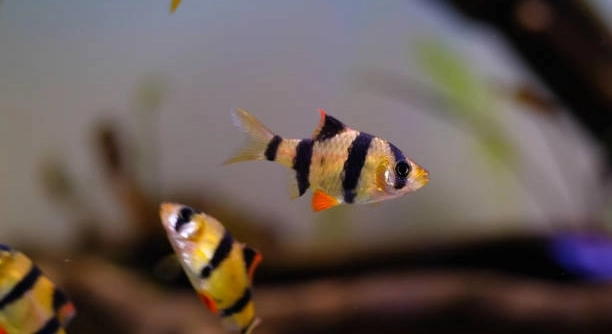
Tiger Barbs are lively, colorful fish that many enjoy keeping in home aquariums. Their active nature and appetite usually make feeding time a pleasant routine. However, sometimes these fish may suddenly refuse food, which can be concerning for owners.
A sudden loss of appetite in Tiger Barbs often indicates stress, illness, or environmental changes. Common causes include water quality issues, improper diet, or tank mates causing aggression. Identifying and addressing these factors promptly is essential for their health.
Understanding why Tiger Barbs stop eating helps ensure they stay healthy and active. This article explains common causes and offers guidance to restore their appetite.
Common Causes of Appetite Loss in Tiger Barbs
Tiger Barbs may stop eating for several reasons, often linked to their environment or health. Poor water quality is a frequent issue, as high ammonia, nitrite, or nitrate levels can stress fish. Stress from aggressive tank mates or overcrowding can also cause them to refuse food. Sudden changes in water temperature or pH might upset their natural balance, leading to loss of appetite. Additionally, illnesses such as infections or parasites can reduce their willingness to eat. Diet plays a role too; feeding low-quality or inappropriate food may result in disinterest. It is important to observe behavior carefully and test water parameters regularly. Maintaining a stable, clean environment with proper nutrition supports their wellbeing and appetite.
Regular water testing helps catch potential issues early. Monitoring fish interactions ensures the tank environment stays peaceful.
Recognizing these factors allows owners to take steps toward improving conditions. Addressing water quality, tank setup, and diet often restores normal feeding habits quickly. In cases of illness, consulting a vet or aquatic specialist is recommended. Consistency in care creates a healthier habitat, reducing stress and encouraging Tiger Barbs to eat normally again.
Environmental Changes and Their Impact
Sudden shifts in the tank environment can make Tiger Barbs stop eating.
Changes like new decorations, moving the tank, or altering water chemistry cause stress. Fish are sensitive to even small variations, which affect their behavior and appetite. Keeping the environment stable helps maintain their health.
Frequent water changes with inconsistent parameters may shock Tiger Barbs, leading to loss of appetite. Lighting changes or loud noises nearby can also unsettle them. When introducing new fish, quarantine and gradual introduction prevent stress-related feeding issues. Proper acclimation to new tanks or adjustments is essential to minimize discomfort. Ensuring consistent water temperature, pH, and cleanliness supports their natural feeding behavior. Observing the fish closely during changes helps catch problems early and provides a chance to make timely corrections that encourage normal eating patterns again.
Health Issues Affecting Tiger Barbs’ Appetite
Illnesses are a common reason Tiger Barbs may stop eating. Parasites, bacterial infections, and fungal diseases all affect their health and feeding behavior.
Parasites like ich or flukes cause discomfort, making fish less interested in food. Bacterial infections may result from poor water conditions, leading to lethargy and appetite loss. Early signs include faded color, clamped fins, or abnormal swimming. Proper diagnosis and treatment are critical to recovery.
Maintaining good water quality and quarantining new fish reduces disease risks. If illness is suspected, medication designed for aquarium fish should be used carefully, following instructions. Regular observation helps detect symptoms early, increasing chances of successful treatment and return to normal eating habits.
Diet and Feeding Practices
Feeding the right diet is essential to keep Tiger Barbs healthy and eating well. Variety and quality matter.
A balanced diet with high-quality flakes, pellets, and occasional live or frozen food supports their nutritional needs. Overfeeding or poor-quality food can cause digestive problems and reduce appetite. Feeding small amounts two to three times daily is ideal.
Avoid sudden diet changes as they can upset the fish’s digestive system. Providing a consistent feeding routine helps Tiger Barbs stay interested in food. Removing uneaten food promptly prevents water pollution that could lead to health issues. Proper nutrition combined with good tank maintenance keeps Tiger Barbs active and eating regularly.
Tank Mates and Social Stress
Aggressive or overly active tank mates can stress Tiger Barbs, causing them to stop eating. Stress weakens their immune system and reduces appetite.
Keeping compatible fish together and avoiding overcrowding creates a peaceful environment. This balance supports their natural behavior and feeding.
Water Quality Management
Regular testing and maintenance of water parameters are essential. Clean water with stable pH, temperature, and low toxins keeps Tiger Barbs healthy and willing to eat.
Maintaining a good filtration system and performing consistent water changes prevents harmful buildup, promoting a balanced habitat for feeding and growth.
Signs of Stress in Tiger Barbs
Stress in Tiger Barbs often shows as hiding, erratic swimming, or loss of color. These behaviors usually coincide with reduced feeding.
Identifying these signs early helps prevent prolonged appetite loss and supports prompt intervention to restore their health.
FAQ
Why has my Tiger Barb suddenly stopped eating?
There are several reasons why your Tiger Barb might stop eating suddenly. Common causes include stress from changes in the tank environment, poor water quality, aggressive tank mates, illness, or improper diet. Addressing these issues quickly helps restore their appetite.
How can I tell if my Tiger Barb is stressed?
Signs of stress include hiding, loss of color, erratic swimming, and decreased activity. Stress often leads to a reduced appetite. Observing these behaviors early allows you to take action to improve their environment and care.
What should I do if my Tiger Barb isn’t eating?
First, check water quality and tank conditions. Test for ammonia, nitrites, nitrates, and pH levels. Remove aggressive fish if necessary, and ensure proper diet. If illness is suspected, consider medication after consulting an expert.
Can changes in water temperature affect feeding?
Yes, Tiger Barbs are sensitive to temperature fluctuations. Sudden drops or increases in temperature can cause stress and reduce appetite. Maintain stable temperatures within their preferred range, typically between 74°F and 79°F (23°C–26°C).
Is overfeeding harmful to Tiger Barbs?
Overfeeding can lead to poor water quality and digestive issues, which may reduce appetite. Feeding small portions two to three times a day and removing uneaten food helps prevent problems.
What diet is best for encouraging my Tiger Barb to eat?
A varied diet works best. Use high-quality flakes or pellets as a base, supplemented by live or frozen foods like brine shrimp or bloodworms. Variety keeps their interest and supports nutrition.
How do tank mates impact my Tiger Barb’s eating habits?
Aggressive or territorial fish can stress Tiger Barbs, causing them to stop eating. Keep peaceful species together and avoid overcrowding to reduce competition and stress.
How often should I test my aquarium water?
Regular testing is crucial. Weekly checks of ammonia, nitrite, nitrate, and pH levels help catch problems early. Keeping water stable supports your fish’s health and appetite.
What are common illnesses that affect Tiger Barbs’ appetite?
Common illnesses include ich, bacterial infections, and parasites. Symptoms often include lethargy, clamped fins, or visible spots. Early treatment improves recovery chances and helps restore feeding.
Can environmental changes cause appetite loss?
Yes, moving the tank, changing decorations, or altering water chemistry suddenly can stress Tiger Barbs. Gradual changes and proper acclimation reduce the risk of appetite loss.
When should I consult a veterinarian or specialist?
If your Tiger Barb refuses food for more than several days despite good water quality and tank conditions, or shows signs of illness, consulting a specialist is recommended. Proper diagnosis and treatment are important for recovery.
Is it normal for Tiger Barbs to fast occasionally?
Occasional fasting can happen, especially during acclimation or after stressful events. However, prolonged refusal to eat usually signals a problem that needs attention.
How can I improve feeding behavior in a stressed Tiger Barb?
Reducing stressors by stabilizing water conditions, providing hiding spots, and ensuring peaceful tank mates helps. Offering favorite foods or live feed can also encourage eating.
What role does lighting play in Tiger Barbs’ appetite?
Consistent lighting mimics natural day and night cycles, supporting normal behavior and feeding. Sudden changes in lighting can cause stress and reduce appetite.
How important is tank cleanliness for appetite?
A clean tank with good filtration prevents toxin buildup, which can cause illness and stress. Regular maintenance supports a healthy environment and good feeding habits.
Final thoughts on why Tiger Barbs might suddenly stop eating focus on understanding their needs and environment. These fish rely heavily on stable conditions and proper care to stay healthy and active. Changes in water quality, temperature, or tank setup can cause stress, which often leads to a loss of appetite. Paying close attention to these factors and maintaining a clean, peaceful aquarium can help prevent feeding problems. Regular water testing and careful observation of your fish’s behavior are essential parts of responsible fishkeeping.
It is also important to consider the social dynamics in your tank. Tiger Barbs do best with compatible tank mates and enough space to swim comfortably. Aggression or overcrowding can cause stress, making the fish less interested in eating. Providing a balanced diet with variety helps keep their appetite strong and supports their overall health. Avoid overfeeding and sudden diet changes to prevent digestive issues. If illness is suspected, quick and appropriate treatment is necessary to restore their well-being and appetite.
Taking a patient and consistent approach when caring for Tiger Barbs often leads to positive results. Changes to the tank should be gradual to avoid shocking the fish. Observing signs of stress or sickness early makes it easier to correct problems before they worsen. Maintaining a good routine of feeding, cleaning, and monitoring ensures a healthy environment that encourages normal feeding behavior. With careful attention, Tiger Barbs can remain lively, healthy, and eager to eat for a long time.

Hello,
If you enjoy the content that we create, please consider saying a "Thank You!" by leaving a tip.
Every little bit helps us continue crafting quality advice that supports the health, happiness, and well-being of pets around the world, for pets of all shapes, sizes, and species.
We really appreciate the kindness and support that you show us!