
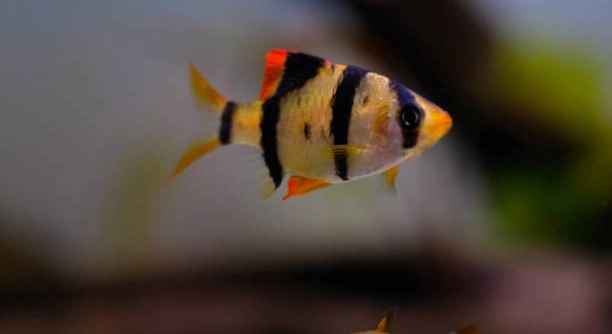
Caring for a tiger barb involves more than just feeding and tank maintenance. These lively fish benefit from an enriched environment that supports their natural behaviors. Enhancing their habitat can improve their health and happiness over time.
Providing a stimulating environment for tiger barbs includes adding plants, hiding spots, and varied swimming areas. Regular interaction, a balanced diet, and maintaining water quality also contribute significantly to their overall well-being and stress reduction.
Small changes in their tank setup and care routine can make a big difference. These steps help create a more dynamic and comfortable space for your fish.
Create Hiding Spots with Plants and Decorations
Tiger barbs naturally seek shelter and places to explore. Adding live or artificial plants and decorations offers them spaces to hide and feel secure. Dense plants also help mimic their natural habitat, reducing stress and encouraging natural behaviors like schooling and foraging. Rock caves or driftwood can create interesting structures, giving them a sense of territory. It’s important to arrange these elements to allow open swimming areas while providing cover. When selecting plants, consider hardy species that tolerate the water conditions of a tiger barb tank. Maintaining these plants is key to keeping the tank clean and healthy. Regularly inspect and trim plants to avoid overcrowding or decay. Decorations should be smooth and free of sharp edges to prevent injuries. Balancing decorations and open space improves tank aesthetics and promotes a more active and confident fish.
Hiding spots improve fish comfort and reduce aggression within the group. A well-decorated tank mimics nature and promotes natural behavior.
Having a mix of plants and structures creates a balanced environment. It encourages exploration and reduces stress, leading to healthier and happier tiger barbs. Regular upkeep of plants and decorations ensures a clean habitat. It also prevents buildup of waste and algae. Watching your fish interact with their environment becomes more enjoyable with diverse hiding places. This setup also supports territorial needs and social interactions, which are vital for their well-being. Adding natural elements can increase oxygen levels and improve water quality. Overall, a thoughtful tank design makes a noticeable difference in your tiger barb’s life quality and longevity.
Maintain Water Quality Consistently
Water quality directly affects tiger barbs’ health and behavior. Keeping ammonia, nitrite, and nitrate levels low is essential. Use a reliable water test kit regularly to monitor these parameters.
Regular water changes remove toxins and replenish essential minerals. Partial weekly changes of 20-30% help maintain stable conditions. Avoid sudden temperature changes and keep the tank between 74°F and 79°F. Using a good filter supports beneficial bacteria growth, which breaks down waste. Clean the filter media as needed without using harsh chemicals to avoid killing these bacteria.
Keeping water clean reduces stress, improves immune response, and supports vibrant colors. Clear water allows better observation of your fish’s health. Proper filtration and cycling create a stable environment, reducing the risk of disease outbreaks. Using water conditioners can neutralize harmful chlorine and chloramine from tap water. In addition, avoid overcrowding the tank to prevent excessive waste production. Keeping water stable and clean ensures a thriving habitat, which is the foundation of enriching your tiger barb’s life.
Provide a Balanced Diet
Feeding tiger barbs a variety of foods ensures they receive all necessary nutrients. Include high-quality flakes, pellets, and live or frozen foods.
A balanced diet supports vibrant colors and healthy growth. Tiger barbs enjoy protein-rich options like bloodworms, brine shrimp, and daphnia. Vegetables such as blanched spinach or zucchini offer essential fiber and vitamins. Feeding small amounts multiple times a day prevents overfeeding and water pollution. Rotate foods regularly to avoid nutritional gaps and keep their interest in mealtime.
Proper nutrition strengthens their immune system and energy levels. Avoid feeding only one type of food to prevent deficiencies. Supplementing with occasional treats encourages natural hunting behavior and mental stimulation. Fresh, varied meals contribute to overall tank health by reducing waste and keeping your tiger barbs active and thriving.
Encourage Social Interaction
Tiger barbs are schooling fish that feel safer and more confident in groups. Keeping at least six or more reduces aggression and stress.
Social interaction allows natural behaviors such as chasing, schooling, and establishing social hierarchy. Groups help prevent boredom and promote activity. Isolated fish may become stressed or lethargic. Ensure the tank is large enough to provide adequate swimming space for all fish. Watch for bullying or injury, which can happen in small or overcrowded tanks. Introducing new fish gradually helps maintain group harmony. Providing multiple hiding spots also reduces conflicts. Regular observation helps catch signs of stress early and supports a peaceful environment for your tiger barbs to thrive together.
Use Proper Lighting
Proper lighting supports plant growth and regulates your tiger barbs’ day-night cycle. Use moderate light to avoid stressing the fish.
Too much light can cause algae growth and stress. A timer helps maintain a consistent schedule for about 8–10 hours daily.
Introduce Environmental Enrichment
Adding floating plants or gentle water currents simulates a natural environment. These features encourage exploration and reduce boredom.
Monitor Fish Health Regularly
Watch your tiger barbs for signs of illness like discoloration, unusual behavior, or loss of appetite. Early detection allows prompt treatment and better recovery.
FAQ
How often should I feed my tiger barbs?
Feeding tiger barbs two to three small meals daily is ideal. Overfeeding can lead to water quality issues and health problems. Provide only what they can eat within two to three minutes each time. This routine helps maintain a clean tank and keeps your fish healthy.
Can tiger barbs live with other fish?
Yes, tiger barbs are semi-aggressive but can live peacefully with other active, similarly sized fish. Avoid slow-moving or long-finned species, as tiger barbs may nip fins. Keeping them in groups of six or more also reduces aggression within their own kind.
What water parameters are best for tiger barbs?
Maintain water temperature between 74°F and 79°F (23°C–26°C). The pH should be around 6.5 to 7.5. Regular testing for ammonia, nitrites, and nitrates is essential. Stable water conditions help prevent stress and disease.
How big should my tiger barb tank be?
A minimum of 20 gallons is recommended for a small group of tiger barbs. They are active swimmers, so providing ample space reduces stress and aggression. Larger tanks support better water quality and more natural behaviors.
What signs indicate my tiger barb is stressed?
Common stress signs include hiding frequently, loss of appetite, faded colors, and erratic swimming. Stress can result from poor water quality, overcrowding, or aggressive tank mates. Addressing these issues quickly improves your fish’s well-being.
Do tiger barbs require special lighting?
Moderate lighting for about 8–10 hours daily is best. Too much light causes algae growth and stress, while too little can affect plant health. Using a timer ensures a consistent day-night cycle, which supports natural behaviors.
Can tiger barbs breed in a home aquarium?
Breeding tiger barbs requires specific conditions such as slightly acidic water, temperatures around 78°F, and dense plants for egg laying. They are egg scatterers, and adults may eat the eggs, so separating eggs or parents is often necessary.
How can I reduce aggression in my tiger barb group?
Keep them in groups of six or more to diffuse aggression. Provide plenty of hiding spots and plants to break sight lines. Avoid overcrowding and maintain good water quality. Watching for overly aggressive individuals helps you take action early.
What foods are best for tiger barbs?
A varied diet including high-quality flakes or pellets, live or frozen bloodworms, brine shrimp, and some vegetable matter supports balanced nutrition. Rotating foods helps keep them healthy and interested during feeding times.
How often should I change the water?
Weekly partial water changes of 20–30% help keep toxins low and maintain stable water conditions. Frequent water changes support fish health and reduce algae buildup. Always treat tap water to remove chlorine or chloramine before adding it to the tank.
Is it necessary to use a filter with tiger barbs?
Yes, a good filter is important for breaking down waste and maintaining water quality. Choose a filter with moderate flow to avoid stressing the fish. Regular cleaning without harsh chemicals keeps beneficial bacteria healthy.
What tank decorations are safe for tiger barbs?
Smooth rocks, driftwood, and hardy plants are good choices. Avoid sharp or rough decorations that could injure the fish. Providing varied structures encourages exploration and reduces stress by offering hiding spots.
How can I tell if my tiger barb is sick?
Look for changes in behavior like lethargy, erratic swimming, or loss of appetite. Physical signs include faded color, spots, frayed fins, or swelling. Early detection and treatment are key to preventing serious illness.
Are tiger barbs suitable for beginners?
Tiger barbs are moderately easy to care for but need stable water conditions and social groups. They require regular maintenance and monitoring, making them better suited for hobbyists willing to stay consistent with care routines.
Can I keep tiger barbs alone?
It’s not recommended to keep a single tiger barb. They are schooling fish and need companions to thrive. A lone fish may become stressed or exhibit aggressive behaviors. Groups of at least six help promote natural social interactions.
Final Thoughts
Caring for tiger barbs goes beyond just providing food and clean water. Creating a balanced and stimulating environment helps these fish stay healthy and active. Simple additions like plants, hiding spots, and proper lighting can make a big difference in their behavior and overall well-being. A well-maintained tank that mimics their natural habitat encourages natural swimming and social interaction, reducing stress and aggression.
Regular monitoring of water quality and health is essential. Keeping the water clean and stable supports your tiger barbs’ immune systems and prevents many common illnesses. Feeding a varied and balanced diet ensures they get the right nutrients to maintain their vibrant colors and energy levels. Providing consistent care and attention helps your fish adapt to their environment and thrive over time.
Maintaining a peaceful group with enough space and social companions improves your tiger barbs’ quality of life. These fish are social creatures, and their happiness depends on suitable tank mates and a well-structured environment. Paying attention to their needs and behaviors allows you to adjust care practices when necessary. Overall, small but thoughtful changes in care can lead to a longer, healthier, and more enriching life for your tiger barbs.

Hello,
If you enjoy the content that we create, please consider saying a "Thank You!" by leaving a tip.
Every little bit helps us continue crafting quality advice that supports the health, happiness, and well-being of pets around the world, for pets of all shapes, sizes, and species.
We really appreciate the kindness and support that you show us!