
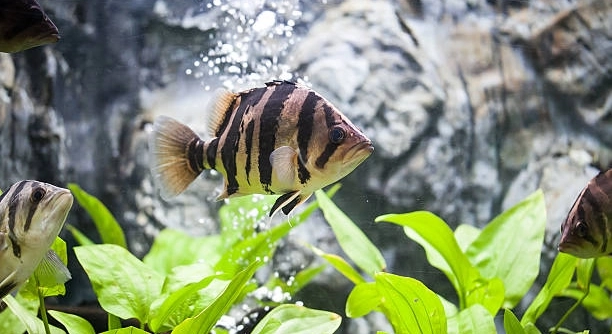
Are your tiger barbs constantly chasing each other or bothering other fish in the tank, leaving you unsure of what’s causing the behavior?
Tiger barbs are aggressive due to their natural schooling instincts, territorial behavior, and social hierarchy. These traits often lead to fin nipping, chasing, and dominance displays, especially in smaller groups or overcrowded tanks with limited hiding spaces.
Understanding the causes behind this behavior can help you create a more peaceful and balanced environment for all your fish.
Why Tiger Barbs Act Aggressively
Tiger barbs are naturally active and social fish that prefer living in groups. When kept in small numbers or without enough space, they become stressed and display aggressive behavior. This includes chasing, fin nipping, and establishing dominance over other fish. Their need to form a social order within the group is strong, and if their environment doesn’t support that, they become more aggressive. Tank size, tank mates, and lack of enrichment often contribute to this behavior. A well-planned setup with proper group size and plenty of space can help ease their tension and encourage more balanced behavior.
Tiger barbs are known for their high energy and assertive nature, especially when competing for food or space.
Keeping at least six tiger barbs in a spacious tank allows them to establish a stable pecking order. This reduces aggressive outbursts and spreads the social pressure across the group. Avoid pairing them with slow or long-finned species.
Environmental Triggers Behind Their Behavior
Stress from poor tank conditions often triggers aggressive actions in tiger barbs.
A small tank, poor water quality, and minimal hiding places can make tiger barbs feel unsafe, prompting them to lash out. They do best in well-maintained tanks with stable parameters, clean water, and moderate current. Adding plants or decorations can help break up sightlines and give them places to retreat. Overcrowding makes things worse, especially when they are kept with incompatible tank mates. It’s also important to consider lighting and feeding habits. Too much light or inconsistent feeding can create tension among the group. Maintaining a balanced, enriched environment keeps their behavior in check and helps reduce unnecessary aggression.
Group Dynamics and Social Hierarchy
Tiger barbs create a natural pecking order within their group. If the group is too small, one or two fish may become overly dominant and chase the others. This leads to tension and aggressive behavior across the tank.
A group of six or more tiger barbs helps distribute social pressure evenly. In smaller groups, dominant individuals focus their energy on just a few tank mates, causing stress. Larger schools create balance, and any chasing tends to stay within the group without harming others. It’s important to provide enough space for the group to swim freely and establish their order. Adding plants or decorations can also help by offering hiding spots and reducing constant interaction. Always monitor their behavior after introducing new fish to see if the balance shifts or aggression increases, and adjust the group if necessary.
The balance of males and females in the group also matters. Too many males can increase chasing and competition.
Incompatible Tank Mates
Tiger barbs should not be housed with slow or long-finned fish like bettas or angelfish. These types of fish are often targets for fin nipping. Their calm movements and extended fins attract unwanted attention from the faster, more assertive tiger barbs.
Fast-swimming and similarly active fish are better suited as tank mates. Consider species like danios, loaches, or other robust barbs that can keep up without becoming stressed. Always ensure the tank is large enough to accommodate multiple species without overcrowding. Overcrowded tanks raise stress levels and may worsen aggression. It’s also helpful to introduce all species at the same time to reduce territorial disputes. If aggression persists, rehome incompatible fish or use tank dividers as a short-term solution. A peaceful tank starts with thoughtful planning, and knowing how your tiger barbs interact with others is a key part of maintaining that balance.
Impact of Tank Size and Layout
A tank that’s too small increases stress and territorial behavior in tiger barbs. When space is limited, they become more aggressive as they fight over territory and feel constantly exposed.
A spacious tank with plants, driftwood, and hiding areas encourages natural movement and reduces the need to compete for space.
Importance of Proper Feeding
Feeding time can spark aggression if food is limited or spread unevenly. Tiger barbs are fast eaters and will chase others away from food. Feeding them in multiple spots at once helps reduce competition and ensures all fish get their share. Using floating and sinking food also gives different access points, allowing bottom dwellers or slower fish to eat undisturbed. Feed them small portions two to three times a day to keep their energy levels steady. Overfeeding or inconsistent feeding routines can make them more restless and trigger fin nipping or chasing behavior.
Signs Aggression Is Escalating
Watch for torn fins, missing scales, or constant chasing. These are signs aggression is getting out of hand and action may be needed.
FAQ
Why are my tiger barbs nipping fins?
Fin nipping is common among tiger barbs and usually results from their natural territorial and social behavior. They establish dominance by chasing and nipping fins, especially if the tank is overcrowded or lacks hiding places. Small or slow-moving fish with long fins are often targets. Adjusting the tank setup, increasing the group size, or adding plants can help reduce this behavior.
How many tiger barbs should be kept together?
At least six tiger barbs should be kept together. This number helps distribute social interactions evenly, reducing aggression toward individual fish. Smaller groups tend to have dominant fish bullying the others, which increases stress and aggression. A larger school promotes natural schooling behavior and keeps aggression balanced.
Can tiger barbs live with other fish?
Tiger barbs do best with active, fast-moving fish that can handle their energetic nature. Suitable tank mates include danios, loaches, and other barbs. Avoid slow, long-finned, or shy fish because tiger barbs may nip their fins or stress them out. It’s important to monitor interactions and adjust tank mates as needed.
Does tank size affect aggression in tiger barbs?
Yes, tank size plays a crucial role in their behavior. Small tanks limit space and cause stress, which leads to more aggressive behavior. Providing at least a 30-gallon tank for a group of six or more tiger barbs gives them room to swim and establish territories peacefully. More space reduces constant confrontations.
What role does feeding play in aggression?
Feeding time can increase aggression if food is limited or delivered unevenly. Tiger barbs eat quickly and will chase others to get food. Feeding in multiple spots with varied food types reduces competition. Consistent feeding schedules also help keep their energy balanced and minimize aggressive outbursts.
How can I tell if aggression is harming my fish?
Look for torn or ragged fins, missing scales, or constant chasing. These signs mean aggression is excessive and could harm the health of your fish. Intervene by rearranging the tank, adding more hiding spots, increasing group size, or separating aggressive individuals if necessary.
Can male and female ratios affect aggression?
Yes, having too many males can lead to increased chasing and competition. A balanced ratio, with more females than males, usually helps keep aggression levels lower. It’s difficult to sex tiger barbs accurately without experience, but observing behavior patterns can give clues.
Are there ways to reduce aggression without changing the tank size?
Yes, adding plants, decorations, and hiding places can reduce aggression by breaking sightlines and giving fish places to retreat. Increasing group size to at least six also distributes social pressure. Consistent feeding and selecting compatible tank mates help create a calmer environment.
When should aggressive tiger barbs be removed?
If aggression results in injury, stress, or death of tank mates, removing the aggressive fish is necessary. Sometimes, individual tiger barbs become excessively dominant and harm the group’s balance. Separating or rehoming aggressive fish can protect the overall health of the tank.
Do tiger barbs become less aggressive as they age?
Tiger barbs may mellow slightly as they mature, but their natural assertive behavior usually remains. Proper care, tank setup, and social grouping are more effective at managing aggression than expecting them to outgrow it.
Is aggression more common during breeding?
Aggression can increase during breeding as males compete for females and defend territory. Providing plenty of space and hiding places can reduce conflicts. Separating pairs or providing a breeding tank can protect other fish during this time.
Can lighting impact tiger barb aggression?
Bright lighting may increase activity and aggression in tiger barbs. Using moderate lighting and providing shaded areas can help reduce stress. Plants and decorations that create natural shadows offer relief and help keep the fish calm.
Are tiger barbs aggressive toward their own species?
Yes, they display aggressive behaviors within their own group to establish social order. This includes chasing and nipping. A larger group size helps spread this behavior so it doesn’t focus on one or two individuals, keeping overall aggression balanced.
What is the best way to introduce new tiger barbs to an established tank?
Introduce new tiger barbs gradually and in groups rather than singly. Rearranging tank decorations before adding new fish can reduce territorial behavior. Monitor closely for aggression and be prepared to separate overly dominant individuals. A slow and careful introduction helps maintain peace.
Can water quality influence aggression?
Poor water quality stresses fish and increases aggressive behavior. Maintaining clean, stable water with regular testing and changes reduces stress and helps keep tiger barbs calm. Stable temperature and pH are also important to prevent unnecessary agitation.
How important is exercise for tiger barbs?
Tiger barbs are active swimmers and need space to exercise. A cramped tank limits movement and raises stress, leading to more aggression. Providing a large, well-decorated tank allows natural swimming behavior and helps keep them mentally and physically healthy.
Final Thoughts
Tiger barbs are lively and spirited fish, known for their bold behavior and social nature. Their aggression is part of how they communicate and interact within their groups. This natural behavior becomes more noticeable in tanks that don’t meet their needs for space, group size, and environment. Understanding these factors helps keep aggression manageable and ensures a healthier tank. It’s important to remember that their behavior is not meant to cause harm but is part of their way of establishing social order and protecting their space. When provided with proper care, tiger barbs can thrive and show their energetic personalities without causing excessive stress to other fish.
Creating a balanced tank environment is key to reducing aggressive actions. A spacious tank with at least six tiger barbs allows them to form a stable social group. Adding plants and decorations breaks up the space and provides hiding spots, which helps reduce tension. Feeding habits also play a role; offering food in multiple locations and maintaining a consistent schedule helps prevent competition and chasing during meal times. Choosing compatible tank mates that can keep up with the tiger barbs’ energy level is equally important to maintain harmony. Regular monitoring of the fish’s behavior and the tank conditions will help catch any issues early and allow adjustments before aggression becomes a problem.
While tiger barbs may never lose their spirited nature entirely, proper care and tank management can greatly reduce stress and conflict. Paying attention to group size, tank layout, feeding routines, and water quality creates a more peaceful setting for all inhabitants. Aggression in tiger barbs often signals a need for change in their environment rather than a fault in the fish themselves. By addressing these needs thoughtfully, the tank becomes a place where tiger barbs and their companions can coexist with less tension, allowing their lively behavior to be enjoyed in a balanced and healthy aquarium.

Hello,
If you enjoy the content that we create, please consider saying a "Thank You!" by leaving a tip.
Every little bit helps us continue crafting quality advice that supports the health, happiness, and well-being of pets around the world, for pets of all shapes, sizes, and species.
We really appreciate the kindness and support that you show us!