
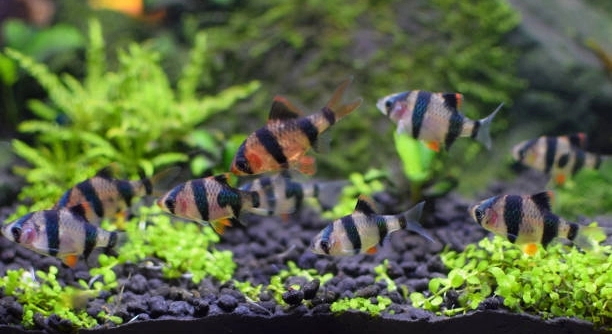
Tiger Barbs are a popular choice among aquarium enthusiasts due to their vibrant colors and active behavior. Many fishkeepers consider adding them to community tanks for a lively and engaging aquatic environment. Understanding their compatibility with other fish is essential for a balanced tank.
Tiger Barbs can be suitable for community tanks if kept in groups of six or more to reduce aggression. They are semi-aggressive and may nip at slower or long-finned fish, so careful selection of tank mates is important for harmony.
Knowing how Tiger Barbs interact with other species helps ensure a peaceful and thriving community tank setup. This article will explain key factors to consider when adding these fish.
Behavior and Temperament of Tiger Barbs
Tiger Barbs are known for their energetic and sometimes bold behavior. They swim actively throughout the tank, adding movement and interest. However, they have a reputation for fin-nipping, especially targeting fish with long or flowing fins like guppies or angelfish. Keeping them in groups of at least six helps spread out their attention and reduces aggression. When isolated or in small numbers, Tiger Barbs tend to become more aggressive and may harass other tank mates more frequently. Their semi-aggressive nature means they can coexist with similarly sized, robust fish but may not be suitable with very shy or slow-moving species. Tank size also matters; a larger space gives Tiger Barbs room to swim and reduces territorial disputes. Observing their behavior after introduction is important to make adjustments if necessary.
Proper group size and compatible tank mates are key to managing Tiger Barbs’ behavior and maintaining peace.
It is important to recognize how their temperament impacts tank dynamics. Careful planning and monitoring can prevent issues and keep the community tank balanced.
Ideal Tank Mates for Tiger Barbs
Choosing the right tank mates ensures harmony and reduces stress in the aquarium.
Suitable companions include other active fish that can tolerate occasional nipping. Species like danios, rasboras, and barbs with similar activity levels usually work well. Avoid slow-moving, long-finned, or very small fish that could become targets. Fish that prefer different water layers or hiding spaces also reduce conflict. Avoid aggressive fish that might compete for territory or food. Proper tank size and plenty of hiding spots benefit all inhabitants by minimizing stress and aggression. Introducing Tiger Barbs alongside their tank mates from the start helps establish boundaries and reduces bullying. When these factors are considered, Tiger Barbs can thrive without disrupting the community balance.
Tank Setup for Tiger Barbs
Tiger Barbs need enough space to swim actively and establish territories without feeling cramped.
A tank of at least 30 gallons is recommended for a small group. This size allows them to move freely and reduces stress that can trigger aggression. The tank should include hiding spots created with plants, rocks, or decorations. These provide refuge for more timid fish and help break the line of sight between Tiger Barbs, lowering conflicts. Moderate water flow and good filtration maintain a healthy environment. Regular maintenance is also important to keep water parameters stable.
Lighting should be balanced to support live plants but not too intense, as overly bright light can increase aggression. A substrate that supports plants and decorations will improve the overall tank aesthetics and the comfort of all fish. Proper setup plays a crucial role in maintaining peace in a community tank with Tiger Barbs.
Feeding and Nutrition
Tiger Barbs require a varied diet to stay healthy and vibrant.
They are omnivores and enjoy a mix of flakes, pellets, and live or frozen foods such as bloodworms or brine shrimp. Providing a balanced diet supports their active lifestyle and bright coloration. Feeding small amounts two to three times daily prevents overfeeding and water quality issues. Including plant-based foods helps with digestion and overall well-being.
Avoid feeding only one type of food to prevent nutritional deficiencies. Watch their behavior during feeding to ensure all fish are getting enough. Feeding habits can influence social dynamics in the tank, so maintaining proper nutrition helps reduce stress and aggression. A consistent feeding routine benefits the entire community tank.
Common Health Issues
Tiger Barbs are generally hardy but can face common freshwater fish illnesses.
Ich and fin rot are the most frequent problems caused by poor water quality or stress. Maintaining clean water and stable conditions helps prevent these diseases.
Regular observation of your Tiger Barbs allows early detection of health problems. Watch for signs like white spots, frayed fins, or unusual behavior. Quarantining new fish before adding them to the main tank reduces the risk of introducing illnesses. Proper diet and tank maintenance further support their immune system and overall health.
Keeping the tank clean and monitoring fish behavior can help catch problems early and protect your fish.
Breeding Tiger Barbs
Breeding Tiger Barbs requires a separate breeding tank with controlled conditions.
They prefer slightly acidic to neutral water and a temperature around 78°F to 80°F for spawning. Providing fine-leaved plants or spawning mops encourages egg laying. Males display brighter colors and chase females during courtship. After spawning, adults should be removed to prevent eating the eggs. Fry hatch in about two days and need infusoria or specialized fry food until large enough for flakes or pellets. Regular water changes and gentle filtration are essential for healthy fry development. Breeding can be rewarding but requires attention to detail and care.
Compatibility Considerations
Tiger Barbs’ active and semi-aggressive nature means tank mates must be chosen carefully.
FAQ
Are Tiger Barbs aggressive to other fish?
Tiger Barbs can show semi-aggressive behavior, especially if kept in small groups or with slow-moving fish. They tend to nip fins, mainly targeting long-finned species. Keeping them in groups of six or more helps reduce aggression by distributing their attention among themselves. Choosing tank mates with similar activity levels and size also minimizes conflicts. Proper tank size and hiding spaces further reduce aggressive incidents.
How many Tiger Barbs should be kept together?
It is best to keep Tiger Barbs in groups of at least six. Smaller groups tend to increase aggression and bullying because the fish focus their energy on fewer targets. Larger groups spread out this behavior, leading to a more stable social environment. A group of six or more also encourages natural schooling behavior, making the fish feel secure and less likely to act aggressively.
Can Tiger Barbs live with other barbs or similar fish?
Yes, Tiger Barbs generally do well with other barbs, danios, and fast-moving fish of similar size. These species usually have comparable temperaments and activity levels, which helps reduce aggression. Avoid mixing Tiger Barbs with slow or delicate fish that may become stressed or harmed by their nipping tendencies.
What tank size is recommended for Tiger Barbs?
A minimum tank size of 30 gallons is recommended for a small group of Tiger Barbs. This provides enough swimming space and reduces territorial behavior. Larger tanks help minimize stress and aggression by giving fish room to explore and avoid each other when necessary.
What water conditions do Tiger Barbs prefer?
Tiger Barbs thrive in water with a temperature between 74°F and 79°F, a pH of 6.5 to 7.5, and moderate hardness. Stable water parameters are crucial to prevent stress and illness. Regular water changes and good filtration maintain these conditions, keeping the fish healthy.
What do Tiger Barbs eat?
Tiger Barbs are omnivores and require a varied diet. Feed them quality flakes, pellets, and occasional live or frozen foods like bloodworms or brine shrimp. Including plant-based foods supports digestion and overall health. Feeding small portions two to three times daily prevents overfeeding and maintains water quality.
Do Tiger Barbs nip fins of other fish?
Yes, fin-nipping is common behavior in Tiger Barbs, especially toward long-finned or slow-moving fish. This behavior can be reduced by keeping Tiger Barbs in larger groups and selecting tank mates that can handle their active nature. Adding plenty of hiding places also helps reduce stress-related aggression.
Can Tiger Barbs be kept with community fish?
Tiger Barbs can be part of a community tank if their temperament and behavior are managed properly. Selecting fast, similarly sized fish that can tolerate their activity level works best. Avoid keeping them with very timid or slow fish. Proper tank size, hiding spots, and group numbers play essential roles in compatibility.
How often should Tiger Barbs be fed?
Feeding Tiger Barbs two to three times a day in small portions is ideal. This routine supports their active metabolism and prevents excess food from polluting the tank. Offering a balanced diet with varied food types ensures proper nutrition.
Are Tiger Barbs suitable for beginner fishkeepers?
Tiger Barbs can be suitable for beginners with some experience managing semi-aggressive fish. They require attention to group size, tank mates, and water quality. Proper research and tank setup are important to prevent issues. For a first-time community tank, more peaceful species might be easier to maintain.
What are signs of stress or illness in Tiger Barbs?
Signs include clamped fins, loss of color, unusual swimming patterns, and hiding more than usual. White spots, frayed fins, or lethargy often indicate disease. Prompt action with water changes, improved diet, and treatment is necessary to prevent worsening conditions.
Can Tiger Barbs breed in a community tank?
Breeding in a community tank is unlikely due to stress and egg predation by other fish. Breeding requires a separate tank with controlled conditions and removal of adults after spawning to protect the eggs and fry.
How long do Tiger Barbs live?
With proper care, Tiger Barbs typically live between 5 and 7 years. Good water quality, nutrition, and social conditions contribute to a longer, healthier life.
What decorations or plants are best for Tiger Barbs’ tank?
Sturdy live plants and decorations that create hiding spots are ideal. Tiger Barbs enjoy swimming around rocks and plants but may nip soft, delicate foliage. Using robust plants like Java fern or Anubias provides shelter without damage.
How can I reduce aggression in Tiger Barbs?
Keeping them in groups of six or more, choosing compatible tank mates, providing ample space and hiding places, and maintaining stable water conditions are the best ways to reduce aggression. Avoid overcrowding and stress triggers.
Is it necessary to quarantine new Tiger Barbs before adding them to the main tank?
Quarantining new fish for at least two weeks helps prevent disease introduction. Observation during quarantine allows early detection of illness and reduces stress in the main tank.
This FAQ covers the key concerns about Tiger Barbs in community tanks. Proper care and management lead to a peaceful, colorful aquarium.
Tiger Barbs are a lively and colorful addition to many community tanks. Their active swimming and striking patterns bring energy to the aquarium. However, their semi-aggressive nature means they are not the best fit for every tank. They require careful consideration when choosing tank mates and tank size. Keeping them in groups of six or more is important to reduce their natural tendency to nip fins. When these factors are managed well, Tiger Barbs can coexist peacefully with other suitable fish.
Setting up the right environment is key to keeping Tiger Barbs healthy and balanced. A tank of at least 30 gallons provides enough space for a small group to swim freely and avoid stress. Including plenty of hiding spots with plants and decorations helps minimize aggression. Stable water conditions and a proper diet also play an important role in maintaining their health. Feeding a varied diet that includes both plant and animal-based foods supports their active lifestyle and vibrant colors. Regular tank maintenance and monitoring help prevent common health issues such as fin rot and ich.
Overall, Tiger Barbs can be a rewarding species to keep in a community tank if their needs are met. They work best with other active, similarly sized fish that can handle their playful but sometimes aggressive behavior. Avoiding slow or long-finned fish prevents problems caused by fin-nipping. Watching their behavior closely after introduction allows adjustments if needed. With the right setup and care, Tiger Barbs add dynamic movement and color to an aquarium without disrupting the balance of other fish.

Hello,
If you enjoy the content that we create, please consider saying a "Thank You!" by leaving a tip.
Every little bit helps us continue crafting quality advice that supports the health, happiness, and well-being of pets around the world, for pets of all shapes, sizes, and species.
We really appreciate the kindness and support that you show us!