
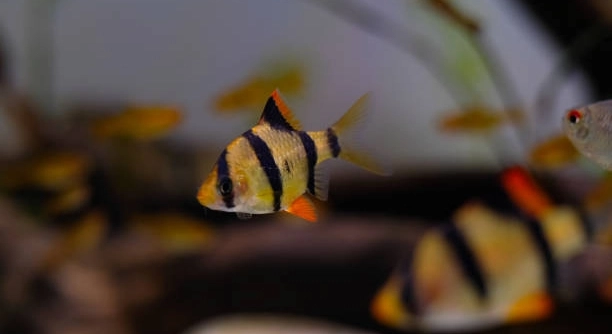
Tiger barbs are lively and colorful fish that bring energy to any aquarium. Setting up their tank correctly is important to keep them healthy and happy. Mistakes in their environment can cause stress and affect their behavior.
Common tank setup errors such as overcrowding, poor water quality, lack of hiding spots, inappropriate tank mates, incorrect temperature, inadequate filtration, and improper diet significantly increase stress levels in tiger barbs. These factors disrupt their natural behavior and can lead to illness.
Avoiding these mistakes will improve your tiger barbs’ well-being and create a more balanced, peaceful aquarium environment. Proper care promotes their vibrant nature and longevity.
Overcrowding and Stress
Keeping too many tiger barbs in one tank can quickly cause stress. These fish are active swimmers and need plenty of space to move freely. Overcrowding reduces oxygen levels and increases waste, which affects water quality. When stressed, tiger barbs may become aggressive or hide more than usual. A tank that is too small for the number of fish can also cause constant competition for food and territory. This leads to injuries or fin damage. It is important to follow recommended stocking guidelines and consider the adult size of tiger barbs before adding them to the tank. Providing enough room and proper water circulation helps maintain a calm environment where the fish can thrive naturally.
Overcrowding is one of the most common mistakes that directly impacts tiger barbs’ health and social behavior in captivity.
Giving tiger barbs enough space means a tank size of at least 20 gallons for a small group. Adding plants and decorations can create separate territories, reducing aggression. Monitoring water parameters frequently ensures the environment stays healthy. Proper filtration and regular water changes help keep water clean. Planning the number of fish carefully avoids overcrowding and promotes a peaceful tank where tiger barbs can swim actively without stress or injury.
Water Quality and Filtration
Poor water quality is a major source of stress for tiger barbs. These fish are sensitive to changes in pH, ammonia, and nitrate levels. Without proper filtration, waste builds up quickly and creates toxic conditions. The filter should be strong enough to handle the tank size and fish load. Regular water tests are necessary to catch problems early. Changing about 20-25% of the water weekly helps keep harmful chemicals low. Using a water conditioner can remove chlorine and chloramines from tap water, making it safe for fish. Clean water supports tiger barbs’ immune system and vibrant colors. Without good filtration and water care, these fish become weak and prone to disease. It is best to invest in a reliable filter and maintain a consistent cleaning schedule for a healthy aquarium.
Lack of Hiding Spots
Tiger barbs need places to hide and feel secure. Without adequate shelters, they become stressed and may display aggressive behavior or constant skittishness.
Adding plants, rocks, and decorations creates natural hiding spots. These provide refuge and help reduce tension in the tank. Dense planting with broad leaves or caves offers excellent cover. When hiding spots are missing, fish may compete for limited safe areas, increasing stress and aggression. Creating a balanced layout allows tiger barbs to retreat when overwhelmed, promoting calmer interactions. This also mimics their natural habitat, where they use hiding spots to rest and avoid threats. Ensuring enough shelters improves overall health and social dynamics in the aquarium.
When tiger barbs feel secure in their environment, they exhibit better coloring and more natural behavior. Hiding spots are simple but crucial for maintaining a low-stress tank and minimizing conflicts among fish.
Inappropriate Tank Mates
Choosing the wrong tank mates can raise stress levels in tiger barbs. Aggressive or very passive fish may cause tension or bullying.
Tiger barbs are semi-aggressive and active swimmers. They do best with other fast-moving, similarly sized fish that can handle their playful nipping. Slow, timid species may get stressed or injured. Avoid slow-moving fish with long fins, as tiger barbs tend to nip fins. Compatible species include danios, barbs, and certain tetras. Keeping tiger barbs in groups of at least six also helps reduce aggression within their own school. Careful selection of tank mates ensures a harmonious community tank, reducing stress for all fish involved. This balance supports healthy interactions and a lively aquarium environment.
Incorrect Temperature
Tiger barbs require stable water temperatures between 74°F and 79°F. Temperatures outside this range cause stress and weaken their immune system.
Sudden temperature changes also lead to shock, making fish more vulnerable to disease. Using a reliable heater and thermometer keeps the tank stable.
Improper Diet
A balanced diet is essential for tiger barbs to stay healthy and active. Feeding only one type of food can cause nutritional deficiencies and stress. Their diet should include high-quality flakes, pellets, and occasional live or frozen foods like brine shrimp or bloodworms. Overfeeding is also a problem, as leftover food pollutes the water and harms water quality. Feeding small amounts twice daily helps maintain a clean tank and promotes proper growth. Varying the diet keeps tiger barbs vibrant and supports their immune system.
Inadequate Filtration
Without proper filtration, waste builds up quickly, causing harmful ammonia and nitrate levels to rise. This is very stressful for tiger barbs and can lead to illness.
What causes aggression in tiger barbs?
Aggression in tiger barbs often results from overcrowding, lack of hiding spots, or improper tank mates. These fish are naturally semi-aggressive and can nip fins when stressed or bored. Keeping them in groups of six or more helps spread aggression evenly. Providing plenty of space and places to hide reduces fights. Avoiding slow or long-finned tank mates prevents unnecessary bullying. Aggression usually decreases when environmental conditions meet their needs.
How often should I change water in a tiger barb tank?
Regular water changes are essential for tiger barbs’ health. Changing 20-25% of the water weekly helps maintain water quality by removing toxins and waste. This routine prevents harmful ammonia and nitrate buildup. Using a water conditioner during changes ensures tap water is safe. Consistent water changes reduce stress and keep fish active and colorful.
Can tiger barbs live with goldfish?
Tiger barbs and goldfish should not share a tank. Goldfish prefer cooler water and produce more waste, which affects water quality. Tiger barbs need warmer water between 74°F and 79°F. Also, tiger barbs’ active nature and nipping behavior may stress goldfish. Keeping them separate ensures both species thrive in their ideal conditions.
What is the ideal tank size for tiger barbs?
A minimum of 20 gallons is recommended for a small group of tiger barbs. This size provides enough space for swimming and social interaction. Larger tanks are better for bigger groups or mixed species setups. Proper tank size reduces stress, prevents overcrowding, and supports stable water parameters.
How do I know if my tiger barbs are stressed?
Signs of stress include hiding excessively, loss of color, erratic swimming, and fin damage. Stressed tiger barbs may also become more aggressive or lethargic. Poor water quality, overcrowding, or inappropriate tank mates often cause these behaviors. Monitoring fish daily helps catch stress early.
What foods are best for tiger barbs?
Tiger barbs thrive on a varied diet. High-quality flakes or pellets form the base. Supplement with live or frozen foods like bloodworms, brine shrimp, or daphnia. Occasional vegetable matter, such as blanched spinach, is also beneficial. A varied diet ensures proper nutrition and vibrant colors.
How important is filtration for tiger barb tanks?
Filtration is crucial for maintaining water quality. Tiger barbs produce waste that breaks down into harmful substances. A filter removes debris and converts toxins into less harmful compounds. Proper filtration reduces ammonia and nitrate levels, preventing stress and disease. Selecting a filter rated for the tank size and performing regular maintenance keeps the system efficient.
Can tiger barbs tolerate fluctuations in water parameters?
Tiger barbs are sensitive to sudden changes in water parameters like pH, temperature, and hardness. Frequent fluctuations cause stress and weaken their immune systems. Keeping parameters stable within recommended ranges supports their health. Regular testing and proper equipment help maintain consistent conditions.
Do tiger barbs need a specific pH level?
Yes, tiger barbs prefer a pH between 6.5 and 7.5. Staying within this range ensures comfortable living conditions and proper metabolic function. Significant deviations can cause stress and illness. Using buffers and monitoring pH regularly helps maintain stability.
Is it necessary to quarantine new tiger barbs?
Quarantining new fish before adding them to the main tank prevents disease introduction. A separate quarantine tank for at least two weeks allows observation for signs of illness. This practice protects the existing fish population and maintains a healthy aquarium environment.
Setting up a tank for tiger barbs requires careful attention to their needs. Avoiding common mistakes such as overcrowding, poor water quality, and lack of hiding spots is important for their well-being. These fish are active and social, so giving them enough space and appropriate tank mates helps reduce stress and aggression. Maintaining stable water temperature and pH also supports their health. Regular care, including proper filtration and feeding, creates a balanced environment where tiger barbs can thrive.
Stress in tiger barbs often comes from their surroundings rather than the fish themselves. Overcrowded tanks or incompatible companions cause tension and behavioral problems. Poor water quality weakens their immune system, making them vulnerable to disease. Lack of shelters leaves them exposed and nervous. Recognizing these factors and addressing them improves their quality of life. Simple actions like adding plants or rocks, choosing suitable fish, and monitoring water conditions help create a peaceful tank. This leads to more natural behavior and better coloration.
Consistent care and observation are key to keeping tiger barbs healthy. Paying attention to their behavior and environment allows early detection of problems. Making adjustments when needed ensures stress is minimized. Feeding a varied diet, maintaining clean water, and avoiding sudden changes keep them active and vibrant. Although tiger barbs are hardy, they depend on a well-maintained tank to reach their full potential. Understanding their needs and preventing common mistakes results in a happier, longer life for these lively fish.

Hello,
If you enjoy the content that we create, please consider saying a "Thank You!" by leaving a tip.
Every little bit helps us continue crafting quality advice that supports the health, happiness, and well-being of pets around the world, for pets of all shapes, sizes, and species.
We really appreciate the kindness and support that you show us!