
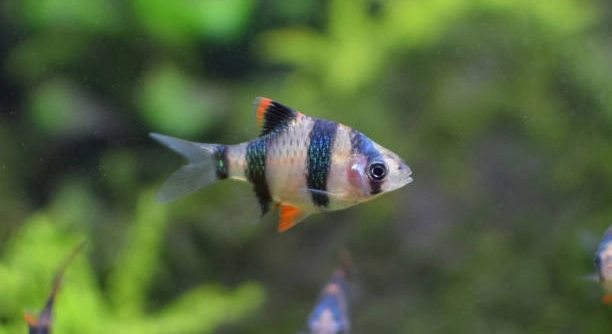
Do your tiger barbs seem to be swimming in odd angles or even flipping upside down at times? This behavior can feel alarming. Understanding what’s behind these movements can help you respond more calmly and confidently.
Tiger barbs swimming upside down is usually a sign of swim bladder disorder, a condition affecting their buoyancy. This disorder is often caused by overfeeding, constipation, bacterial infections, or sudden water quality changes within the tank.
Learning what causes swim bladder issues and how to care for your fish properly can help restore their health and prevent future problems.
What Swim Bladder Disorder Looks Like
When tiger barbs start swimming upside down, sideways, or struggling to stay upright, it usually means there’s something wrong with their swim bladder. This organ helps them balance and move through the water properly. If it’s not working right, their control over movement changes. You might see your fish floating near the surface, sinking to the bottom, or even spinning while swimming. Sometimes, their belly may appear bloated. These signs are usually linked to swim bladder disorder, which isn’t a disease itself but a symptom of an internal issue. Causes can include overeating, poor diet, or even bacterial infections. A sudden drop in water quality can also play a role. Keeping an eye on your tiger barb’s behavior is important, as early signs can sometimes be reversed with quick action. Adjustments to feeding routines and tank care often help, especially if the issue is caught before it becomes too serious.
Always check your water parameters when odd behavior appears. Poor water quality is a common reason for stress in fish.
Regular tank maintenance, gentle handling, and consistent feeding can make a big difference. If the swim bladder issue persists despite changes, it may be time to consult an aquatic vet. Acting early often prevents long-term harm.
Feeding Habits That May Cause Issues
Overfeeding is one of the top reasons tiger barbs experience swim bladder problems. They tend to eat quickly, swallowing air as they grab food from the surface. This can lead to bloating and digestion problems that affect the swim bladder. Feeding large portions, especially of dry food like flakes or pellets, can make matters worse. When dry food expands in the fish’s stomach, it can press against the swim bladder. Offering small portions multiple times a day instead of one large meal can help. Soaking dry food before feeding softens it and reduces the risk of air swallowing. Also, include a varied diet—frozen foods and boiled vegetables like peas are easier to digest. If your fish already shows symptoms, try fasting them for 24–48 hours, then feed a shelled pea to ease constipation. Careful feeding habits not only reduce the risk of swim bladder issues but also support overall health and balance in your tank.
How Water Conditions Affect Swim Bladder Health
Dirty water and sudden changes in temperature or pH can stress tiger barbs and weaken their immune system. This stress can lead to infections or inflammation that affects the swim bladder and makes swimming normally much harder for them.
Tiger barbs need stable, clean water to stay healthy. Ammonia, nitrites, and high nitrates can all harm their internal organs. Use a good filter, and test your water weekly to check these levels. Keep the temperature steady between 74°F and 79°F. Rapid temperature shifts can cause shock or weaken their resistance to illness. If your fish are swimming oddly, check the water right away. A water change can sometimes help immediately. Also, avoid overcrowding the tank, as this adds stress and increases waste, which worsens water quality. Simple routines—like weekly water changes and not overfeeding—can prevent many issues before they start.
Changing too much water at once can also stress the fish. Aim to replace 20–30% weekly rather than large amounts at once. Always treat tap water with a dechlorinator before adding it to the tank. Keep tank decorations clean, but avoid using soaps or chemicals, as they can leave harmful residues behind. Consistency is what keeps your tank balanced and your fish healthy.
Common Infections That Cause Buoyancy Problems
Bacterial and parasitic infections can inflame internal organs, especially the swim bladder. You may notice clamped fins, loss of color, or lack of appetite before the swimming issues begin. These signs often appear before the fish floats or sinks abnormally.
Internal bacterial infections, like Aeromonas or Pseudomonas, are more common in tanks with poor water quality or injured fish. These infections can cause swelling that presses on the swim bladder. Antibiotic treatments added to the water can help, but make sure to remove carbon from your filter first, or it will absorb the medicine. Quarantining sick fish is a smart step to prevent spreading illness to others. If you notice stringy white poop or bloating, it could also point to internal parasites. Anti-parasitic food or treatments may be needed. Always identify the exact issue before treating, since using the wrong medicine can stress the fish further. Clean water supports faster recovery.
Physical Injuries and Their Effects
Physical trauma can affect the swim bladder if the fish is bumped during transport, chased by tankmates, or injured on rough decorations. Swelling or bruising near the belly can lead to trouble swimming normally.
Tiger barbs kept with aggressive fish may get stressed or injured more often. Always choose peaceful tankmates.
Preventative Care Measures
Preventing swim bladder problems starts with consistent care. Feed a balanced diet in small portions, avoid overfeeding, and include fiber-rich options like blanched peas. Test water weekly and perform regular partial water changes. Avoid overcrowding to reduce stress. Handle your fish carefully, especially during transfers or tank cleanings.
When to Consider Euthanasia
If a tiger barb remains unable to swim for weeks despite treatment and is showing signs of suffering, euthanasia may be the kindest choice. Consult a vet or follow humane methods using clove oil to ensure it’s done gently and painlessly.
FAQ
Why are my tiger barbs swimming upside down?
Tiger barbs swimming upside down usually have swim bladder disorder, which affects their ability to control buoyancy. This condition may result from overfeeding, constipation, infections, or poor water quality. The swim bladder is an organ that helps fish maintain balance. When it malfunctions, the fish lose their normal swimming posture.
Can diet fix swim bladder issues?
Yes, adjusting diet can help. Feeding small portions and including easily digestible foods like shelled peas can relieve constipation, a common cause of swim bladder problems. Avoid dry flakes that expand in the stomach and cause bloating. Fasting your fish for a day or two before feeding peas often improves digestion and buoyancy.
How important is water quality for swim bladder health?
Water quality is crucial. High levels of ammonia, nitrites, or nitrates stress fish and can lead to infections affecting the swim bladder. Regular water testing, proper filtration, and weekly partial water changes keep conditions stable and reduce risks. Sudden changes in temperature or pH can also cause swim bladder issues.
Can swim bladder disorder be contagious?
Swim bladder disorder itself isn’t contagious, but the underlying infections causing it, such as bacterial or parasitic infections, can spread between fish. Quarantining new or sick fish and maintaining clean water helps prevent the spread of illness.
Is treatment always necessary?
Mild cases often improve with dietary changes and better water conditions. More severe or infection-related cases may require medication. Antibiotics or antiparasitic treatments should be used carefully and only when necessary, following diagnosis or vet advice.
Can tankmates cause swim bladder problems?
Aggressive tankmates can stress or injure tiger barbs, leading to physical trauma that affects the swim bladder. Stress alone weakens immunity and may allow infections to develop. Choosing peaceful companions and providing enough space reduces these risks.
How long does it take for swim bladder issues to improve?
Improvement varies. Minor cases may clear up in a few days with proper care. Severe infections or injuries might take weeks. Consistent treatment and water care increase chances of recovery. Persistent problems may require professional veterinary attention.
What should I avoid feeding my tiger barbs?
Avoid feeding only dry flakes or pellets, as they can expand and cause bloating. Overfeeding and offering food that lacks fiber may also lead to constipation. Avoid feeding large portions in one sitting. Vary the diet with frozen, live, or vegetable-based foods for better digestion.
Can swim bladder problems recur?
Yes, they can. Poor feeding habits, unstable water conditions, and stressful environments often cause recurring problems. Maintaining a balanced diet and stable tank conditions are key to preventing repeat issues.
Is it possible to prevent swim bladder disorder completely?
While not always preventable, many cases can be avoided with good care. Consistent water quality, proper feeding routines, careful handling, and choosing compatible tankmates reduce risks significantly. Early detection of behavioral changes allows quicker intervention.
When should I consider professional help?
If your tiger barb shows no improvement after a week of care or if symptoms worsen, seeking advice from a vet experienced with fish is important. They can provide accurate diagnosis and prescribe appropriate treatments that are not available over the counter.
How to safely fast tiger barbs?
Fasting for 24 to 48 hours helps clear their digestive system. During this period, avoid feeding any food. This method can reduce constipation and relieve pressure on the swim bladder. After fasting, feed a small amount of shelled peas to aid digestion.
Are there tank setup tips to reduce swim bladder issues?
Yes, keep the tank clean with a reliable filter and avoid overcrowding. Maintain stable temperature and pH. Provide hiding spots but avoid sharp or rough decorations that might injure the fish. Regular water changes and monitoring parameters help keep the environment healthy.
Can stress alone cause swim bladder disorder?
Stress weakens the immune system, making fish more vulnerable to infections that affect the swim bladder. Stress factors include poor water quality, aggressive tankmates, sudden environmental changes, and overcrowding. Reducing stress is an important part of prevention and recovery.
What is the best food to help prevent constipation?
Blanched peas without shells are effective in preventing constipation. They provide fiber and help move waste through the digestive system. Supplementing the diet with high-quality frozen or live foods also supports healthy digestion.
Is it okay to treat swim bladder disorder with over-the-counter medications?
Using over-the-counter medications without proper diagnosis can be harmful. It’s better to first improve water conditions and diet. If symptoms persist, consult a vet before starting treatments to avoid worsening the problem.
How does temperature affect tiger barbs’ swim bladder?
Temperature outside the recommended range (74°F–79°F) can stress tiger barbs and slow digestion, increasing swim bladder risks. Sudden changes may shock their system. Keeping stable temperature helps maintain overall health and normal swim bladder function.
Can I separate a sick fish with swim bladder issues?
Separating sick fish in a quarantine tank is often recommended. It reduces stress and prevents the spread of infections. It also allows focused treatment and easier monitoring of symptoms.
What signs indicate that a swim bladder problem is severe?
Severe signs include inability to swim upright, constant sinking or floating, loss of appetite, rapid breathing, and lethargy. These symptoms require immediate action and possibly professional care.
Are swim bladder disorders reversible?
Many cases are reversible with proper care, diet adjustment, and improved water quality. Some infections can be treated with medication. However, permanent damage from injuries or chronic infections may limit recovery. Early intervention increases chances of reversal.
Final thoughts on why tiger barbs swim upside down center on understanding the swim bladder and how to care for your fish properly. Swim bladder disorder is a common reason for this unusual behavior, but it is often treatable with the right steps. Paying attention to feeding habits, water quality, and tank environment can greatly reduce the chances of this problem developing. It is important to recognize the signs early and respond with appropriate care to help your tiger barbs regain their normal swimming ability.
Taking care of water quality is one of the most important actions you can take as a fish owner. Clean, stable water supports the overall health of tiger barbs and reduces stress that may lead to illness. Testing water regularly for ammonia, nitrites, and nitrates is a good habit. Regular partial water changes also keep the environment safe for your fish. Avoid overcrowding and sudden changes in temperature or pH, as these factors increase stress and make swim bladder problems more likely. A well-maintained tank creates a better home for your fish and helps prevent many common health issues.
Feeding your tiger barbs a balanced diet in proper amounts is essential for their wellbeing. Overfeeding or giving dry foods that expand in the stomach can cause constipation, which presses on the swim bladder and affects buoyancy. Including fiber-rich foods like shelled peas can help digestion and reduce the risk of swim bladder disorder. If you notice unusual swimming behavior, adjusting the diet and fasting the fish briefly may help relieve symptoms. If swim bladder problems persist despite these changes, it is best to seek advice from an aquatic veterinarian. Proper care and attention will give your tiger barbs the best chance to recover and stay healthy over time.

Hello,
If you enjoy the content that we create, please consider saying a "Thank You!" by leaving a tip.
Every little bit helps us continue crafting quality advice that supports the health, happiness, and well-being of pets around the world, for pets of all shapes, sizes, and species.
We really appreciate the kindness and support that you show us!