
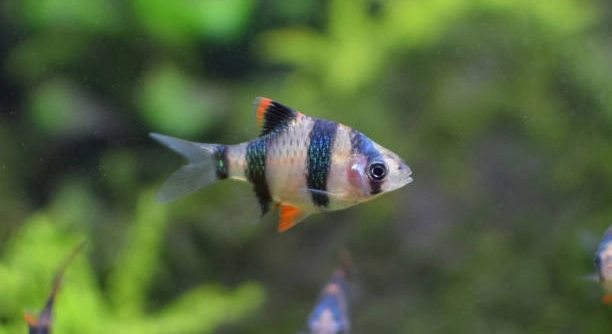
Is your tiger barb staying the same size no matter what you do to help it grow? You’re not alone in this. Many fish owners face slow or stunted growth in their tropical fish tanks.
The main reasons your tiger barb isn’t growing include poor water quality, improper diet, overcrowding, stress, inadequate tank size, lack of enrichment, and inconsistent temperature. These factors can significantly slow development or prevent healthy growth altogether.
Understanding what might be affecting your tiger barb’s growth can help you make simple but effective changes to improve its well-being.
Poor Water Quality
Tiger barbs need clean water to grow well. Dirty tanks can slow their development and cause long-term health issues. High ammonia, nitrites, or nitrates create a toxic environment that stresses the fish and weakens their immune system. Even small spikes in these levels may impact their appetite and behavior. Regular water testing helps you track these conditions. Partial water changes—about 25% weekly—remove waste and keep the tank balanced. A good filtration system is also important. It clears out debris and supports healthy bacteria. Avoid overfeeding, as uneaten food breaks down and pollutes the water. Clean the gravel using a siphon to remove buildup. Maintaining proper water conditions doesn’t take much time, but it makes a big difference. Healthy water gives your tiger barb the foundation it needs to grow.
Poor water quality often goes unnoticed, but it can slow growth quietly over time and lead to long-term damage.
If your tiger barb seems small or sluggish, checking your water parameters should be your first step. Ammonia levels above zero, or nitrates over 40 ppm, can become harmful. Use a water test kit weekly, and look out for signs like cloudy water, algae overgrowth, or bad smells. These may signal an imbalance. If problems show up, do a water change right away and clean the filter without using soap. Letting water sit out for 24 hours before adding it can also help, as it removes chlorine. Don’t forget to monitor water temperature, keeping it between 74–79°F (23–26°C), which suits tiger barbs best. With steady care and testing, your water can stay safe and support healthy growth.
Inadequate Diet
Feeding your tiger barb the wrong food may limit its growth and leave it malnourished over time.
Tiger barbs need a varied and balanced diet that includes both protein and plant matter. Relying only on flakes may not give them everything they need. Add high-quality pellets, frozen brine shrimp, bloodworms, and blanched vegetables like zucchini or spinach. Feed them small amounts two to three times a day, and avoid overfeeding, which pollutes the tank and stresses the fish. Rotate their food regularly to prevent nutrient gaps. Check that food pieces are small enough for them to eat comfortably. Poor nutrition affects not just growth but also their energy and color. If your tiger barb seems dull or less active, it may be missing essential nutrients. Stick to trusted brands and avoid fillers like wheat or soy as primary ingredients. With a better feeding routine, you’ll see noticeable changes in both size and behavior.
Overcrowded Tank
Too many fish in one tank can affect how well your tiger barb grows. Overcrowding leads to stress, poor water quality, and competition for food, all of which slow down development.
Tiger barbs are active swimmers that need space to move. When tanks are overcrowded, waste builds up faster, oxygen levels drop, and fish often become aggressive. This creates a constant state of stress, which limits growth. Even if the water looks clean, the conditions may not be stable. A group of five to seven tiger barbs should have at least a 20-gallon tank. Larger groups need even more space. Also, limit other fish species that may compete for the same space and resources. If your tank feels cramped or your tiger barbs are often hiding or chasing each other, it’s a clear sign they need more room.
Reducing the number of fish or upgrading to a bigger tank can ease stress and encourage growth. This change supports better oxygen flow and reduces competition at feeding time. Make sure your tank has open swimming areas and not just decorations or plants. Rearranging the setup can also help create more space without removing fish. Adding an extra filter may assist with water quality in crowded setups, but it won’t fix space issues on its own. Check stocking levels using an online calculator or guide based on adult fish size, not juveniles. Giving each fish enough room helps their health and makes the tank easier to manage.
Stress and Aggression
Constant stress stops your tiger barb from growing normally. Chasing, nipping, loud environments, or sudden changes all play a role in slowing development and harming overall health.
Tiger barbs are known for being active, but they can also become aggressive when housed improperly or when their group size is too small. Keeping them in groups of five or more helps spread out aggression. Small groups tend to fight more, causing stress and minor injuries. Also, avoid pairing them with slow or long-finned fish, as this leads to constant chasing. Loud noises or sudden lighting changes can also stress your tiger barb. Keep the tank in a quiet spot away from TVs or high-traffic areas. Use a timer for consistent lighting—eight to ten hours per day is enough. If you notice hiding, fast breathing, or pale colors, stress may be the reason. Fixing these triggers can help your tiger barb return to a healthy growth rate.
Tank Is Too Small
A small tank limits your tiger barb’s ability to swim freely and grow properly. Space helps regulate movement, behavior, and stress levels. Without enough room, growth slows and health problems become more likely over time.
A cramped tank also makes it harder to maintain water quality. Waste builds up faster, and the filter may not be strong enough to keep up. Smaller volumes of water can also experience temperature swings that stress your fish. Aim for at least 20 gallons for a small group, and increase the size if you plan to keep more fish.
Inconsistent Temperature
Temperature changes can affect how your tiger barb eats, moves, and grows. Sudden drops or spikes in water temperature cause stress and weaken their immune system. Use a reliable aquarium heater and thermometer to keep the water stable between 74–79°F. Avoid placing the tank near windows, heaters, or air vents.
Lack of Enrichment
Tiger barbs need more than food and water. A dull tank with no variety can lead to boredom, stress, and slow growth. Simple additions like plants, hiding spots, and open swimming space help keep them active and healthy.
FAQ
How long does it take for a tiger barb to grow to full size?
Tiger barbs usually reach their full size in about six to twelve months. Growth depends on several factors like diet, water quality, tank size, and stress levels. In ideal conditions, most tiger barbs grow steadily, reaching around two to three inches in length. Some may grow faster than others, especially if they are kept in a properly maintained tank with balanced nutrition and a stable environment. Poor conditions can slow this process or even stop growth altogether. Regular care and observation help make sure your tiger barb develops at a healthy pace.
What do I feed tiger barbs to help them grow?
A balanced diet with both protein and plant matter supports healthy growth. Feed them high-quality flakes or pellets as the base of their diet. Add in protein-rich options like frozen or live brine shrimp, bloodworms, and daphnia two to three times a week. You can also offer blanched vegetables like spinach or zucchini for variety. Avoid feeding just one type of food. Rotate between protein and plant-based meals to make sure they’re getting all the nutrients they need. Stick to small portions, and feed them twice a day to avoid overfeeding and waste buildup.
Can water changes help my tiger barb grow?
Yes, regular water changes are important for healthy growth. Dirty water holds toxins like ammonia and nitrates, which can stress your fish and slow development. Change 20–30% of the water weekly to remove waste and refresh the environment. Always use a water conditioner to treat tap water before adding it to the tank. Keep the temperature of the new water close to the tank’s current temperature to avoid sudden changes. Clean gravel and decorations if you notice buildup. Clean, stable water makes it easier for your tiger barb to stay healthy and grow steadily.
Why is my tiger barb smaller than the others?
Size differences are common, especially in groups. A tiger barb that’s noticeably smaller might be getting pushed aside during feeding or suffering from stress. It may also be more sensitive to water changes or temperature shifts. In some cases, it could be due to genetics. Observe feeding time closely and check that each fish gets enough food. Rearranging the tank or temporarily separating fish may help smaller ones thrive. Also, check for signs of illness or injury, which can also slow growth. A few small changes may help the smaller fish catch up over time.
Do tiger barbs grow faster in bigger tanks?
Yes, a bigger tank usually helps them grow faster. Larger tanks give them more space to swim, reduce stress, and make it easier to manage water quality. Smaller tanks can feel cramped and lead to territorial behavior, poor water flow, and more frequent ammonia spikes. In a bigger tank, there’s more room for exercise and less competition for food. Growth depends on several factors, but tank size definitely plays a role. A 20-gallon tank is a good start for a small group, but larger setups offer even more benefits for long-term growth and health.
Is aggression a reason why tiger barbs don’t grow well?
Yes, aggression can cause chronic stress, which affects growth. Tiger barbs may nip or chase each other, especially when kept in small groups or tight spaces. This stress causes them to eat less and use energy to deal with tension instead of growing. Keeping them in groups of five or more can reduce bullying. Avoid pairing them with long-finned or slow-moving fish. Watch their behavior and adjust the tank setup if needed. Adding plants, rocks, or driftwood gives them places to hide and break up sightlines, which can reduce fighting and create a calmer tank.
Do lighting and tank placement affect growth?
Lighting and where you place the tank can influence fish behavior and comfort. Bright or inconsistent lighting may stress fish, while consistent lighting helps support natural rhythms. Keep lights on for about 8–10 hours per day using a timer. Avoid placing the tank near windows or TVs, where sudden light changes or movement may frighten your tiger barb. A stable environment allows them to focus on normal activities like eating and swimming. Stress caused by noise or flashing lights can slow down growth. A quiet, dim corner with gentle lighting is usually best.
How can I tell if my tiger barb is healthy?
Healthy tiger barbs are active, have bright colors, and swim in groups. They eat eagerly, explore the tank, and rarely hide unless resting. Their fins should be clear and upright, not torn or clamped. Signs of trouble include pale colors, staying near the bottom, fast breathing, or refusing food. You may also notice strange swimming patterns or signs of injury. Check water conditions first if something feels off. A healthy tiger barb shows interest in its surroundings and responds well at feeding time. Regular care helps catch problems early and keeps growth on track.
Final Thoughts
Tiger barbs are active, hardy fish, but they still need the right conditions to grow and stay healthy. If your tiger barb isn’t growing, it usually means something in the tank setup or care routine needs to be adjusted. Poor water quality, stress, lack of space, or an unbalanced diet can all affect their development. These issues may not always show clear signs at first, but they add up over time and slow down growth. Paying attention to small details—like checking water parameters or offering better food—can make a big difference. Keeping your tank clean and consistent will give your tiger barbs the support they need to grow properly.
Every tiger barb has slightly different needs depending on its environment, but most benefit from similar care steps. Make sure the tank is large enough, has proper filtration, and includes both open swimming areas and hiding spots. Feed your fish a varied diet with the right balance of nutrients. Monitor your fish regularly so you can spot changes early, such as a drop in activity or color. Aggression, overcrowding, and rapid temperature shifts are also common reasons for slowed growth. Fixing these areas may take time, but steady improvements often lead to better results. Small changes can lead to healthier, more active fish that grow steadily over time.
Watching your tiger barb thrive can be rewarding, and growth is a good sign that your care is working. Stay consistent with water changes, feeding routines, and tank maintenance. Be patient, as it may take several months to notice full growth. Even if your fish seem slow to grow at first, a calm, balanced environment usually encourages steady progress. If your tiger barb is still not growing after making improvements, it could be due to genetics or past stress. In that case, focus on giving the fish a peaceful and clean tank where it can stay comfortable. Healthy behavior and appearance matter just as much as size. With regular care and attention, your tiger barbs can remain active, colorful, and strong throughout their life.

Hello,
If you enjoy the content that we create, please consider saying a "Thank You!" by leaving a tip.
Every little bit helps us continue crafting quality advice that supports the health, happiness, and well-being of pets around the world, for pets of all shapes, sizes, and species.
We really appreciate the kindness and support that you show us!