
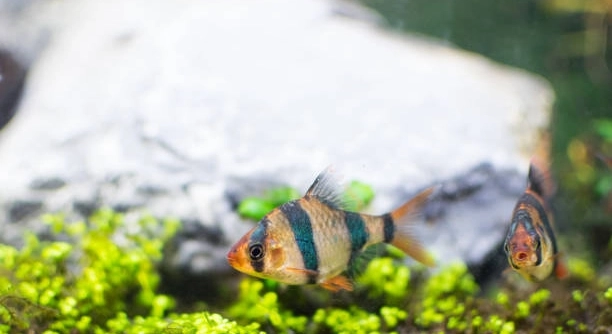
Keeping different fish species together can be an exciting way to create a lively aquarium. Many fish owners enjoy mixing varieties to see how they interact. Tiger barbs and goldfish are two popular choices for home tanks.
Tiger barbs and goldfish generally should not be housed together. Their differing water temperature needs, activity levels, and temperaments make cohabitation stressful and unsafe for both species. Proper care requires keeping them in separate environments.
Learning about their specific needs helps maintain a healthy aquarium. This guide will offer insights to support your fish’s well-being and keep your tank balanced.
Differences in Water Temperature Needs
Tiger barbs prefer warmer water, usually between 74 and 79 degrees Fahrenheit. Goldfish, on the other hand, thrive in cooler water ranging from 65 to 75 degrees. This temperature gap makes it difficult to maintain a comfortable environment for both species in one tank. If the water is too warm for goldfish, it can cause stress and shorten their lifespan. Conversely, if the water is too cool for tiger barbs, they may become sluggish and more prone to illness. Keeping both fish together means compromising their health due to these conflicting temperature requirements. For aquarium owners who want to keep both species, separate tanks with suitable conditions for each fish type are the best solution.
Maintaining proper water temperature is crucial to avoid health problems in both tiger barbs and goldfish. Temperature mismatch creates stress, which weakens their immune systems.
Understanding the importance of correct water temperature helps ensure your fish remain active and healthy. Creating distinct environments tailored to each species supports their natural behaviors and well-being.
Behavioral Differences and Compatibility
Tiger barbs are very active and sometimes aggressive swimmers. They tend to nip fins and chase other fish, which can stress more peaceful goldfish. Goldfish are calmer and prefer a slower-moving tank. The energetic nature of tiger barbs often disrupts the calm environment goldfish need to thrive. Aggression or constant chasing can lead to injuries and stress-related diseases for goldfish. Because of these strong behavioral differences, mixing these two species in one tank usually results in an unhealthy atmosphere. It is better to keep tiger barbs with other fast, robust fish and goldfish with similarly calm species. This approach reduces stress and promotes a balanced aquarium community where each fish can live comfortably.
Tank Size and Environment
Tiger barbs need a tank of at least 20 gallons to swim freely. Goldfish require even larger tanks, typically 30 gallons or more, due to their size and waste production. Crowding either species can lead to poor water quality and health issues.
Providing enough space helps reduce stress and aggression in tiger barbs. Goldfish benefit from spacious tanks that allow steady swimming and proper filtration to handle their higher waste levels.
Both species require different environments regarding plants and decorations. Tiger barbs like hiding spots and plants they can swim through, while goldfish may uproot plants, so hardy or artificial plants are better for mixed setups.
Feeding and Diet Differences
Tiger barbs eat a varied diet, including flakes, pellets, and live food like bloodworms. They need high-protein food to support their active lifestyle. Goldfish are mostly herbivores, eating flakes, pellets, and vegetables like peas and spinach. Overfeeding or feeding the wrong type of food can cause health problems in both species.
Because their diets differ significantly, feeding both in the same tank can be challenging. Goldfish may miss out on proper nutrition if the focus is on tiger barbs’ protein needs. Conversely, tiger barbs can become unhealthy if fed mainly the lower-protein diet suited for goldfish. Separate feeding routines are essential to keep both fish healthy and thriving.
Water Quality and Filtration
Goldfish produce a lot of waste, which can quickly pollute the tank water. Tiger barbs are more sensitive to poor water quality. Keeping both species together makes maintaining clean water difficult and increases the risk of illness for both fish.
Strong filtration is necessary to handle the waste from goldfish. Frequent water changes help keep ammonia and nitrate levels low, benefiting both species. Without proper filtration, the tank environment can become toxic quickly.
Stress and Health Risks
Mixing tiger barbs with goldfish often causes stress. Stress weakens the immune system and makes fish more vulnerable to diseases. Aggressive behavior from tiger barbs can injure goldfish, leading to infections or slower healing.
Social Behavior Differences
Tiger barbs prefer to be in groups of five or more to reduce aggression. Goldfish are social but less aggressive, often enjoying peaceful tank mates. Combining these social needs is challenging in a shared tank.
Can tiger barbs live peacefully with goldfish?
No, tiger barbs and goldfish generally do not live peacefully together. Tiger barbs are active and sometimes aggressive fish that may nip at goldfish fins. Goldfish are calmer and slower, which makes them vulnerable to stress and injury when kept with tiger barbs. Their different needs for water temperature and tank environment also make cohabitation difficult.
What tank size is suitable for keeping tiger barbs and goldfish?
Tiger barbs require at least a 20-gallon tank, while goldfish need much larger tanks, usually 30 gallons or more. If kept together, the space needed to accommodate both species comfortably becomes very large. Overcrowding can cause stress and poor water quality, so it is best to keep them in separate tanks that suit their specific size and activity levels.
How do water temperature needs affect compatibility?
Tiger barbs prefer warmer water between 74°F and 79°F. Goldfish thrive in cooler water between 65°F and 75°F. These differing temperature requirements make it nearly impossible to create a comfortable environment for both fish in the same tank. Running a tank at a temperature good for one species will stress the other, potentially leading to illness.
Are their dietary needs compatible?
No, tiger barbs and goldfish have different diets. Tiger barbs require a high-protein diet that includes flakes, pellets, and live or frozen foods like bloodworms. Goldfish are primarily herbivores and do well with vegetable matter, flakes, and pellets made for goldfish. Feeding them together is difficult because they need different food types and quantities for good health.
Can aggressive behavior from tiger barbs harm goldfish?
Yes, tiger barbs can be aggressive and may nip the fins of goldfish. This behavior stresses goldfish and can cause physical injuries, leading to infections or slow healing. Goldfish are peaceful and do not defend themselves aggressively, so injuries from tiger barbs can be serious.
How does waste production affect their tank environment?
Goldfish produce a lot of waste, which can quickly pollute the tank water. Tiger barbs are more sensitive to poor water quality. This means tanks housing both species need very strong filtration and frequent water changes to keep ammonia and nitrate levels safe. Without proper maintenance, the water can become toxic and harm both fish.
Do tiger barbs and goldfish have different social behaviors?
Yes, tiger barbs are schooling fish that do best in groups of five or more. This reduces their aggression and helps them feel secure. Goldfish are social but much calmer and don’t require large groups. Mixing their social needs in one tank is challenging, and tiger barbs’ active schooling behavior can overwhelm goldfish.
Is it better to keep tiger barbs and goldfish separately?
Definitely. Keeping tiger barbs and goldfish in separate tanks allows each species to have the right water temperature, space, diet, and social environment. This reduces stress, prevents aggression, and supports better overall health for both types of fish.
What tank mates are better options for tiger barbs?
Tiger barbs do well with other active, similarly sized fish that can handle their nipping behavior. Examples include other barbs, danios, and some types of tetras. Avoid slow-moving or long-finned fish to reduce injury and stress.
What tank mates are suitable for goldfish?
Goldfish thrive with peaceful, slow-moving fish that enjoy cooler water. Other goldfish or compatible cold-water species like white cloud mountain minnows can be good tank mates. Avoid aggressive or fast fish that may stress goldfish.
How can I reduce aggression in a community tank with tiger barbs?
Keeping tiger barbs in groups of at least five helps reduce aggression. Providing plenty of hiding spots and plants also gives fish places to retreat. Feeding on schedule and maintaining good water quality reduce stress, which lowers aggressive behaviors.
What signs show stress or illness in goldfish and tiger barbs?
Signs include hiding, loss of appetite, faded colors, clamped fins, or unusual swimming patterns. Goldfish may develop fin rot from nipping, while tiger barbs might become lethargic if water quality is poor. Regular observation helps catch problems early.
Can temperature fluctuations harm tiger barbs or goldfish?
Yes, sudden changes in temperature cause stress and weaken immune systems. Both species need stable water temperatures suited to their needs. Avoid placing tanks near drafts, heaters, or direct sunlight to keep conditions steady.
How often should water changes be done with goldfish and tiger barbs?
Water changes should be done weekly, about 25-30%, to maintain good water quality. Goldfish tanks may require more frequent changes due to higher waste production. Regular testing of ammonia, nitrite, and nitrate levels helps guide maintenance.
Are there special equipment needs for keeping these fish?
Goldfish tanks benefit from strong filtration and good aeration because they produce much waste and need oxygen-rich water. Tiger barbs need heaters to keep water warm and filters suited to their smaller size but active swimming. Tailoring equipment to each species is important.
When deciding whether to keep tiger barbs and goldfish together, it is important to consider their basic needs and natural behaviors. These two types of fish have very different requirements for water temperature, diet, and tank environment. Tiger barbs are active and prefer warmer water, while goldfish are calmer and need cooler water. Trying to house them in the same tank often means one or both species will face stress or health problems. Giving each fish the right conditions is key to helping them live longer and healthier lives.
Another important factor is how these fish behave around each other. Tiger barbs are known to be somewhat aggressive and may nip at the fins of slower, peaceful fish like goldfish. Goldfish do not usually defend themselves and can become stressed or injured when around nippy fish. Stress can lead to illness and reduce their overall well-being. Because of these behavioral differences, it is generally not recommended to mix tiger barbs and goldfish in the same aquarium. Keeping them separate allows each species to live comfortably without fear of injury or stress.
Finally, caring for both tiger barbs and goldfish properly means providing suitable tank sizes, clean water, and a balanced diet. Goldfish grow quite large and produce a lot of waste, which means their tanks need strong filtration and frequent cleaning. Tiger barbs require a warmer, more planted tank with space to swim actively in groups. Mixing these needs in one tank can be difficult and may harm both fish. Overall, it is better to keep tiger barbs and goldfish in separate tanks that meet their individual needs. Doing so will help both fish stay healthy and enjoy a better quality of life.

Hello,
If you enjoy the content that we create, please consider saying a "Thank You!" by leaving a tip.
Every little bit helps us continue crafting quality advice that supports the health, happiness, and well-being of pets around the world, for pets of all shapes, sizes, and species.
We really appreciate the kindness and support that you show us!