
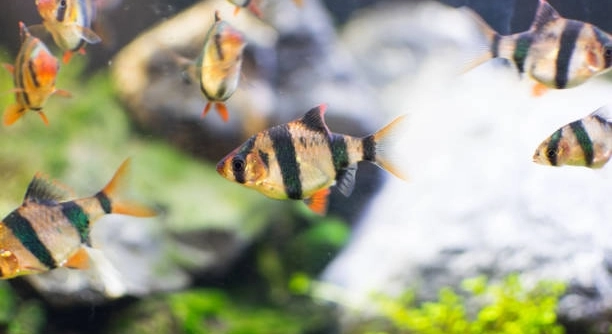
Do you ever find yourself watching your tiger barbs swim calmly, only to be startled when one suddenly jumps from the tank?
Tiger barbs typically jump due to stress, poor water quality, or sudden environmental changes. These conditions trigger a flight response, prompting the fish to escape perceived danger. Lack of a secure tank lid can increase this behavior.
Learning what causes this can help you create a safer, more stable home for your fish and avoid unexpected accidents in the future.
Common Reasons Why Tiger Barbs Jump
Tiger barbs may jump for several reasons, but the most common one is stress. Changes in water quality, tank conditions, or sudden movements around the aquarium can cause this behavior. If the water has high ammonia or nitrate levels, fish may feel uncomfortable and try to escape. Aggressive tank mates or overcrowding can also be a factor. Tiger barbs are active fish that need space to swim, so a small or cluttered tank can create tension. They may also jump when startled, especially if the tank is near a busy area. Poor lighting schedules or loud noises can contribute to their sense of unease. Lastly, jumping might occur during feeding if the fish become overly excited. Each of these triggers ties back to how safe and balanced the tank feels to your fish. Keeping the tank calm and clean is one of the best ways to prevent jumping.
Keep an eye on how your fish act after changes to their environment or routine.
If you notice increased jumping, start by checking water conditions. Use a water testing kit to make sure levels are safe. If ammonia or nitrites are high, do a partial water change and monitor closely. Make sure your tank has proper filtration and is not overcrowded. Consider whether your tiger barbs are getting chased or nipped by other fish. If so, rearrange the tank décor to give them more hiding spots or think about separating aggressive species. Also, avoid placing the tank in a high-traffic area. The noise and movement can lead to anxiety. Ensure the tank has a secure lid to stop accidental escapes. Feeding time should also be calm and consistent—too much activity around the tank may startle the fish. Making small, steady improvements to their space can reduce stress and lower the chances of jumping behavior.
Natural Instincts and Tank Setup
Tiger barbs are naturally energetic, and their instinct to explore can sometimes lead them to jump.
In the wild, many fish jump to avoid predators or to move between water sources. While this doesn’t apply directly to your aquarium, that instinct is still present. A secure tank setup can help limit opportunities for jumping. Use a tight-fitting lid with no gaps, especially around filter openings. Ensure your aquarium has plenty of space and plants to explore—this keeps them mentally and physically active without needing to escape. A tank that’s too small or empty can cause boredom or agitation. Keep the lighting on a regular cycle, and avoid sudden changes in brightness. Your fish need structure to feel calm. A balanced diet and a routine feeding time also add to their sense of stability. When your tiger barbs feel safe and enriched in their space, they are much less likely to try jumping out.
How Water Conditions Influence Behavior
Dirty or unstable water can stress your tiger barbs, making them more likely to jump. Poor filtration, irregular water changes, and sudden temperature shifts all play a role in their stress levels and overall activity.
When the water isn’t clean, your tiger barbs can feel uncomfortable or even sick. Ammonia, nitrite, and nitrate levels can rise quickly, especially in overcrowded tanks or when filters are not working properly. High toxin levels can affect their breathing and movement. If the temperature swings too fast or drops suddenly, they may try to escape what feels like danger. Even pH changes can have an effect. Check your water with a reliable test kit at least once a week. Doing regular water changes and keeping the tank well-maintained is key. Stable, clean water makes your fish feel secure, lowering the chances they’ll jump out of the tank.
A clean environment doesn’t just help your fish stay healthy—it also affects their behavior. When water parameters stay in the ideal range, your tiger barbs will be calmer and more predictable. They’re more likely to swim peacefully, interact well with other tank mates, and eat consistently. If something’s off, they may dart around, act restless, or jump suddenly. These signs shouldn’t be ignored. Sometimes it’s easy to overlook how much a small change in water quality can impact your fish’s day-to-day behavior. Keeping track of temperature, pH, and chemical levels might seem like a chore, but it helps prevent bigger problems. This small habit can make a big difference in keeping your tiger barbs safe.
Importance of Tank Design and Safety
A well-planned tank setup helps reduce stress and creates a safe, engaging space for your fish. It also prevents them from finding open areas where jumping is more likely to happen.
Start with a properly sized tank—at least 20 gallons for a small group of tiger barbs. These fish are fast swimmers, so they need space to move freely. Avoid sharp or tall decorations they could hit if they jump. Instead, add live or silk plants, smooth rocks, and plenty of hiding spots. Place the tank in a low-traffic area, away from noise and sudden light. Use a lid that fits tightly, even around filters and wires. Many fish jump through small gaps, so be sure everything is sealed. Light timers help maintain a stable cycle of day and night. When your fish feel secure in their environment, they’ll swim more calmly and show fewer signs of stress.
Role of Tank Mates and Group Size
Tiger barbs do best in groups of six or more. When kept alone or in small numbers, they may become anxious or aggressive, which can lead to jumping. A proper group helps balance their energy.
Aggressive or overly active tank mates can make tiger barbs nervous. If they feel threatened, they may try to escape. Stick with peaceful species that match their activity level.
Feeding Time and Excitement
Feeding can be an exciting moment for tiger barbs, and this excitement sometimes causes sudden, high-speed movements. If they’re already close to the water’s surface, they might accidentally leap while chasing food. Feed small amounts at a time and avoid fast or aggressive feeding habits. Slower, steady feeding keeps them calm and focused. Floating plants or food rings can help create a more controlled feeding zone, which also lowers the risk of jumping during mealtime. Keeping a calm atmosphere around the tank during feeding also helps limit sudden reactions from your fish.
What to Do If Jumping Happens
If a tiger barb jumps out, gently place it back in the tank right away if it’s still alive. Check the water and tank conditions immediately.
FAQ
Can tiger barbs live alone, and does this affect jumping?
Tiger barbs should not live alone. They are social fish that feel safer in groups of at least six. When kept alone or in pairs, they can become anxious, aggressive, or overly active. This kind of stress can increase their chances of jumping, especially if they don’t feel secure in their space. A group setting helps reduce this behavior by giving them social interaction and a more stable pecking order. They become less focused on escaping and more focused on swimming and interacting with each other. Keeping them alone is not only stressful but also unhealthy over time.
What should I do if a tiger barb jumps and lands on the floor?
If you find your tiger barb on the floor and it’s still alive, gently but quickly return it to the water. Use wet hands or a soft net to avoid damaging its scales. After placing it back in the tank, observe its behavior closely. Check the water quality and tank setup right away to understand what caused the jump. Look for gaps in the lid or signs of stress in other fish. It’s also a good idea to reduce noise or movement around the tank for a while, so the fish can settle back in without more stress.
Do lighting conditions influence jumping behavior?
Yes, sudden changes in lighting can startle tiger barbs and cause them to jump. If the tank light switches on or off too quickly, it can shock them, especially if they’re resting or hiding. Using a timer or dimmer can help regulate lighting transitions and create a calm routine. It’s best to avoid turning lights on in a dark room, as this creates a harsh contrast. Keeping the room lighting steady before turning on the tank light can also prevent sudden stress. Gentle, consistent light changes help your fish stay relaxed throughout the day.
Can diet or overfeeding lead to jumping?
Feeding habits can affect jumping. When tiger barbs are overfed, they may become overly active or aggressive during feeding times, increasing the chances of leaping out. Floating food that moves across the surface quickly can also trigger chasing behavior. Feed small portions, two to three times a day, and avoid overfeeding. Uneaten food can also impact water quality, adding more stress. A balanced diet with proper portions helps your fish feel satisfied and less frantic. If your fish are calm during feeding and not crowding the surface, the risk of jumping goes down noticeably.
Do temperature changes affect tiger barb behavior?
Sudden shifts in water temperature can cause stress, making tiger barbs more likely to jump. If the heater fails or cold water is added too quickly during a water change, they may react by darting or trying to escape. It’s important to keep the tank at a stable temperature, usually between 74°F and 79°F. Use a reliable aquarium thermometer and heater, and always match the temperature of new water during changes. Stability helps your fish feel safe, while fluctuations—even small ones—can trigger discomfort and restlessness.
How can I tell if my tank is too small for tiger barbs?
A tank that’s too small will make your tiger barbs seem restless, aggressive, or more prone to pacing and jumping. These fish are active swimmers and need room to move in groups. A minimum of 20 gallons is recommended for a small group. If your tank is smaller and you notice chasing, lack of hiding space, or signs of stress, it may be time to upgrade. Crowding causes tension, which can lead to escape behaviors. Always consider the adult size and number of fish when choosing a tank. Room to swim makes a big difference in behavior.
Should I worry if my tiger barbs only jump once in a while?
An occasional jump isn’t always a sign of a serious issue. Sometimes tiger barbs react to small startles or moments of high excitement. But if it happens more than once or becomes frequent, it’s worth checking your setup. Look at the water quality, lighting schedule, tank mates, and feeding habits. Even small changes can make a big difference. It’s better to adjust early than to wait until the behavior gets worse. A one-time jump might not be alarming, but repeated behavior should be taken seriously to prevent injury or death.
Final Thoughts
Tiger barbs are active, curious fish that can sometimes surprise you by jumping out of the tank. While one jump might not seem like a big problem, it’s often a sign that something in their environment needs attention. These fish usually jump because they’re stressed, startled, or reacting to changes in the water or surroundings. Understanding why it happens is the first step toward fixing it. Every part of their tank—from the lid to the lighting—plays a role in how safe and comfortable they feel. If something is off, even slightly, your tiger barbs may show signs through sudden behavior like jumping.
Keeping your tank clean and stable is one of the most important things you can do. Regular water changes, testing for ammonia and nitrite, and using a working filter all help create a better home for your fish. Temperature should stay within the proper range, and any changes should be slow and controlled. Avoid placing the tank near loud noises, direct sunlight, or places with lots of movement. It’s also a good idea to check that your fish have enough space, hiding spots, and peaceful tank mates. These small steps can reduce stress and lower the chances of your tiger barbs jumping.
Fish behavior often tells a story. If your tiger barbs are jumping, they might be telling you that something needs to change. With a little care and attention, you can create a safer, calmer tank where your fish feel at ease. A secure lid, steady routine, and thoughtful setup can prevent many problems before they start. Watching your tiger barbs swim calmly and confidently is a sign that you’ve created a healthy environment. Their safety starts with understanding what they need and making sure their home supports those needs every day. When your fish feel safe, they stay healthier and are more fun to watch.

Hello,
If you enjoy the content that we create, please consider saying a "Thank You!" by leaving a tip.
Every little bit helps us continue crafting quality advice that supports the health, happiness, and well-being of pets around the world, for pets of all shapes, sizes, and species.
We really appreciate the kindness and support that you show us!