
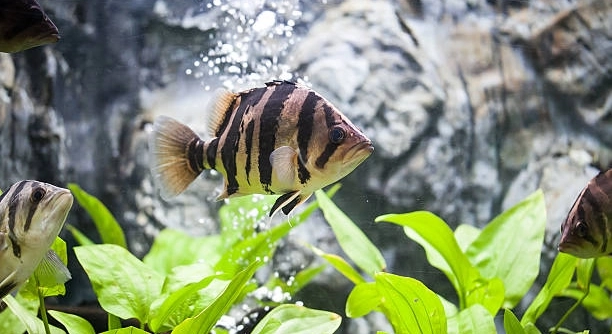
Tiger Barbs are popular freshwater fish that many aquarium owners enjoy keeping. Their vibrant colors and active behavior make them a lively addition to any tank. Understanding their preferences for tank setup can improve their health and well-being.
Tiger Barbs do not show a strong preference for soft substrates. They are adaptable to various substrate types, including gravel or sand. Their natural habitats often have mixed substrates, so substrate softness is not a critical factor for their comfort or behavior.
Knowing this helps in setting up a tank that supports their natural tendencies and keeps them happy. The following details will guide you on the best substrate options for Tiger Barbs.
Understanding Tiger Barbs’ Natural Habitat
Tiger Barbs originate from slow-moving streams and rivers in Southeast Asia. These environments often have mixed substrates, including sand, gravel, and leaf litter. The fish are used to varied textures underfoot rather than exclusively soft or hard surfaces. Their behavior in the wild shows that they forage along the bottom, nibbling on small organisms and plant matter. Because they are active swimmers and not bottom dwellers like some other species, substrate softness does not heavily influence their movement or comfort. In aquariums, they adapt well to whatever substrate is provided, as long as the environment remains clean and safe. Choosing substrate should focus more on ease of maintenance and compatibility with other tank inhabitants rather than Tiger Barbs’ specific needs.
Tiger Barbs thrive better in a stable tank environment than with a particular substrate type. Water quality and space are more important.
It is beneficial to consider substrate types that facilitate cleaning and encourage natural foraging without risking injury. Avoid sharp or rough materials that could damage their fins or barbels.
Choosing the Right Substrate for Your Aquarium
Soft substrates like sand can be a good choice but are not necessary for Tiger Barbs. Gravel works equally well and is easier to maintain in most cases. The decision depends on tank mates and your cleaning routine. For example, if you keep bottom feeders that prefer soft substrates, sand may be preferable. Tiger Barbs will adapt without issue to either option.
If you use gravel, ensure the pieces are smooth and not sharp to prevent injury. A mixed substrate setup can also work, combining sand and gravel to satisfy multiple species’ needs.
Maintaining substrate cleanliness is crucial regardless of type. Uneaten food and waste can accumulate, affecting water quality and fish health. Regular siphoning and water changes prevent harmful buildup.
Ultimately, substrate choice should consider ease of upkeep and the preferences of all aquarium residents, not just Tiger Barbs.
Impact of Substrate on Tiger Barbs’ Behavior
Tiger Barbs are active swimmers and do not rely heavily on the substrate for hiding or resting. They tend to swim mid-level in the tank, interacting more with plants and other fish than with the tank floor. The substrate mainly affects their foraging habits.
When foraging, Tiger Barbs sift through the substrate looking for food particles. A fine, smooth substrate like sand makes it easier for them to pick up small bits without risk of injury. Coarser gravel may slow down this behavior but does not stop it. Their natural curiosity encourages them to explore the tank, substrate included, though it is not their main focus.
Substrate also affects how they interact with tank decorations and plants. Soft or natural substrates support plant growth better, which in turn creates more hiding spots and reduces stress. This indirect effect on their behavior is more significant than substrate texture alone.
Cleaning and Maintenance of Different Substrates
Soft substrates like sand require gentle cleaning to avoid disturbance. Using a siphon carefully prevents clouding the water and maintains clarity. Sand tends to compact, so stirring occasionally helps prevent anaerobic spots that could harm fish. Maintaining sand means balancing cleanliness with preserving beneficial bacteria.
Gravel substrates are easier to clean with regular vacuuming because the spaces allow debris to settle between stones. It also promotes better water circulation in the substrate, reducing buildup. However, large gravel pieces can trap uneaten food and waste if not cleaned properly.
Choosing the right substrate includes considering your cleaning habits. Soft substrates need more delicate care, while gravel can handle more frequent, vigorous cleaning. Both require routine maintenance to keep the tank healthy and comfortable for Tiger Barbs.
Substrate and Plant Growth
Soft substrates like sand provide a better environment for rooted plants. They allow roots to spread easily and access nutrients. Gravel, while usable, may limit plant growth due to its density and larger particle size. Choosing the right substrate can help create a healthier planted tank.
Plants improve water quality and offer hiding spots. These benefits contribute to a more natural habitat for Tiger Barbs, supporting their well-being.
Effects on Water Chemistry
Certain substrates can influence water parameters. For example, some gravels may raise pH or hardness, while inert sands usually have little effect. It’s important to select substrate materials that match the needs of your aquarium’s inhabitants, including Tiger Barbs.
Mixing Substrates
Combining sand and gravel can create a balanced environment. It supports plant growth and accommodates different species’ preferences. This approach offers aesthetic variety and practical benefits for tank maintenance.
Avoiding Sharp Substrates
Sharp or rough substrates can injure Tiger Barbs. Smooth surfaces are safer and reduce stress. Always inspect the substrate before use to protect your fish’s health.
FAQ
Do Tiger Barbs need soft substrates to thrive?
Tiger Barbs do not require soft substrates to be healthy or happy. They adapt well to various substrate types, including gravel, sand, or mixed materials. Their natural habitats feature a range of substrates, so softness is not a key factor for their well-being.
Can hard or rough substrates harm Tiger Barbs?
Yes, sharp or rough substrates can cause injury to Tiger Barbs, especially around their barbels and fins. Smooth gravel or fine sand is safer and reduces the risk of damage or stress. Always check the substrate texture before adding it to the tank.
Is sand better than gravel for Tiger Barbs?
Sand offers benefits like better plant rooting and safer foraging, but Tiger Barbs do well with gravel too. Gravel is easier to clean and usually supports good water flow. The choice depends on other tank inhabitants and maintenance preferences.
How often should I clean the substrate?
Substrate cleaning frequency depends on tank size, feeding habits, and substrate type. Generally, vacuuming once every two weeks prevents waste buildup. Soft substrates need gentler cleaning to avoid disturbing the tank, while gravel can handle more vigorous siphoning.
Does substrate affect water quality?
Substrate can influence water parameters slightly. Some gravels may raise pH or hardness, while inert sands usually do not affect chemistry. Choosing the right substrate ensures stable water conditions, benefiting all fish in the tank.
Can Tiger Barbs live in tanks without substrate?
Yes, Tiger Barbs can live in tanks without substrate, but it’s less natural for them. Substrate supports beneficial bacteria, plant growth, and natural behaviors like foraging. A bare-bottom tank requires more frequent cleaning to maintain water quality.
What substrate is best for planted tanks with Tiger Barbs?
Soft, nutrient-rich substrates like sand or specialized plant substrates promote healthy plant roots. Gravel can work but may limit root development. Healthy plants provide hiding places and improve water quality, which benefits Tiger Barbs’ overall health.
Is it okay to mix different substrate types?
Mixing substrates like sand and gravel can balance aesthetics and functionality. It accommodates plants and different fish species while supporting cleaning ease. A layered substrate with sand on top and gravel below can combine benefits effectively.
Do Tiger Barbs dig or disturb substrate?
Tiger Barbs are not heavy diggers like some cichlids, but they do forage and may occasionally stir the substrate. This behavior is gentle and usually does not disrupt plants or decorations significantly.
Will substrate choice affect Tiger Barbs’ coloration?
Substrate type itself has little direct effect on coloration. However, a well-maintained tank with natural conditions, including appropriate substrate and plants, can reduce stress and help fish display brighter colors naturally.
Final Thoughts
Choosing the right substrate for Tiger Barbs is not as complicated as it might seem. These fish are adaptable and can live comfortably on different substrate types, whether soft sand or gravel. What matters most is providing a clean, safe environment that supports their natural behavior. Sharp or rough substrates should be avoided because they can injure Tiger Barbs, so smooth gravel or fine sand is a better option. The substrate should also fit well with your overall aquarium setup, including plants and other fish species.
Maintaining the substrate is just as important as choosing it. Regular cleaning prevents waste buildup and helps keep the water healthy. Soft substrates like sand need gentle cleaning to avoid disturbing the tank, while gravel can usually handle more frequent vacuuming. A good maintenance routine keeps the aquarium balanced and reduces stress for Tiger Barbs. In addition, substrates that support plant growth can improve the environment by providing hiding places and improving water quality. This indirectly benefits Tiger Barbs by creating a more natural and comfortable home.
Overall, substrate choice should be based on what works best for the entire aquarium, not just one species. Tiger Barbs do not have a strong preference for substrate softness, but the right substrate can make caring for the tank easier and help keep fish healthy. Considering factors like maintenance, tank mates, and plant needs will help you create a well-rounded environment. When the tank is balanced and well-kept, Tiger Barbs will thrive and show their lively colors and energetic behavior.

Hello,
If you enjoy the content that we create, please consider saying a "Thank You!" by leaving a tip.
Every little bit helps us continue crafting quality advice that supports the health, happiness, and well-being of pets around the world, for pets of all shapes, sizes, and species.
We really appreciate the kindness and support that you show us!