
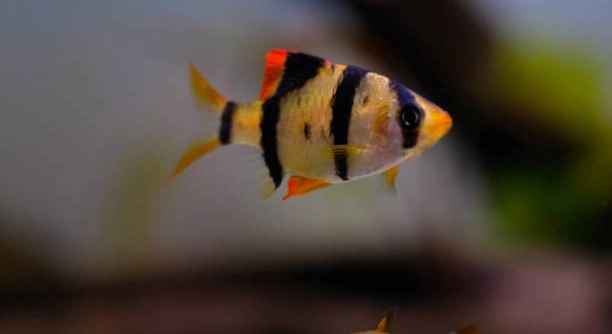
Are your tiger barbs showing signs of white spots, rubbing against objects, or swimming abnormally in their tank? These symptoms could point to ich, a common and contagious parasite that affects freshwater fish.
The most effective way to treat ich in tiger barbs is by raising the water temperature gradually to 82–86°F and using an aquarium-safe ich medication. This combination speeds up the parasite’s life cycle and eliminates it during its vulnerable stage.
Knowing the proper steps and timing can protect your fish and restore their health without causing extra stress in the aquarium.
Recognizing Ich in Tiger Barbs
Ich, also known as white spot disease, appears as tiny white dots on your tiger barb’s body, fins, and gills. It’s caused by a parasite that attaches to the fish and feeds on its skin. Infected fish often scratch themselves against objects and may appear lethargic or breathe heavily. Some may isolate themselves or stop eating altogether. Catching the infection early is key, as ich spreads quickly and can be fatal if left untreated. Watch closely for changes in behavior, and always observe new fish during the first few weeks in your tank to spot early symptoms.
These signs usually appear after a stress event like a sudden temperature drop or a new fish introduction.
Acting quickly not only helps the infected fish recover but also protects the rest of your tank. A short delay in treatment can lead to more fish becoming sick or dying from the stress and infection.
Treating Ich Effectively
Start by slowly raising the tank temperature to 82–86°F, which helps speed up the ich life cycle. Most treatments only work during a specific stage, so warmth shortens the parasite’s time in the protected cyst phase.
Once the temperature is stable, use an ich treatment that’s safe for scaleless or sensitive fish. Follow dosage instructions exactly, and remove carbon from your filter before adding the medication. Keep the treatment going for at least 3–5 days after all spots disappear to prevent a relapse. Daily water changes, around 25–30%, will help remove parasites from the tank and maintain water quality. Avoid feeding too much during treatment, as uneaten food can lead to ammonia spikes and stress the fish further. Monitor your tiger barbs closely throughout this process. If you don’t see improvement, double-check the dosage, temperature, and expiration date of the medication. When treated properly, most fish make a full recovery without lasting damage.
Preventing Future Ich Outbreaks
Keep tank conditions stable by performing weekly water changes and checking temperature, pH, and ammonia levels regularly. Stress weakens fish and makes them more vulnerable to parasites, so avoid sudden changes and overcrowding in the tank.
Quarantine all new fish for at least two weeks before adding them to your main tank. This step allows you to observe them for signs of illness and keeps potential infections contained. Clean any equipment or decorations before use, especially if they came from another aquarium. Feeding high-quality food and maintaining a calm, clean environment will strengthen your tiger barbs’ immune systems. Use a thermometer and test kit often to avoid surprises, and handle your fish gently during cleaning or maintenance. A consistent routine helps reduce stress, which lowers the chances of another outbreak. A healthy tank environment is your best defense against ich and other common fish diseases.
Avoid sudden water changes, loud vibrations, or frequent netting, as these stress your tiger barbs. Use a heater with a built-in thermostat to keep the temperature from fluctuating. Make sure your filter is properly sized for the tank and cleaned regularly. Watch fish behavior closely—early signs of illness are easier to treat. Don’t overcrowd your tank. Follow the one-inch-per-gallon rule and provide plenty of swimming space. Feed small portions twice a day and remove leftovers. A peaceful and balanced tank will keep your fish healthier and reduce the risk of ich returning. Prevention is easier than treatment and gives you peace of mind with every tank check.
Monitoring Recovery
Watch your tiger barbs closely for several days after treatment. Look for clear skin, normal swimming patterns, and steady breathing. Appetite should return, and any scratching or rubbing against tank surfaces should stop.
Keep the tank clean and stable while your fish recover. Continue regular water testing and small water changes to support healing.
When to Repeat Treatment
If you still notice white spots or abnormal behavior after the full treatment cycle, another round may be needed. Always check your medication’s label for safe reapplication timing. Repeat only after confirming the tank is warm enough and the water is clean. Repeating treatment too soon can stress your fish further, so space it carefully. Stick to accurate doses and monitor your fish daily. If the condition doesn’t improve after two full treatments, you may need to explore alternative medications or consult with an aquatic vet for more guidance.
Supporting a Healthy Tank
Feed a balanced diet, avoid overcrowding, and stick to a cleaning schedule. These simple habits help prevent stress and future illnesses.
What causes ich in tiger barbs?
Ich is caused by a parasite called Ichthyophthirius multifiliis. It attaches to fish skin, fins, and gills, feeding off their tissues and causing irritation. Stress, poor water quality, and sudden temperature changes make fish more vulnerable to this parasite.
How quickly does ich spread in a tank?
Ich can spread rapidly, especially in crowded or stressed tanks. The parasite releases free-swimming spores that infect other fish. Without treatment, the entire tank can become infected in a matter of days.
Can ich be treated without medication?
Raising the water temperature alone can speed up the parasite’s life cycle, but medication is usually needed to fully eliminate ich. Treatments specifically designed for ich kill the parasite in its vulnerable stages.
Is it safe to treat ich with plants or shrimp in the tank?
Some ich medications can harm sensitive species like shrimp and live plants. Always check the medication label for compatibility. If unsure, move sensitive species to a quarantine tank before treatment.
How long does ich treatment take?
Treatment usually lasts 7 to 10 days, depending on the medication used and severity of infection. Continue treatment for several days after spots disappear to ensure all parasites are killed.
Can ich come back after treatment?
Yes, ich can return if conditions weaken fish or if new infected fish are added to the tank without quarantine. Preventive care and quarantine are essential to avoid reinfection.
What water temperature is best for treating ich?
Raising the temperature to 82–86°F helps speed up the parasite’s life cycle. Avoid sudden temperature changes to prevent stressing your fish further.
Can I treat ich if my tank has other species?
Some medications are safe for community tanks, but always confirm compatibility before treatment. Separate very sensitive or different species if possible to avoid harm.
What should I do if my fish stop eating during treatment?
It’s normal for fish to lose appetite when stressed or sick. Offer small amounts of high-quality food and avoid overfeeding. If appetite doesn’t improve, check water parameters and medication dosage.
How can I prevent ich in the future?
Maintain stable water conditions, avoid overcrowding, and quarantine new fish before adding them to your tank. Keep stress low by providing hiding spots and a proper diet. Regular monitoring helps catch infections early.
Does ich affect all fish species the same way?
Ich affects most freshwater fish but severity can vary. Tiger barbs are susceptible, showing white spots and behavioral changes. Some species may show fewer visible symptoms but still carry the parasite.
Is it necessary to remove carbon from the filter during treatment?
Yes, removing activated carbon helps medication stay effective in the water. Carbon can absorb chemicals, reducing treatment strength. Replace carbon after treatment ends.
Can ich survive outside the fish?
Free-swimming parasite stages can survive for hours to days in water, but they need fish to complete their life cycle. Good tank hygiene helps reduce parasite presence outside fish.
What signs show my tiger barbs are fully recovered?
Look for clear skin without white spots, normal swimming, regular breathing, and good appetite. Fish should behave normally and not rub against tank surfaces.
Is there a natural remedy for ich?
Some natural options like salt baths or certain herbal treatments exist, but their effectiveness is limited. Medications designed for ich remain the most reliable choice.
Can I prevent ich by using UV sterilizers?
UV sterilizers can reduce free-swimming parasite stages but won’t eliminate ich inside fish. They are a helpful addition but not a standalone solution.
How often should I test water during ich treatment?
Test water daily for ammonia, nitrites, nitrates, and pH. Keeping water clean supports fish health and improves treatment success.
What happens if ich is left untreated?
Untreated ich causes severe irritation, loss of appetite, difficulty breathing, and can lead to death. Early treatment is critical to save your fish.
Can ich infection cause permanent damage?
If treated early, fish usually recover fully. Severe or prolonged infections can cause gill damage or secondary bacterial infections.
Should I change the substrate during ich treatment?
Cleaning the substrate can help remove parasites and debris, but avoid disturbing the tank too much during treatment. Use gentle vacuuming to keep the tank clean.
Can ich live in saltwater tanks?
Ich affects freshwater fish, while saltwater fish have a different parasite called marine ich or white spot disease caused by Cryptocaryon irritans. Treatment differs for saltwater tanks.
Is it safe to use multiple medications together for ich?
Combining medications can be risky and may harm fish or beneficial bacteria. Follow product instructions carefully and avoid mixing treatments unless advised by an expert.
How to handle fish during ich treatment?
Minimize handling to reduce stress. If you must move fish, use a clean container with tank water and avoid sudden temperature changes.
What to do if only a few fish show symptoms?
Treat the entire tank, since the parasite can be present even if not all fish show signs. Quarantine any new fish immediately.
Are there specific tank setups better for tiger barbs to prevent ich?
A well-filtered tank with stable temperature, adequate space, and hiding spots reduces stress and lowers infection risk. Regular maintenance keeps the environment healthy.
How does stress affect ich outbreaks?
Stress weakens fish immune systems, making them easier targets for ich. Maintaining stable water conditions and a calm environment helps prevent stress-related outbreaks.
Is it necessary to clean decorations during ich treatment?
Cleaning decorations can remove parasite cysts, but avoid using harsh chemicals. Rinse with hot water or soak in saltwater if safe for the material.
Can ich infection affect fish eggs or fry?
Yes, ich can infect young fish and eggs, often with higher mortality rates. Protect breeding tanks with careful quarantine and treatment measures.
How important is quarantine for new fish?
Quarantine is crucial. It prevents introducing ich and other diseases to your main tank. A minimum of two weeks allows observation and treatment if needed.
Can ich infections cause secondary bacterial infections?
Yes, damage caused by parasites can open the door for bacterial infections, which require additional treatment.
What is the best way to introduce medication to the tank?
Follow dosage instructions precisely. Remove activated carbon, turn off UV sterilizers, and evenly distribute medication to ensure effective treatment.
How long should I keep fish quarantined after treatment?
Keep fish in quarantine for at least one week after treatment ends to monitor recovery before adding them back to the main tank.
Can ich live in filter media?
Parasite stages can hide in filter media, so cleaning or replacing media after treatment helps remove remaining parasites.
How can I reduce stress during ich treatment?
Maintain stable temperature and water quality, minimize handling, avoid loud noises, and provide hiding spots. Stress reduction supports healing.
What are alternative treatments if ich medications don’t work?
Consult an aquatic vet for advice. Options may include stronger medications, salt baths, or changes to tank conditions.
Does salt help treat ich?
Adding aquarium salt can help reduce parasite numbers and ease symptoms but is usually not enough alone. Use salt carefully, as some fish are sensitive.
What is the life cycle of ich?
Ich has three main stages: parasite on the fish, cyst stage on surfaces, and free-swimming infective stage. Treatment targets the free-swimming stage, which is most vulnerable.
How often should I check my fish for signs of illness?
Daily observation helps catch problems early. Look for changes in appearance, behavior, and appetite to act quickly if needed.
Can ich be transmitted by equipment?
Yes, parasites can cling to nets, decorations, or plants. Always disinfect equipment before moving it between tanks.
What to do after ich treatment ends?
Replace activated carbon, perform a partial water change, and continue monitoring water parameters and fish health closely.
Can ich infect other aquatic animals besides fish?
Ich primarily infects freshwater fish and does not affect amphibians or invertebrates, but it can stress tank inhabitants indirectly.
Are there vaccines available for ich?
Currently, no vaccines exist for ich. Prevention relies on good tank management and quarantine practices.
How does ich affect fish breathing?
Parasites on gills cause irritation and reduce oxygen intake, leading to rapid or labored breathing. Proper treatment restores normal function.
Is it necessary to turn off air stones during treatment?
Air stones can remain on to oxygenate water, but some medications require lower aeration. Follow medication instructions carefully.
How to handle tank mates during ich treatment?
Treat the entire tank to protect all fish. Separate very sensitive species if possible. Keep stress low for all inhabitants.
What is the best diet for tiger barbs during recovery?
Feed high-quality, easily digestible foods like flakes, pellets, and occasional live or frozen treats to boost immunity and aid healing.
Can ich hide in plant leaves?
Parasite cysts can attach to surfaces, including plants. Clean plants carefully before adding them to the tank to reduce risk.
What should I avoid during ich treatment?
Avoid overfeeding, sudden water changes, mixing medications, and disturbing fish excessively. Stick to the treatment plan for best results.
Can ich be diagnosed without visible white spots?
Early stages may not show spots, but fish may scratch, hide, or breathe rapidly. If suspected, start treatment promptly to prevent spread.
Is ich contagious to humans or pets?
Ich affects only freshwater fish and poses no risk to humans or other pets.
How long does ich live outside of a host?
Free-swimming stages can survive hours to days, depending on conditions. Cleaning and quarantine reduce infection chances.
Can UV sterilizers prevent ich outbreaks completely?
UV sterilizers reduce parasite spores but do not eliminate ich inside fish. Use as a preventive tool, not a cure.
Should I remove substrate during treatment?
Removing substrate can help reduce parasite eggs but may disturb beneficial bacteria. Clean gently and avoid total removal unless necessary.
Can ich be confused with other diseases?
Yes, some fungal or bacterial infections look similar. Careful observation and treatment response help differentiate them.
What is the best way to introduce new fish to prevent ich?
Quarantine for two weeks, observe for symptoms, and treat if needed before adding new fish to your tank.
How can I support fish immune health to fight ich?
Provide a varied diet, clean water, stable environment, and reduce stress. Healthy fish resist infections better.
Are ich treatments harmful to beneficial bacteria?
Some medications can affect bacteria in biological filters. Monitor ammonia and nitrite levels during treatment to avoid spikes.
Can ich cause fish to lose color?
Yes, stress and infection often cause fading or dulling of colors. Recovery usually restores normal coloration.
How soon after treatment can I add new fish?
Wait at least one week after treatment ends, with stable water parameters, before adding new fish to reduce risk of reinfection.
Does ich affect fish differently based on age?
Young and weak fish are more vulnerable and may suffer more severe symptoms than healthy adults.
Can I treat ich in a hospital tank?
Yes, treating fish separately can reduce stress on the main tank and make medication easier to manage.
What temperature is too high for tiger barbs?
Temperatures above 86°F can stress tiger barbs. Keep treatment temperature within recommended range.
Can ich cause death quickly?
Without treatment, ich can kill fish within days due to respiratory failure and secondary infections.
How often should I clean my aquarium to prevent ich?
Weekly partial water changes and regular substrate vacuuming help maintain tank health and prevent outbreaks.
What is the best filter type for tiger barb tanks?
Filters that provide good biological filtration without strong currents suit tiger barbs. Sponge or canister filters work well.
Does ich affect fish behavior before visible symptoms?
Yes, fish may become restless, hide more, or breathe rapidly before white spots appear. Early detection helps treatment success.
Can ich treatment be done in planted tanks?
Some medications harm plants. Choose plant-safe treatments or remove plants during treatment if possible.
Is it necessary to inform aquarium shops if my fish have ich?
Yes, reporting sick fish helps prevent spread to other customers and improves overall fish health in the trade.
What role does pH play in ich outbreaks?
Stable pH supports fish health. Sudden pH changes can stress fish and increase susceptibility to ich.
How to handle tank water during ich treatment disposal?
Dispose of water safely, avoiding contamination of local waterways. Follow local guidelines for aquarium waste.
Can ich be prevented by adding specific chemicals regularly?
Regular use of chemicals can harm fish and beneficial bacteria. Focus on good tank maintenance instead of constant chemical use.
Are some tiger barbs more resistant to ich?
Individual fish may vary in resistance, but no breed is immune. Healthy conditions are the best defense.
What’s the difference between ich and velvet disease?
Ich shows white spots; velvet appears as a fine, dusty coating. Treatments differ, so accurate identification matters.
Can ich infections be seasonal?
Temperature changes in spring and fall may trigger outbreaks due to stress and weakened immunity.
How does overcrowding affect ich risk?
More fish means higher stress and easier parasite spread. Keep stocking levels appropriate for tank size.
Does fasting fish help during ich treatment?
Fasting reduces waste and stress, helping maintain water quality and allowing fish to focus energy on healing.
Are homemade remedies effective for ich?
Most homemade treatments lack scientific support. Trusted medications remain the safest and most effective choice.
How to handle ich in community tanks?
Treat the whole tank with a safe medication, monitor all species closely, and avoid introducing new fish until recovered.
Can ich survive in frozen fish food?
Freezing kills most parasites, but always source food from reputable suppliers to reduce risk.
What temperature fluctuations trigger ich?
Drops below 70°F or sudden changes of more than a few degrees can stress fish and trigger ich outbreaks.
Can ich cause fins to rot?
Secondary bacterial infections from ich damage can lead to fin rot if untreated.
How important is aeration during ich treatment?
Good aeration supports oxygen levels, helping fish breathe easier and recover faster.
Does ich treatment affect water hardness?
Most treatments don’t alter hardness but check product details to ensure compatibility.
What’s the role of quarantine tanks in managing ich?
Quarantine tanks isolate new or sick fish, preventing spread and allowing targeted treatment.
Can ich be confused with fungal infections?
Yes, fungal infections often look fuzzy rather than spotted. Observation and response to treatment help distinguish them.
What equipment should I prepare before treating ich?
Gather medication, a reliable heater, thermometer, test kits, and clean containers for water changes.
Are tiger barbs hardy enough to recover from ich?
With prompt care and proper treatment, tiger barbs generally recover well from ich infections.
How long does immunity last after recovering from ich?
Recovered fish may have temporary immunity, but it fades over time. Good tank care remains essential.
Can ich affect fish reproduction?
Stress and illness from ich can reduce breeding success and damage eggs or fry.
What’s the first step if I suspect ich?
Begin isolating affected fish if possible, raise temperature, and start treatment promptly.
Is there a safe way to speed up ich treatment?
Stick to recommended temperatures and medication schedules. Avoid shortcuts that stress fish or reduce treatment effectiveness.
How can I tell if medication is expired?
Check expiration dates and storage conditions. Expired medications may be less effective or unsafe.
What should I do if multiple fish die during ich treatment?
Stop treatment, test water parameters, and consult an expert for advice. Review treatment method and medication used.
Can ich hide in decorations or driftwood?
Parasite cysts can attach to surfaces. Cleaning or replacing decorations after treatment helps control spread.
Are tiger barbs social fish during ich treatment?
Sick fish may isolate, but healthy tiger barbs prefer groups. Maintain social groups to reduce stress.
How to maintain water quality during ich treatment?
Perform regular partial water changes, avoid overfeeding, and monitor ammonia, nitrite, and nitrate levels closely.
Can ich treatment affect beneficial bacteria?
Some treatments impact bacteria. Monitor water chemistry and add beneficial bacteria supplements if needed after treatment.
Is quarantine necessary for all new fish species?
Yes, quarantine helps prevent introduction of ich and other diseases regardless of species.
Can ich survive in tap water?
Tap water without fish cannot sustain ich. Parasites need fish hosts to survive and reproduce.
What is the main goal of ich treatment?
To kill the parasite during its free-swimming stage while supporting fish health and water quality.
Can ich cause fish to lose scales?
Yes, parasite feeding can damage skin and scales, making fish vulnerable to secondary infections.
How often should I perform water changes during ich treatment?
Daily or every other day partial changes help remove parasites and keep water clean without stressing fish.
Are there signs ich is fully gone from the tank?
No white spots, normal fish behavior, stable water tests, and no new infections after treatment indicate success.
What to avoid during quarantine for ich?
Avoid overcrowding, rapid water changes, and mixing species. Maintain stable conditions and cleanliness.
Can ich be spread by hands or tools?
Yes, contaminated hands or equipment can transfer parasites. Clean thoroughly between tanks.
How important is consistent lighting during ich treatment?
Stable lighting supports fish health. Avoid sudden changes or very bright lights that increase stress.
Can ich treatments discolor tank water?
Some medications tint water. This is normal but monitor fish closely for stress.
What is the best water hardness for tiger barbs?
Moderate hardness (5–12 dGH) suits tiger barbs and helps maintain overall health.
Is it safe to combine salt and medication for ich?
Only combine if medication instructions allow. Salt can enhance treatment but also increase stress if overdosed.
How to handle fish with severe ich infection?
Consider hospital tank treatment with close monitoring, oxygenation, and gentle care. Consult experts if needed.
What tank size is ideal for tiger barbs?
A minimum of 20 gallons with proper filtration provides space and stable conditions to reduce stress and disease risk.
Can ich be transmitted through live plants?
Plants can carry parasites if introduced without quarantine. Rinse and quarantine plants when possible.
Are all ich medications available over the counter?
Most ich treatments are available at pet stores, but consult a vet for severe or resistant cases.
Ich is a common problem for tiger barbs, but it can be managed with the right care and treatment. Understanding how the parasite works and what causes outbreaks helps keep fish healthy. Stable water conditions, proper tank maintenance, and stress reduction play a big role in preventing ich. If fish do get infected, acting quickly with appropriate medication and raising the temperature can make a big difference.
During treatment, patience is important. It usually takes about a week or more for ich to clear completely. Fish need time to recover, and the parasite’s life cycle must be fully interrupted. Keeping a close eye on water quality and fish behavior supports healing. Removing activated carbon from the filter and following medication instructions carefully ensures the treatment works well. Also, quarantining new fish before adding them to the main tank helps stop the spread of ich and other diseases.
Long-term success comes from good tank care. Regular water testing, partial water changes, and cleaning help maintain a healthy environment. Providing a balanced diet and avoiding overcrowding reduces stress and strengthens fish immune systems. While ich can be stressful to deal with, it does not have to be a recurring problem if you maintain good habits. Tiger barbs are resilient fish that respond well to treatment and proper care, making it possible to keep them healthy and active in your aquarium.

Hello,
If you enjoy the content that we create, please consider saying a "Thank You!" by leaving a tip.
Every little bit helps us continue crafting quality advice that supports the health, happiness, and well-being of pets around the world, for pets of all shapes, sizes, and species.
We really appreciate the kindness and support that you show us!