
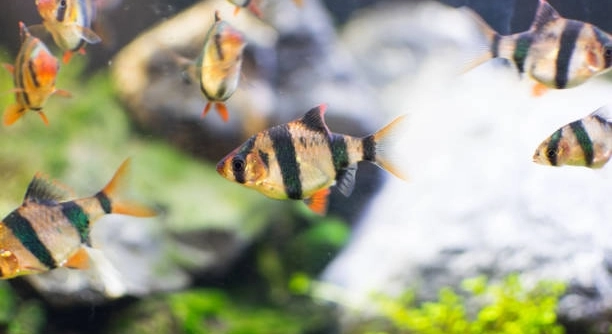
Tiger barbs are popular freshwater fish known for their vibrant colors and active behavior. Many aquarium owners notice these fish often swimming near the filter area. This common behavior has specific reasons linked to their natural instincts and tank environment.
Tiger barbs stay near the filter because it provides a source of oxygen-rich water and gentle current. The filter area offers a comfortable environment with better water circulation, which helps them breathe more easily and feel secure in the aquarium.
Understanding why tiger barbs prefer the filter zone helps improve tank conditions and ensures these lively fish remain healthy and happy in their habitat.
Why Tiger Barbs Like Strong Water Flow
Tiger barbs naturally live in fast-moving streams and rivers where water flows steadily. In an aquarium, the filter creates a similar flow, which feels familiar and comfortable to them. The constant current helps keep oxygen levels high and supports their active swimming habits. They tend to stay near this area because it mimics their natural environment. Additionally, the flow can help them stay alert to changes and potential threats. It also prevents the water from becoming stagnant, which can cause discomfort or stress for the fish. Many owners notice their tiger barbs spending most of their time near the filter outlet where the water moves. This preference isn’t just random but a way to stay healthy and feel secure. If the water flow is too weak, tiger barbs may appear less lively or restless, showing how important this environment factor is for their well-being.
Proper water flow also helps keep the aquarium clean by moving debris toward the filter.
Maintaining a steady current encourages natural behavior and supports better oxygen exchange. It reduces the buildup of harmful gases and keeps water temperature more even. Ensuring the filter is working well and producing gentle flow will keep tiger barbs happy. Some fish may explore other parts of the tank, but they often return to the stronger water movement near the filter. This pattern is a sign they feel comfortable and safe. Adjusting filter settings if possible can help find the right balance between flow and calm spots. Watching how tiger barbs interact with the flow can also indicate if the tank conditions suit them or need improvement.
How Oxygen Levels Affect Tiger Barb Behavior
Oxygen-rich water is vital for tiger barbs to stay healthy and active. These fish often gather near the filter because it pumps oxygen into the tank.
Low oxygen levels make fish slow and stressed, which can lead to health problems. Proper aeration keeps them vibrant. Monitoring oxygen is key to tank success.
The Role of Temperature Near the Filter
Water near the filter is often slightly cooler because of constant movement and aeration. Tiger barbs prefer these cooler spots, which help regulate their body temperature. This makes the filter area more appealing compared to warmer, stagnant parts of the tank.
Temperature stability near the filter benefits tiger barbs by preventing sudden changes that can stress them. Sudden heat spikes may cause discomfort or illness, so the gentle flow around the filter helps maintain a balanced environment. This steady temperature encourages natural activity levels and supports overall health. If the tank heater is uneven, fish will naturally seek out the more stable area near the filter.
Keeping a consistent temperature reduces the risk of disease. Fish spending time near the filter enjoy a more comfortable environment. This habit is a sign that their tank conditions meet their needs.
Social Behavior and Safety in Numbers
Tiger barbs are schooling fish, which means they feel safer and more comfortable in groups. The area near the filter offers a common gathering place, where they swim closely together. This behavior is natural and helps reduce stress.
In a school, tiger barbs watch out for each other and communicate through movement. The filter area provides a central spot where they can easily stay connected. Being near the filter also means they are in a well-oxygenated, stable environment, supporting their energy for social interaction. If the group is broken up or too small, fish may become shy or aggressive.
Keeping tiger barbs in groups of six or more encourages this social behavior. A lively school near the filter shows they feel safe and healthy. Providing enough space and hiding spots also helps reduce aggression and keeps the group balanced. Watching how they interact around the filter can reveal much about their well-being.
The Impact of Tank Size
Smaller tanks tend to have stronger currents near the filter, which tiger barbs enjoy. In larger tanks, the flow may be less noticeable, causing fish to spread out more. Tank size affects where tiger barbs spend their time.
A well-sized tank with proper filtration ensures consistent water movement. This helps tiger barbs feel comfortable and encourages healthy swimming patterns.
How Tank Decorations Influence Behavior
Plants, rocks, and hiding spots near the filter create a safe environment. Tiger barbs often use these areas to rest or hide from stronger currents while staying close to oxygen-rich water.
Filter Placement Matters
Placing the filter in a corner or along the back wall concentrates water flow and oxygen. This setup helps tiger barbs form a stable area to gather and swim comfortably.
Why do tiger barbs always swim near the filter?
Tiger barbs swim near the filter because it provides a source of oxygen-rich water and constant flow. This environment mimics their natural habitat in fast-moving streams. The gentle current helps them breathe better and feel more secure. The filter area also prevents stagnant water, which they avoid.
Is it normal for tiger barbs to spend most of their time near the filter?
Yes, it is normal. The filter area offers better oxygen levels, stable temperature, and water movement that tiger barbs prefer. If they spend time there but remain active and healthy, it shows they are comfortable. However, if they hide constantly or appear stressed, check tank conditions.
Can poor water quality cause tiger barbs to stay near the filter?
Poor water quality might make fish seek better oxygen areas near the filter, but it is not a healthy sign. Test the water regularly for ammonia, nitrite, and nitrate levels. Clean water and proper filtration keep tiger barbs healthy and reduce stress.
Do tiger barbs like strong water currents all the time?
They enjoy moderate flow, similar to their natural streams. Strong currents can tire them out, while too little flow makes them restless. Adjust filter flow so it creates gentle water movement, which keeps them active and comfortable.
Will adding more plants or decorations near the filter help tiger barbs?
Yes, adding plants and hiding spots near the filter creates shelter and security. Tiger barbs use these areas to rest without losing access to oxygen-rich water. It helps reduce stress and aggression among them.
Should I worry if tiger barbs don’t leave the filter area?
Not always. Staying near the filter is normal behavior for tiger barbs, especially if water quality is good and they show normal activity. If they seem lethargic or hide excessively, test water parameters and check for illness.
Does tank size affect how often tiger barbs stay near the filter?
Tank size matters. In smaller tanks, the water flow near the filter is stronger and more noticeable, so tiger barbs gather there. Larger tanks may have more areas with good flow, so fish spread out more. Proper filtration is important in any tank size.
How many tiger barbs should I keep together?
Keep at least six tiger barbs together. They are schooling fish and feel safer in groups. This reduces aggression and encourages natural behavior. When in a group, they often swim together near the filter or other flow areas.
Can the filter’s location in the tank affect tiger barb behavior?
Yes, the filter’s position influences water flow patterns. Filters placed in corners or along the back wall create strong, steady currents in those spots, attracting tiger barbs. Moving the filter or adjusting output direction can change how fish use the tank.
How often should I clean the filter if tiger barbs stay near it?
Regular filter maintenance is key. Clean the filter media every 2-4 weeks, depending on tank size and bioload. Avoid over-cleaning to preserve beneficial bacteria. A clean filter ensures good water quality and keeps the area inviting for tiger barbs.
Can oxygen levels be tested to ensure tiger barbs’ comfort?
Yes, oxygen test kits or meters help monitor oxygen levels. Healthy tanks maintain oxygen above 5 mg/L. If oxygen is low, increase aeration or improve filtration. Keeping oxygen high near the filter keeps tiger barbs active and stress-free.
Do tiger barbs get stressed if the filter stops working?
Yes, a sudden loss of water flow and oxygen can stress tiger barbs. They rely on the filter for clean, oxygenated water and current. Always have a backup plan, such as an air pump, to maintain circulation during filter downtime.
Can tiger barbs adapt if the filter is moved?
They usually adjust, but sudden changes might cause temporary stress. Moving the filter changes water flow and oxygen distribution. Make gradual changes and observe fish behavior to ensure they stay comfortable.
Is it okay for other fish to share the filter area with tiger barbs?
Other peaceful fish can share the area if the tank is large enough. However, avoid overcrowding, which can reduce oxygen and increase stress. Tiger barbs may compete with more timid fish for space near the filter.
What signs show tiger barbs are healthy while staying near the filter?
Healthy tiger barbs are active, swim in groups, have bright colors, and eat well. They dart through the filter area but also explore other parts of the tank. Calm, smooth breathing and no hiding or clamping fins indicate good health.
How does the filter help with tank temperature control?
The filter’s water movement helps distribute heat evenly, preventing hot or cold spots. This stable temperature near the filter makes it a comfortable resting and swimming zone for tiger barbs.
Can stress cause tiger barbs to cling to the filter area?
Stress may cause them to stay near the filter for safety. Common stress factors include poor water quality, overcrowding, or aggressive tank mates. Identifying and fixing these issues improves fish comfort and behavior.
Should I add an air stone if tiger barbs stay near the filter?
An air stone can increase oxygen levels and water movement. This benefits tiger barbs, especially in tanks with weaker filters. It creates more bubbles and circulation, making the whole tank more comfortable.
How do I know if the filter flow is too strong?
If tiger barbs struggle to swim or hide excessively, the flow may be too strong. Adjust the filter output or add decorations to break the current. Finding a gentle flow keeps them active without tiring them out.
Do tiger barbs rest near the filter at night?
Yes, they often rest in calmer spots near the filter where water remains oxygenated. They may slow down but still stay close to this safe, well-oxygenated area overnight.
Can tank maintenance improve tiger barbs’ use of the filter area?
Regular water changes and cleaning help maintain water quality near the filter. A clean tank encourages tiger barbs to stay active and comfortable. Good maintenance keeps their favorite area inviting and safe.
Tiger barbs staying near the filter is a common and natural behavior. This area provides them with a steady flow of oxygen-rich water, which is important for their health and comfort. The gentle current created by the filter mimics the fast-moving streams where these fish come from. This helps them feel secure and encourages their natural swimming habits. When they gather near the filter, it shows they are enjoying a better environment compared to still, less oxygenated parts of the tank.
Besides oxygen, the filter area also offers a more stable temperature and better water quality. Both of these factors are important for tiger barbs because sudden changes in temperature or poor water conditions can stress them out and lead to illness. The constant movement of water near the filter helps spread heat evenly and keeps harmful waste away. When the water is clean and the temperature steady, tiger barbs stay active and show their bright colors. This is a good sign of their overall health and happiness in the tank.
Taking care of tiger barbs means paying attention to their environment, especially the filter area they prefer. Regular maintenance, such as cleaning the filter and testing water quality, keeps this spot inviting for them. Adding decorations and plants near the filter can create places for them to rest without losing access to fresh water. Making sure the water flow is gentle and not too strong also helps. When these conditions are met, tiger barbs thrive and show lively, natural behavior. Observing their habits around the filter can give important clues about how well the tank is set up and if any changes are needed.

Hello,
If you enjoy the content that we create, please consider saying a "Thank You!" by leaving a tip.
Every little bit helps us continue crafting quality advice that supports the health, happiness, and well-being of pets around the world, for pets of all shapes, sizes, and species.
We really appreciate the kindness and support that you show us!