
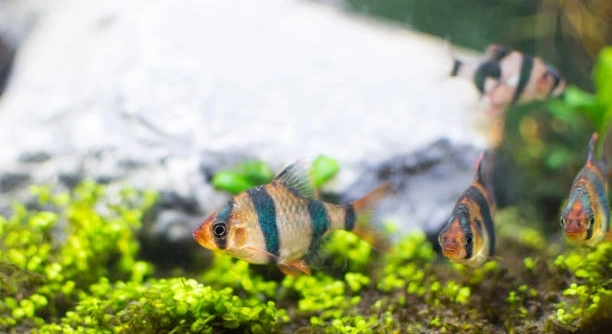
Algae can quickly take over a tiger barb tank, making it look dirty and unhealthy. Managing algae growth is important to keep the water clear and the fish comfortable. This article will offer practical advice for controlling algae in your aquarium.
The most effective way to reduce algae in a tiger barb tank is to maintain a balanced environment. This includes regulating light exposure, controlling nutrient levels through regular water changes, avoiding overfeeding, and adding algae-eating species to help naturally limit algae growth.
Learning these simple steps can help you maintain a healthier and more attractive tank for your tiger barbs to thrive in.
Understanding Algae Growth in Tiger Barb Tanks
Algae growth happens when there is an imbalance in the tank environment. Too much light, excess nutrients, and poor water circulation all contribute to algae thriving. Tiger barbs are active fish that produce waste, which adds nutrients to the water. When these nutrients build up, algae feed on them and multiply quickly. Light is also a key factor—algae need light to grow, so keeping the tank exposed to strong or long periods of light encourages algae growth. Regular maintenance like water changes and filter cleaning helps control nutrient levels and keeps algae in check. Also, overfeeding fish can leave uneaten food to decay, raising nutrient levels even more. Being aware of these factors makes it easier to keep algae under control without harsh chemicals or drastic measures.
Reducing light exposure and controlling nutrients are two of the simplest ways to keep algae growth manageable.
By adjusting light duration to about 8-10 hours a day and feeding your tiger barbs only what they can eat in a few minutes, you limit algae’s food and energy sources. Regular partial water changes, about 20-30% weekly, remove excess nutrients and keep water fresh. Adding plants that compete with algae for nutrients can also help. Introducing algae-eating fish or snails provides a natural cleanup crew. Together, these steps create a balanced environment that supports healthy fish and keeps algae from overwhelming your tank.
Choosing the Right Tank Maintenance Routine
Keeping a consistent maintenance schedule is key to preventing algae buildup.
Regular tasks like cleaning the tank walls, removing debris, and checking water parameters prevent algae-friendly conditions. Skipping these steps allows algae to spread and take hold quickly.
Consistency in tank care pays off with clearer water and healthier fish. It’s better to do small, frequent maintenance than to wait until algae grows out of control. Using a gentle algae scraper and performing water changes on time reduce stress for your fish and keep the environment stable. Monitoring feeding amounts and light exposure daily also helps prevent conditions where algae flourish. Over time, these habits make your tiger barb tank easier to manage and more enjoyable to watch. A clean tank means your fish can show their true colors and stay active without algae interference.
Controlling Light Exposure
Limiting light exposure is crucial to managing algae growth. Too much light encourages algae to multiply quickly.
Using a timer for aquarium lights ensures the tank only gets about 8 to 10 hours of light daily. Avoid placing the tank near windows or direct sunlight, as this can increase unwanted light and heat. Consistent light schedules help maintain a stable environment, reducing stress on tiger barbs and controlling algae growth.
If algae still appears, try dimming the light or switching to lower-intensity bulbs designed for fish tanks. This reduces energy for algae while keeping plants and fish healthy. Monitoring light intensity and duration is one of the easiest ways to prevent algae problems early on.
Using Algae-Eating Species
Adding algae-eating fish or invertebrates can naturally reduce algae buildup. Siamese algae eaters, otocinclus catfish, and snails like nerite snails are good choices for tiger barb tanks. These species feed on different types of algae, helping keep the tank clean without harming your fish.
When selecting algae eaters, consider their compatibility with tiger barbs. Some species may be too shy or too aggressive. Start with a small number to see how they fit in your tank. Over time, these algae eaters can reduce manual cleaning efforts and maintain a balanced ecosystem. Be sure to provide enough food for all tank inhabitants to avoid competition.
Managing Nutrient Levels
Keeping nutrient levels low is essential for controlling algae. Excess nutrients come from fish waste, uneaten food, and decaying plants.
Regular water changes and careful feeding help reduce nutrient buildup, limiting algae’s food source and keeping the tank clean.
Proper Feeding Habits
Overfeeding is a common cause of algae problems. Feeding only what your tiger barbs can eat in two to three minutes prevents leftover food from polluting the water. Uneaten food decomposes and releases nutrients that encourage algae growth. Monitoring feeding habits reduces waste and helps maintain water quality.
Cleaning the Tank
Regular cleaning removes algae and prevents buildup. Use an algae scraper or sponge on tank walls during water changes. Avoid harsh chemicals that may harm fish. Maintaining a clean tank surface supports a healthier environment for your tiger barbs and keeps algae under control.
FAQ
How often should I change the water to control algae?
Regular water changes are key to managing algae. Changing about 20-30% of the water weekly helps remove excess nutrients that algae feed on. Skipping or delaying water changes allows nutrients to build up, encouraging algae growth. Consistency is more important than large, infrequent changes, which can stress your fish.
Can I use chemicals to get rid of algae in my tiger barb tank?
While chemical treatments exist, they should be used cautiously. Many algae control products can harm fish, plants, and beneficial bacteria. Natural methods like adjusting light, reducing feeding, and adding algae eaters are safer. Chemicals may temporarily reduce algae but often don’t fix the underlying causes, leading to recurring problems.
What type of algae eaters work best with tiger barbs?
Siamese algae eaters, otocinclus catfish, and nerite snails are popular choices. These species eat various algae types without bothering tiger barbs. However, it’s important to introduce algae eaters gradually and ensure tank conditions meet their needs. Avoid aggressive species that may stress or harm your barbs.
Does lighting color affect algae growth?
Lighting color can influence algae, but intensity and duration matter more. Algae grows best under bright, long light periods. Using full-spectrum or aquarium-specific lights designed for plants provides balanced light for fish and plants while limiting algae growth. Reducing light time is often more effective than changing color alone.
Is overfeeding the main reason for algae problems?
Overfeeding is a major contributor. Leftover food breaks down and raises nutrient levels, feeding algae. Feeding your tiger barbs only what they can eat in 2-3 minutes keeps food waste low and water quality high. Regularly observe feeding habits and adjust portions to avoid leftovers.
Can live plants help reduce algae?
Yes, live plants compete with algae for nutrients and light. Fast-growing plants absorb excess nutrients, leaving less for algae. They also improve water quality and provide hiding spots for tiger barbs. Choosing plants suited for your tank’s conditions enhances their effectiveness against algae.
How can I tell if algae is harmful or normal?
A small amount of algae is normal and can even benefit the tank by providing oxygen and food for some fish. Problems arise when algae covers surfaces, clouds the water, or smothers plants. Regular monitoring helps catch excessive growth early before it harms your tank’s balance.
Does tank size affect algae growth?
Tank size can impact algae control. Smaller tanks may see quicker nutrient buildup and temperature changes, making algae harder to manage. Larger tanks with stable conditions tend to resist algae outbreaks better. Regardless of size, proper maintenance is essential.
Should I turn off the aquarium light at night?
Yes, turning off lights at night mimics natural day-night cycles. Algae needs light to grow, so limiting light exposure to 8-10 hours daily helps control it. Leaving lights on continuously encourages algae growth and stresses your fish.
Can water hardness affect algae growth?
Water hardness itself doesn’t directly cause algae, but it influences nutrient availability. Hard water may have more minerals that algae can use. Testing water parameters and keeping them within recommended ranges for tiger barbs helps maintain a healthy balance and reduce algae risks.
How do I clean tough algae spots?
Use a gentle algae scraper or pad designed for aquariums to remove tough spots. Avoid metal tools that can scratch glass or acrylic. Cleaning during water changes reduces disturbance to fish. Persistent algae may require improving tank conditions rather than just cleaning.
Is it normal for algae to return after cleaning?
Yes, algae often returns if underlying causes aren’t addressed. Cleaning removes visible algae but doesn’t fix excess nutrients or light exposure. Maintaining proper tank care prevents regrowth and keeps algae levels manageable over time.
Can water temperature impact algae growth?
Higher temperatures can speed algae growth by increasing metabolic rates. Keeping your tank within the ideal temperature range for tiger barbs (about 74-79°F or 23-26°C) helps slow algae development and keeps fish comfortable.
Are there any natural remedies to control algae?
Besides algae eaters and plants, some hobbyists use natural products like barley straw extract, which can inhibit algae growth. However, results vary and these should complement good tank management practices rather than replace them.
How can I prevent algae from starting in a new tank?
Starting with a balanced setup helps prevent algae. Avoid overfeeding, control lighting, cycle the tank properly, and add hardy plants or algae eaters early. Regular water testing and maintenance keep conditions stable, reducing algae risk.
What role does filtration play in algae control?
Good filtration removes waste and debris, lowering nutrient levels that algae feed on. Mechanical, biological, and chemical filtration all contribute to water clarity and quality. Proper filter maintenance is essential to support a healthy tank and minimize algae growth.
Final Thoughts
Keeping algae under control in a tiger barb tank requires attention to several important factors. Maintaining a balanced environment is the foundation. This means regulating light exposure, managing nutrient levels, and practicing regular tank maintenance. By limiting the time your aquarium light is on to around 8 to 10 hours daily, you reduce the energy algae need to grow. Avoid placing the tank in direct sunlight, which can cause algae to bloom quickly. Feeding your fish carefully also helps; only give them what they can eat in a few minutes to avoid leftover food breaking down and increasing nutrients in the water.
Regular water changes play a big role in controlling algae growth. Changing about 20-30% of the water weekly helps remove excess nutrients and keeps the environment fresh for your tiger barbs. It is important to keep up with these changes consistently rather than doing large water swaps infrequently, which can stress your fish. Cleaning the tank walls and decorations gently during these water changes will remove algae buildup and keep your tank looking clear. Adding live plants and algae-eating species like snails or certain catfish can support natural algae control. These living helpers compete with algae for nutrients and help keep the tank clean without the need for harsh chemicals.
Overall, managing algae in a tiger barb tank takes patience and steady care. Focusing on simple habits such as controlling light, feeding properly, and maintaining water quality can make a big difference. While a small amount of algae is normal and even healthy in an aquarium, keeping it from taking over helps your fish stay healthy and your tank look its best. With time and consistent effort, you can enjoy a clear, balanced tank where your tiger barbs thrive and algae stays in check.

Hello,
If you enjoy the content that we create, please consider saying a "Thank You!" by leaving a tip.
Every little bit helps us continue crafting quality advice that supports the health, happiness, and well-being of pets around the world, for pets of all shapes, sizes, and species.
We really appreciate the kindness and support that you show us!