
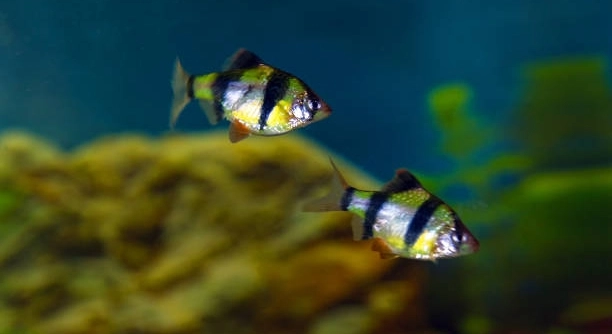
Tiger barbs are popular aquarium fish known for their lively behavior and bright colors. Many fish owners want to make sure they provide a healthy and balanced diet. Understanding what tiger barbs can safely eat helps keep them happy and thriving.
Tiger barbs can eat vegetables, but these should only be a small part of their diet. Their main nutrition comes from protein-based foods like flakes, pellets, and live or frozen insects. Vegetables can supplement vitamins and fiber but must be offered carefully.
Knowing how to include vegetables properly will help improve your fish’s health and add variety to their meals. This article explains what kinds of vegetables are best and how to prepare them for tiger barbs.
What Vegetables Are Safe for Tiger Barbs
Tiger barbs can eat several types of vegetables that are both safe and beneficial. Common options include peas, spinach, zucchini, and cucumber. These vegetables provide fiber and essential nutrients that support digestion and overall health. It’s important to prepare the vegetables properly before feeding. For example, peas should be shelled and cooked slightly to soften them, making them easier for tiger barbs to eat. Leafy greens like spinach can be blanched to remove any pesticides or dirt. Avoid vegetables that are tough or hard to digest, such as raw carrots or corn. Also, never feed vegetables that are seasoned or treated with oils or spices. Feeding fresh, clean, and plain vegetables ensures your tiger barbs get the nutrients they need without harm. Remember to cut vegetables into small pieces to prevent choking or leftover waste that can pollute the tank.
Including a small variety of these vegetables occasionally can improve your fish’s diet and provide enrichment.
Vegetables should only be given as treats and not replace their main protein-based food.
By feeding safe vegetables, you help support good digestion and keep your tiger barbs active and healthy.
How to Prepare Vegetables for Tiger Barbs
Vegetables must be prepared correctly before offering them to tiger barbs. First, wash them thoroughly to remove any chemicals or dirt. Next, cook or blanch vegetables like peas and spinach to soften them. This step is crucial because tiger barbs have small mouths and can struggle to eat hard vegetables. Once softened, chop the vegetables into tiny pieces, just enough for the fish to nibble easily. Avoid overfeeding vegetables; small amounts once or twice a week are enough. Remove any uneaten vegetable bits after a few hours to keep the water clean. Proper preparation helps prevent digestive issues and keeps your aquarium healthy. Feeding vegetables in this way adds variety and nutrients without upsetting your tiger barbs’ diet balance. Keeping preparation simple and careful is key to making vegetables a good addition to their meals.
How Often to Feed Vegetables to Tiger Barbs
Vegetables should be offered to tiger barbs only once or twice a week. Overfeeding can cause digestive problems and pollute the tank. Moderation is important to keep your fish healthy.
Feeding vegetables too often may upset the natural balance of their diet, which relies mainly on protein. Too many vegetables can lead to bloating or constipation. It’s best to keep vegetable treats small and infrequent. Observing how your fish respond will help you adjust the amount and frequency. Clean up any leftover vegetables quickly to prevent water quality issues. This careful approach helps maintain a healthy aquarium environment while offering dietary variety.
Balancing their meals with protein foods and occasional vegetables supports their natural needs and encourages active behavior. The goal is to supplement, not replace, their main diet.
Signs of Overfeeding Vegetables in Tiger Barbs
If tiger barbs start to swim slowly or seem bloated, they may be eating too many vegetables. Overfeeding can cause digestive discomfort and affect their energy levels.
Watch for leftover vegetable pieces in the tank, which could indicate too much food is being given. Water may become cloudy or develop an odor if uneaten food is not removed. Keeping the feeding amounts controlled prevents these problems. Adjust feeding habits if your fish show signs of digestive issues or changes in behavior. Maintaining a clean tank with balanced feeding ensures your tiger barbs stay healthy and lively. Monitoring their response to vegetable treats helps you provide the best care possible.
Benefits of Vegetables in Tiger Barb Diet
Vegetables add fiber and vitamins that support digestion and overall health in tiger barbs. They can improve coloration and boost the immune system. Including vegetables occasionally adds variety to their diet.
Vegetables help keep the digestive tract working well. A small amount can prevent constipation and promote better nutrient absorption, leading to healthier, more active fish.
Vegetables to Avoid Feeding Tiger Barbs
Avoid feeding tiger barbs tough, fibrous, or starchy vegetables like raw corn, lettuce, or potatoes. These can be hard to digest and may cause digestive upset.
Also, never offer vegetables treated with pesticides or seasoning. Stick to fresh, clean, and safe options to protect your fish’s health.
Preparing Frozen Vegetables for Tiger Barbs
Frozen vegetables should be thawed and rinsed thoroughly before feeding. This removes any ice or freezer taste that might deter the fish. Softening frozen vegetables by blanching is helpful.
Freezing can preserve nutrients but also make vegetables easier to digest. Thaw and cut into small pieces for best results.
Storage Tips for Fresh Vegetables
Store fresh vegetables in the fridge wrapped loosely in a damp paper towel. This keeps them fresh longer and prevents drying out.
Avoid freezing fresh vegetables meant for immediate feeding to keep their texture and nutrients intact.
Can tiger barbs eat all types of vegetables?
Tiger barbs can eat many vegetables, but not all are safe or suitable. Soft, easily digestible vegetables like peas, zucchini, and spinach are good choices. Hard or starchy vegetables like raw corn or potatoes should be avoided. Always prepare vegetables properly and feed them in moderation.
How often should I feed vegetables to my tiger barbs?
Vegetables should be fed only once or twice a week as a supplement to their regular protein-based diet. Overfeeding vegetables can cause digestive issues and water pollution. Keeping the amount small and infrequent helps maintain a balanced diet and good tank conditions.
Can feeding too many vegetables harm my tiger barbs?
Yes, feeding too many vegetables can upset the digestive system of tiger barbs. They might experience bloating, constipation, or sluggish behavior. Uneaten vegetables can also rot, harming water quality. Monitoring the amount and frequency helps avoid these problems.
Should vegetables replace regular fish food?
No, vegetables should never replace the main diet. Tiger barbs need protein-rich foods like flakes, pellets, and live or frozen insects for proper growth and health. Vegetables serve only as occasional treats or supplements to provide fiber and extra vitamins.
How should I prepare vegetables before feeding?
Vegetables should be washed thoroughly to remove dirt and chemicals. Hard vegetables like peas or spinach need to be cooked or blanched to soften them. Chop vegetables into small, manageable pieces. Remove leftovers after a few hours to avoid water contamination.
Are frozen vegetables safe for tiger barbs?
Frozen vegetables can be safe if properly thawed and rinsed before feeding. Thawing removes ice and softens the vegetable. Blanching frozen vegetables is helpful to make them easier to digest. Cut into small pieces before offering.
What vegetables should I avoid feeding tiger barbs?
Avoid tough, fibrous, or starchy vegetables such as raw corn, potatoes, or iceberg lettuce. These are hard to digest and can cause digestive problems. Also, avoid vegetables treated with pesticides, oils, or seasoning.
How can I tell if my tiger barbs are eating too many vegetables?
Signs include bloating, slow swimming, or a change in behavior. Uneaten vegetable bits in the tank and cloudy water can also indicate overfeeding. If you notice these signs, reduce the vegetable amount and frequency immediately.
Can vegetables improve the color of tiger barbs?
Yes, some vegetables contain vitamins and antioxidants that can enhance the coloration of tiger barbs. For example, spinach and zucchini have nutrients that support brighter colors when fed in moderation.
How should I store vegetables for feeding tiger barbs?
Store fresh vegetables in the refrigerator, wrapped loosely in a damp paper towel to keep them fresh longer. Avoid freezing fresh vegetables if you plan to feed them soon, as freezing can affect texture and nutrients.
Is it okay to feed tiger barbs cooked vegetables?
Cooking vegetables like peas or spinach by blanching is recommended. Cooking softens the vegetables, making them easier to eat and digest. Avoid seasoning or adding salt during cooking.
Can tiger barbs eat fruit instead of vegetables?
Tiger barbs are primarily omnivores but fruits are generally not recommended. Fruits are high in sugars, which may upset digestion or pollute the tank water. Stick to safe vegetables for supplementation.
How much vegetable should I feed at once?
Only a small pinch or a few tiny pieces per feeding are needed. Overfeeding can lead to waste and health issues. Start with very small amounts and watch your fish’s response.
Are peas the best vegetable for tiger barbs?
Peas are often recommended because they are soft, easy to prepare, and help with digestion. They can prevent constipation and add fiber to the diet. Always cook and shell peas before feeding.
Can feeding vegetables prevent diseases in tiger barbs?
A balanced diet that includes occasional vegetables can strengthen the immune system, making tiger barbs more resistant to illness. However, vegetables alone are not a cure or prevention method. Proper care and clean water are also essential.
Is it necessary to remove uneaten vegetables from the tank?
Yes, uneaten vegetables can decompose and cause poor water quality, leading to harmful ammonia or nitrate buildup. Removing leftovers quickly helps maintain a clean, healthy environment for your fish.
What’s the best way to introduce vegetables to tiger barbs?
Introduce vegetables slowly and in small amounts. Observe how your fish react and adjust accordingly. Some tiger barbs may take time to accept new foods. Patience helps them get used to the new addition in their diet.
Can juvenile tiger barbs eat vegetables?
Juveniles should primarily eat protein-rich foods for growth. Vegetables can be introduced in very small amounts as they grow older, but protein remains essential during early development.
Are freeze-dried vegetables a good option?
Freeze-dried vegetables can be convenient but are often less nutritious than fresh or frozen ones. If using freeze-dried vegetables, soak them first to soften before feeding to avoid choking risks.
How does a vegetable-rich diet affect the tank’s water quality?
Feeding vegetables increases the risk of uneaten food decomposing, which can pollute water. Moderation and quick removal of leftovers are key to preventing water quality problems and keeping your fish healthy.
Tiger barbs are lively and colorful fish that need a balanced diet to stay healthy. Including vegetables in their diet can offer some benefits, but it is important to do so carefully. Vegetables like peas, zucchini, and spinach provide fiber and nutrients that support digestion and overall well-being. However, these should only be given as occasional treats and not replace their main protein-rich foods like flakes, pellets, and live or frozen insects. Feeding the right amount of vegetables helps add variety and keeps your fish from getting bored with their meals.
When feeding vegetables, preparation matters a lot. Vegetables should be cleaned thoroughly and softened by cooking or blanching to make them easier for tiger barbs to eat. Cutting them into small pieces also helps prevent choking and waste. Feeding too many vegetables or feeding them too often can cause digestive problems, such as bloating or constipation. It may also pollute the tank water if leftovers are not removed quickly. Observing your fish’s behavior and digestion after feeding vegetables can help you find the right balance. Giving vegetables just once or twice a week in small amounts is usually enough to provide benefits without causing issues.
Maintaining a healthy aquarium also depends on keeping water clean and stable. Removing any uneaten vegetables and monitoring water quality regularly are important steps. Vegetables should complement the main diet, not take over. The goal is to support your tiger barbs’ health, energy, and natural behavior. A well-rounded diet, careful feeding habits, and good tank care all work together to keep your fish happy. By understanding how to safely include vegetables in their meals, you can provide better care and enjoy watching your tiger barbs thrive.

Hello,
If you enjoy the content that we create, please consider saying a "Thank You!" by leaving a tip.
Every little bit helps us continue crafting quality advice that supports the health, happiness, and well-being of pets around the world, for pets of all shapes, sizes, and species.
We really appreciate the kindness and support that you show us!