
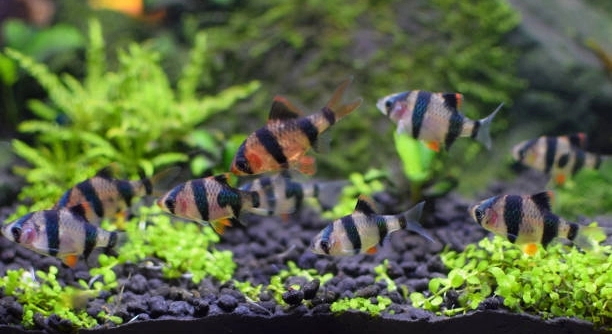
Mixing different barb species in one aquarium can be exciting but requires some care. Many fish owners want to create colorful and lively tanks, but knowing how barb species interact is important. This article will help you understand what to consider before mixing them.
Barb species have varying temperaments, sizes, and water needs, which affect their compatibility. Some are peaceful, while others can be aggressive or territorial, making proper selection and tank setup crucial to maintaining a healthy environment.
Knowing these key points will help you create a balanced and thriving community tank with barbs. Proper knowledge ensures your fish stay healthy and stress-free.
Understanding Barb Species Temperaments
Barbs vary a lot in how they behave. Some species, like Cherry Barbs, are calm and do well in groups without bothering other fish. Others, such as Tiger Barbs, are more active and sometimes aggressive. This means that mixing them without thought can cause stress or injuries. It’s important to know which barbs are peaceful and which ones are more dominant before putting them together. Some barbs chase others or nip fins, which can lead to health problems. Their behavior also changes based on tank size and how many fish are in the tank. A crowded tank may make aggressive behavior worse, while a larger space can help reduce fights. Observing your fish and learning their traits will help you decide which species can live peacefully together.
Different temperaments among barbs influence how well they get along in the same tank.
Choosing the right mix of species can make the aquarium a calm and healthy environment for all fish. Barbs that share similar activity levels and social habits usually do best together. Avoid putting very aggressive barbs with timid ones to prevent bullying. Also, keeping barbs in groups helps reduce stress, especially for species that like to school. This way, you can create a balanced community where fish feel safe. Proper planning of species combinations improves the overall well-being of your aquatic pets and makes tank care easier.
Matching Water and Tank Conditions
Each barb species prefers specific water conditions like temperature, pH, and hardness. Mixing barbs that require very different environments can cause problems. For example, some barbs thrive in slightly acidic water, while others need neutral or slightly alkaline water. If you don’t match these needs, fish may become stressed or sick. It’s important to research the water preferences of each species before adding them to your aquarium.
Barbs also differ in their tank size requirements based on their adult size and activity level.
Smaller barbs like Cherry Barbs do well in smaller tanks, but larger or more active species like Tiger Barbs need bigger tanks with plenty of swimming space. Overcrowding can increase aggression and stress. Providing hiding places such as plants or decorations helps fish feel secure and reduces conflicts. When setting up your tank, consider both the water parameters and the physical space to keep all species comfortable and healthy. This attention to detail ensures your barbs thrive together and look their best.
Feeding Needs and Diet Differences
Barbs have varying dietary preferences that should be considered when mixing species. Some prefer more plant-based foods, while others enjoy protein-rich diets.
Many barbs are omnivores, meaning they eat both plants and small animals. Cherry Barbs tend to favor vegetable matter and algae, while Tiger Barbs enjoy live or frozen protein like bloodworms or brine shrimp. Feeding a mix of high-quality flakes, pellets, and occasional live food meets their nutritional needs. Differences in diet can affect how aggressive they are at feeding time, so feeding in multiple spots helps reduce competition and stress.
Ensuring all species receive appropriate nutrition is essential. Avoid overfeeding, as leftover food can harm water quality. Balancing diet variety and feeding habits supports healthy growth and vibrant colors for all barbs.
Social Behavior and Group Sizes
Barbs often thrive in groups, but their social needs differ. Some require larger schools to feel secure, while others do fine in smaller groups.
Species like Cherry Barbs do best in groups of six or more, which helps them feel safe and reduces aggression. In contrast, Tiger Barbs can be more aggressive, and keeping them in odd numbers sometimes minimizes fighting. Some barbs show schooling behavior, while others are semi-aggressive loners. It’s important to match species with compatible social habits to maintain peace. Group size also impacts their activity and stress levels; a well-sized group encourages natural behavior and reduces boredom.
Planning group sizes based on species traits ensures a more peaceful tank and happier fish overall.
Tank Decorations and Hiding Spots
Barbs appreciate tanks with plenty of hiding spots to reduce stress. Plants, rocks, and decorations create safe spaces for shy or smaller fish. These areas help lower aggression and provide places to rest.
A well-decorated tank mimics a natural environment. It encourages natural behaviors and keeps barbs comfortable.
Monitoring Behavior After Introduction
Watch your fish closely after mixing new barb species. Early signs of stress or aggression include chasing, fin nipping, or hiding excessively. Immediate action can prevent serious injury or death.
If aggression occurs, consider separating species or adjusting tank setup. Sometimes rearranging decorations or adding more plants helps reduce tension. Regular observation is key to maintaining harmony in the aquarium.
Breeding Considerations
Some barb species breed easily and may overpopulate the tank. Others are less likely to breed in captivity.
If you want to avoid overcrowding, plan which species to keep together and how many. Removing eggs or fry can help maintain balance.
Water Quality Maintenance
Good water quality is vital when keeping mixed barbs. Regular testing and water changes prevent harmful buildup. Clean water supports fish health and reduces disease risks.
FAQ
How many barb species can I keep together in one tank?
The number of barb species you can keep together depends on the tank size, species temperament, and compatibility. Generally, it’s safer to mix two or three species with similar temperaments and water requirements. Overcrowding or mixing aggressive species can cause stress and fighting. A larger tank with plenty of hiding spots allows more species, but always observe fish behavior closely to avoid problems.
What is the best tank size for mixing barbs?
A tank of at least 30 gallons is recommended when mixing barbs, especially if you plan to keep multiple species. Larger tanks provide more swimming space and reduce territorial behavior. For more active or larger barbs like Tiger Barbs, consider 40 gallons or more. Providing enough space helps keep aggression low and promotes healthy social interactions.
Can all barbs live in the same water conditions?
No, barbs have varying water preferences. Some prefer slightly acidic water, others neutral or mildly alkaline. Temperature needs also differ but usually fall between 72°F and 79°F. It’s important to research each species’ requirements and find a middle ground that suits all. Consistent water parameters help keep your fish healthy and stress-free.
Are barbs aggressive toward other fish?
Some barb species are more aggressive than others. Tiger Barbs, for example, are known for fin nipping and chasing other fish. Cherry Barbs are more peaceful. Aggression often depends on tank size, group size, and tank setup. Keeping barbs in groups and providing hiding spots can reduce aggression. Avoid mixing very aggressive barbs with delicate or slow-moving fish.
Do barbs require special diets?
Barbs are generally omnivores and eat flakes, pellets, and live or frozen foods. However, diet preferences vary; some prefer more plant-based foods, while others like protein-rich diets. Feeding a balanced variety of foods ensures good health and vibrant colors. Feeding in several spots reduces competition and stress during mealtime.
How often should I clean the tank when keeping mixed barbs?
Regular maintenance is important. Perform partial water changes of 20-30% weekly to maintain water quality. Clean the substrate and decorations as needed to remove waste buildup. Overfeeding and overcrowding increase waste, so careful feeding and stocking help reduce cleaning frequency. Good filtration is also essential.
Can barbs breed in a community tank?
Yes, many barbs breed easily in captivity. Cherry Barbs, for example, spawn often and can quickly overpopulate a tank. Breeding can increase stress if fry are present and resources are limited. If you want to prevent overpopulation, remove eggs or separate breeding pairs. Breeding behavior might also increase aggression during spawning times.
What signs show that barbs are stressed or unhappy?
Stress signs include hiding constantly, loss of color, clamped fins, rapid breathing, or lethargy. Aggressive chasing or fin damage can also indicate stress. Poor water quality and overcrowding are common causes. Observing your fish daily helps catch problems early. Adjusting tank conditions or separating aggressive individuals may be necessary.
Is it necessary to quarantine new barbs before adding them?
Yes, quarantining new fish for 2-3 weeks is recommended to prevent disease spread. It allows you to observe for signs of illness and treat if needed. Quarantine helps protect your established fish and keeps the community tank healthy.
What are the best tank mates for barbs?
Choose tank mates that tolerate similar water conditions and have compatible temperaments. Peaceful species that swim at different levels, like certain tetras or danios, often work well. Avoid slow-moving or long-finned fish that barbs might nip. Researching species compatibility helps prevent conflicts.
How can I reduce fin nipping among barbs?
Providing plenty of space, hiding places, and keeping barbs in groups helps reduce fin nipping. Feeding regularly in multiple locations lowers competition. Avoid mixing very aggressive species or keeping too few barbs, which can increase aggression. Rearranging tank decor occasionally can also disrupt established territories and reduce fights.
What is the ideal temperature range for most barb species?
Most barbs thrive between 72°F and 79°F. Keeping the temperature stable within this range helps reduce stress and supports a strong immune system. Avoid sudden temperature changes by using a reliable heater and monitoring regularly.
Can barbs live with other tropical fish?
Many barbs coexist well with other tropical fish that have similar water needs and temperaments. Avoid pairing barbs with very shy or slow-moving fish, as some barbs may chase or nip them. Matching activity levels helps maintain a peaceful tank. Always monitor interactions when introducing new species.
How important is lighting for barbs?
Moderate lighting is best, mimicking their natural environment. Too bright lighting may stress shy barbs, while too dim can reduce their activity. Live plants also benefit from proper lighting and provide shelter. Balanced lighting helps keep barbs comfortable and active.
What are common diseases barbs might get?
Barbs can suffer from common freshwater fish diseases like ich, fin rot, and fungal infections. Poor water quality and stress increase vulnerability. Early signs include white spots, torn fins, or unusual behavior. Maintaining clean water and quarantining new fish helps prevent outbreaks. Treat promptly if illness occurs.
How can I tell if my barbs are compatible?
Compatibility shows through peaceful swimming, minimal chasing, and shared feeding times without stress. If you notice constant fights, injuries, or hiding, the species may not be compatible. Proper research and observing fish behavior after introduction are key to a harmonious tank.
Mixing different barb species in an aquarium can be a rewarding experience, but it requires careful planning and attention. Understanding each species’ temperament, water needs, and social behavior is essential to create a peaceful tank. Not all barbs get along well, and some can be aggressive or territorial, which can lead to stress and injury. By choosing species that have similar requirements and temperaments, you give your fish the best chance to live together happily. This balance also makes it easier for you to maintain a healthy environment.
Setting up the tank properly is another important factor. Providing enough space, hiding spots, and plants helps reduce aggression and allows each fish to feel secure. Proper tank size and decorations also encourage natural behaviors and reduce boredom. Feeding habits and dietary needs vary among barb species, so offering a balanced and varied diet will keep your fish healthy and colorful. It’s important to feed in several locations to avoid competition and stress during mealtime.
Regular observation and maintenance are key to success. Watching your fish for signs of stress or aggression allows you to act quickly if problems arise. Regular water changes and good filtration keep water quality high, which is vital for fish health. Quarantining new fish before adding them to the tank helps prevent diseases. By paying attention to these details, you can create a thriving community where mixed barb species coexist peacefully and add beauty to your aquarium.

Hello,
If you enjoy the content that we create, please consider saying a "Thank You!" by leaving a tip.
Every little bit helps us continue crafting quality advice that supports the health, happiness, and well-being of pets around the world, for pets of all shapes, sizes, and species.
We really appreciate the kindness and support that you show us!