
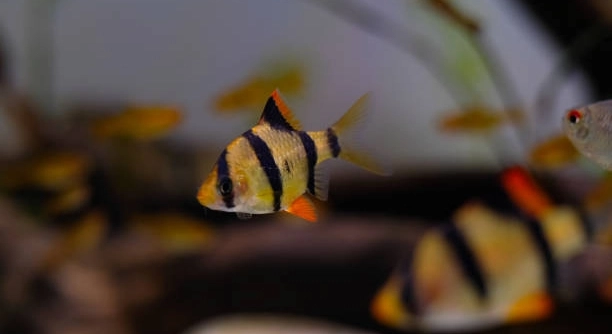
Tiger barbs are popular aquarium fish known for their vibrant colors and lively behavior. Many fish owners want to understand more about their well-being, especially how they experience the world around them. This article explores a common concern about these fish.
Tiger barbs do have a nervous system capable of sensing harmful stimuli, which suggests they can feel pain to some degree. Scientific research supports that fish react to injury and stress, indicating a basic form of pain perception.
Knowing how tiger barbs experience pain helps improve their care and creates a more compassionate environment in home aquariums. The following sections explain this topic in a clear and simple way.
How Tiger Barbs Sense Pain
Tiger barbs have a nervous system that detects harmful stimuli. When they get injured, their bodies release chemicals signaling distress. These signals cause behaviors like rubbing or avoiding certain areas, which show they feel discomfort. While their experience of pain is likely different from humans, their reactions indicate a basic awareness of harm. Fish don’t have the same brain structures as mammals, but they have nerve endings that respond to damage. This means tiger barbs can sense when something is wrong and try to protect themselves. Understanding this helps aquarium owners treat injuries with care and avoid unnecessary harm. By recognizing signs of pain, it becomes easier to provide a safe and healthy tank environment for these lively fish. Proper care includes gentle handling and monitoring water quality to prevent stress and injury. This knowledge is essential for anyone keeping tiger barbs in home aquariums.
Fish show clear reactions to pain through changes in behavior and stress responses.
Pain perception in tiger barbs is important because it affects how they respond to injury and their overall health. Fish rely on avoiding harm to survive, so their ability to sense pain helps them escape threats. Stress caused by pain can weaken their immune system, making them prone to illness. When owners understand this, they can take steps to reduce risks in the aquarium, such as avoiding sharp decorations or aggressive tank mates. Treating injuries promptly and providing clean water supports healing. This approach not only improves their quality of life but also increases their lifespan. Being aware of pain responses encourages better treatment and respect for these fish as living creatures. The more we understand about their sensitivity, the better care they receive, creating a more balanced and healthy aquarium community.
Signs Tiger Barbs Are in Pain
Tiger barbs in pain often show physical and behavioral changes. They might swim less or isolate themselves from other fish. Sometimes they rub against surfaces to relieve irritation or show rapid breathing. These signs point to discomfort or injury.
When you notice such changes, it is important to check the tank for hazards and test water conditions carefully.
Recognizing these symptoms early helps prevent worsening health issues. Injuries can occur from sharp objects, rough handling, or aggressive tank mates. Poor water quality also stresses fish and causes discomfort. Keeping the tank clean and safe reduces risks. Observing behavior regularly allows owners to spot problems quickly and act. Providing hiding spots and gentle companions also supports healing. If pain signs continue, consulting a vet who specializes in fish can be necessary. Understanding how tiger barbs express pain improves their care and well-being. It also builds a responsible approach to aquarium keeping that values fish health. Careful attention to these details ensures a comfortable and stable environment for your fish.
How to Minimize Pain for Tiger Barbs
Keeping the tank clean and well-maintained is crucial to reducing pain and stress for tiger barbs. Proper filtration and regular water changes help prevent infections and injuries. Avoid overcrowding and aggressive fish to protect them from harm.
Sharp decorations or rough surfaces can cause cuts and scratches. Smooth tank decorations and live plants create a safer environment. Monitor fish interactions to prevent bullying or nipping. Feeding a balanced diet strengthens their immune system, helping them heal faster. When handling fish, be gentle and minimize stress to avoid injury. Quarantine new fish before adding them to the main tank to prevent disease spread. Pain management in fish mostly involves prevention since treatment options are limited. Careful tank setup and attentive observation make a big difference in their comfort.
Regular checks for signs of injury and stress allow early intervention. Keeping water parameters stable prevents conditions that may cause discomfort. Creating a calm and safe habitat supports tiger barbs’ health and reduces their chances of pain.
Common Causes of Pain in Tiger Barbs
Injuries from rough tank mates or sharp objects are a frequent cause of pain. Bacterial and fungal infections can also cause discomfort and need immediate attention. Poor water quality with high ammonia or nitrites causes irritation and stress.
Stress is another major factor affecting tiger barbs’ well-being. Sudden changes in temperature or water chemistry can cause physical and behavioral problems. Overfeeding or poor diet weakens their immune system, making them more vulnerable to illness and injury. Aggressive behavior within the tank may lead to fin damage or wounds. Keeping the tank environment stable, clean, and properly stocked reduces these risks. Paying close attention to water parameters and fish behavior helps prevent pain and promotes overall health. Avoiding overcrowding and choosing compatible tank mates are essential steps in preventing stress-related injuries. Regular care and observation are key to maintaining a pain-free environment for tiger barbs.
Treating Pain in Tiger Barbs
Treating pain in tiger barbs starts with identifying the cause. Removing harmful objects or aggressive tank mates is the first step. Maintaining clean water supports recovery and reduces infection risk.
If injuries are visible, applying aquarium-safe antibacterial treatments can help. Quarantining the injured fish prevents spreading disease to others.
Signs You Should Consult a Veterinarian
If your tiger barb shows persistent lethargy, loss of appetite, or worsening wounds despite proper care, professional help may be necessary. Some infections require specialized treatment beyond home remedies. A vet can provide accurate diagnosis and medication, ensuring better chances of recovery.
The Role of Environment in Pain Prevention
A stable, clean environment reduces stress and injury risk. Regular water testing and gentle handling support fish health and comfort.
Avoiding Common Mistakes
Avoid sudden water changes or overcrowding. These can increase stress and cause pain in tiger barbs.
FAQ
Do tiger barbs feel pain like humans do?
Tiger barbs do not feel pain in the same way humans do because their brain structure is different. However, they have nerve endings that detect harmful stimuli, causing them to react to injuries or stress. This means they experience a basic form of pain or discomfort.
How can I tell if my tiger barb is in pain?
Look for changes in behavior such as reduced swimming, hiding, or rubbing against objects. Physical signs include damaged fins, discoloration, or sores. Rapid breathing or loss of appetite can also indicate discomfort or illness.
What should I do if my tiger barb is injured?
First, isolate the injured fish in a quarantine tank to prevent infection spread. Clean the main tank and check water quality. Use aquarium-safe antibacterial treatments if needed. Maintain good water conditions to help healing.
Can water quality affect my tiger barb’s pain or stress?
Yes. Poor water quality with high ammonia, nitrites, or wrong pH causes irritation and stress, which can worsen pain or illness. Regular water testing and maintenance are essential to keep your fish healthy and comfortable.
Are tank mates a cause of pain for tiger barbs?
Aggressive or incompatible tank mates can cause injuries by nipping or bullying tiger barbs. It’s important to choose peaceful companions and monitor fish interactions to reduce stress and prevent harm.
How do I prevent pain in tiger barbs?
Keep the tank clean and properly filtered, avoid overcrowding, and provide smooth decorations without sharp edges. Feed a balanced diet and handle fish gently. Quarantine new fish before adding them to your tank.
Is there medication for pain relief in fish?
There is no specific painkiller for fish like there is for humans. Treatment focuses on addressing injuries or infections and improving tank conditions. Preventing pain by reducing risks is the best approach.
Can stress cause pain in tiger barbs?
Stress weakens the immune system and can make fish more sensitive to injuries or illness. Causes include poor water quality, overcrowding, sudden changes, or aggressive tank mates. Managing stress helps prevent pain.
How often should I check on my tiger barbs?
Daily observation is best. Watching their behavior and appearance regularly helps spot signs of pain, illness, or injury early, allowing for quick action to improve their condition.
What if my tiger barb’s behavior changes suddenly?
Sudden changes might mean pain, illness, or poor water conditions. Test the water and inspect the tank. If problems continue, consult a veterinarian experienced with fish.
Can tiger barbs recover from injuries?
Yes, with proper care and a safe environment, tiger barbs can heal from many injuries. Quick treatment and good water quality are key to their recovery.
Is it normal for tiger barbs to nip each other?
Some fin nipping happens naturally due to their active nature, but excessive aggression can cause pain and injury. Keeping enough space and peaceful companions helps reduce this behavior.
Should I isolate a tiger barb showing pain symptoms?
Isolating injured or stressed fish in a quarantine tank helps prevent disease spread and allows focused care. This also reduces stress from other tank mates.
Can diet affect pain or recovery?
A balanced diet strengthens the immune system, helping fish resist illness and heal faster. Poor nutrition can increase vulnerability to stress and pain.
How can I make my tank safer for tiger barbs?
Use smooth decorations, avoid overcrowding, maintain stable water parameters, and choose compatible tank mates. Regular cleaning and gentle handling reduce risk of injury and pain.
Tiger barbs are lively fish that bring color and movement to any aquarium. Understanding their ability to feel pain helps us take better care of them. Although their experience of pain is not the same as humans, they do react to harmful situations and injuries. Recognizing this basic awareness is important for providing a healthy and comfortable environment. Proper care includes keeping their tank clean, choosing safe decorations, and avoiding overcrowding or aggressive tank mates. These actions help reduce stress and prevent injuries, allowing tiger barbs to live longer and happier lives.
Maintaining good water quality is one of the most effective ways to minimize discomfort for tiger barbs. Regular water changes and filtration keep harmful chemicals like ammonia and nitrites low, which prevents irritation and illness. Stable water temperature and pH also play a vital role in their health. Stress caused by poor water conditions can make fish more vulnerable to infections or slow healing of injuries. Observing your tiger barbs daily for any changes in behavior or appearance can help catch problems early. Acting quickly on signs of pain or illness improves the chances of recovery and keeps your fish comfortable.
Finally, understanding how tiger barbs show pain encourages more responsible and compassionate aquarium care. By paying attention to their needs and environment, it is possible to reduce pain and stress significantly. Using quarantine tanks for new or injured fish, feeding a balanced diet, and minimizing sudden changes all contribute to their well-being. Though fish may not express pain in ways humans easily recognize, their reactions make it clear they deserve careful treatment. This knowledge helps create a safe space where tiger barbs can thrive with less risk of pain and suffering. Taking these steps shows respect for these small creatures and improves the overall quality of life in your aquarium.

Hello,
If you enjoy the content that we create, please consider saying a "Thank You!" by leaving a tip.
Every little bit helps us continue crafting quality advice that supports the health, happiness, and well-being of pets around the world, for pets of all shapes, sizes, and species.
We really appreciate the kindness and support that you show us!