
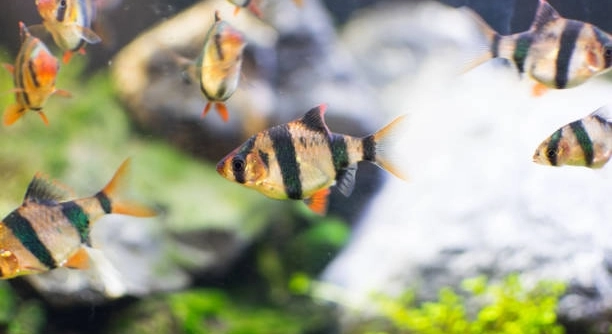
Tiger Barbs and Corydoras are popular choices for freshwater aquariums. Many fishkeepers consider housing them together to create a lively and diverse tank. Understanding their compatibility helps ensure a peaceful and healthy environment for both species.
Tiger Barbs and Corydoras can live together under proper conditions, but caution is necessary. Tiger Barbs are semi-aggressive and may nip fins, while Corydoras are peaceful bottom dwellers. Providing sufficient space and hiding spots reduces stress and potential conflicts.
Knowing how these fish interact helps maintain a balanced community tank. Proper care and setup are key to a harmonious aquatic environment for both species.
Behavior and Temperament of Tiger Barbs and Corydoras
Tiger Barbs are known for their energetic and sometimes aggressive behavior. They are active swimmers who often nip at the fins of slower or long-finned tank mates. This fin-nipping can stress other fish if the tank is too small or lacks hiding places. Corydoras, on the other hand, are peaceful bottom dwellers that prefer to stay close to the substrate. They move slowly and spend much of their time scavenging for food. Because of their calm nature, Corydoras are generally not aggressive and avoid confrontation. The key to keeping these two species together is ensuring enough space and proper tank setup. Tiger Barbs need room to swim actively, while Corydoras need areas where they can hide or rest. Balancing these needs helps minimize conflicts and allows both species to thrive in the same aquarium.
Corydoras’ peaceful temperament makes them less likely to provoke Tiger Barbs, reducing the chance of aggressive interactions.
Providing an environment that respects their natural behaviors is important. Corydoras like soft substrate to protect their delicate barbels and enjoy shaded spots or plants for shelter. Meanwhile, Tiger Barbs require open swimming areas and sometimes even a small school to reduce aggression by dispersing their energy. Understanding these behaviors helps maintain a balanced tank where both species coexist peacefully.
Tank Setup Recommendations for Mixed Species
A well-planned tank setup is essential for harmony. Choose a tank size of at least 30 gallons to give Tiger Barbs plenty of swimming space. Provide smooth, fine substrate to protect Corydoras’ barbels from injury. Incorporate live plants and decorations to create hiding spots and break sightlines.
Maintaining good water quality is important for both species. Regular water changes and a reliable filtration system keep the environment stable. Corydoras prefer slightly softer and more acidic water, but both fish can adapt within reasonable ranges. Temperature should be kept between 74 and 78°F to suit both species comfortably. Monitoring these parameters prevents stress and disease. A peaceful, spacious tank with thoughtful decor promotes coexistence and healthy fish behavior over time.
Feeding Habits and Diet Compatibility
Tiger Barbs are omnivores with a preference for protein-rich foods. Corydoras primarily eat sinking pellets and detritus from the tank bottom.
Providing a varied diet that meets both species’ needs is important. Tiger Barbs enjoy flakes, frozen foods, and live insects, while Corydoras require softer, sinking foods to prevent competition. Feeding multiple times a day in small amounts helps avoid aggression during feeding. Separating feeding zones can reduce stress, ensuring both fish get proper nutrition without conflict or overeating. Observing their eating habits allows adjustment of feeding routines to keep both species healthy.
Overfeeding can lead to poor water quality, which affects both species. A balanced feeding schedule supports their energy levels and natural behaviors. Consistency and attention to diet quality contribute significantly to their well-being.
Potential Health Concerns When Housing Together
Stress from aggression or poor tank conditions can weaken immune systems in both Tiger Barbs and Corydoras. Injuries from fin-nipping may cause infections in Corydoras if untreated. Regular monitoring for signs of stress or illness is essential to prevent serious health problems.
Maintaining clean water and a balanced diet helps reduce disease risk. Quarantining new fish before introduction protects the community from contagious illnesses. Proper tank maintenance and observation promote a stable environment where both species can live healthily without constant risk.
Corydoras are sensitive to water parameters, so avoiding sudden changes is crucial. Tiger Barbs’ active nature can sometimes increase stress, but with proper care, health issues are manageable. Ensuring good conditions helps minimize the impact of any aggression or environmental stress.
Ideal Tank Mates for Tiger Barbs and Corydoras
Choosing the right tank mates can reduce stress and aggression. Peaceful species that occupy different tank levels work best. Avoid slow-moving or long-finned fish that may attract fin-nipping from Tiger Barbs.
Active mid-level swimmers like danios or barbs can complement Tiger Barbs well. Small, peaceful bottom dwellers such as kuhli loaches pair nicely with Corydoras.
Monitoring Behavior and Adjusting as Needed
Regularly watch interactions between Tiger Barbs and Corydoras. Early signs of stress or aggression should prompt adjustments. Adding more hiding spots or increasing tank size can help reduce conflicts.
Changes in behavior may require temporary separation or rearranging tank decorations. Staying proactive ensures a calmer tank environment for both species.
Breeding Considerations for Tiger Barbs and Corydoras
Breeding behavior differs greatly between these species. Tiger Barbs often spawn in groups and can be aggressive during this time. Corydoras lay eggs on surfaces and tend to be peaceful parents. Breeding in a community tank requires monitoring to protect eggs and fry from other fish.
Water Parameters for a Healthy Aquarium
Maintaining stable water parameters is crucial. Temperature should be consistent, with gentle filtration to avoid stressing the fish. Regular testing helps catch changes early, ensuring both species stay healthy and comfortable.
FAQ
Can Tiger Barbs and Corydoras share the same tank without problems?
They can live together, but some care is needed. Tiger Barbs are active and may nip fins, which can stress Corydoras. Providing enough space and hiding spots helps reduce tension. A tank of at least 30 gallons with plants and decorations allows both species to coexist more peacefully.
How many Tiger Barbs should be kept together to minimize aggression?
Keeping Tiger Barbs in groups of six or more helps spread out their energy and reduces fin-nipping behavior. When they are in small numbers, they tend to focus aggression on other tank mates. Larger schools encourage natural schooling behavior and keep them busy.
What kind of substrate is best for Corydoras when housed with Tiger Barbs?
Soft, fine substrates like sand or smooth gravel protect Corydoras’ sensitive barbels. Rough or sharp substrate can cause injury. Since Corydoras spend most of their time at the bottom, having a safe surface is important for their health.
Do Tiger Barbs eat the same food as Corydoras?
Tiger Barbs are omnivores and enjoy a variety of foods, including flakes, pellets, and live or frozen protein sources. Corydoras are bottom feeders and prefer sinking pellets or wafers. Feeding in different zones of the tank can help ensure both species get proper nutrition.
Will Tiger Barbs bother Corydoras during feeding?
Tiger Barbs can be competitive at feeding times, especially if food is limited. Offering food at various spots in the tank and multiple times a day helps prevent aggression and ensures Corydoras can eat without stress.
What water temperature suits both Tiger Barbs and Corydoras?
Both species thrive in temperatures between 74°F and 78°F. Maintaining stable temperature within this range supports their health. Sudden temperature changes can cause stress or illness.
Are Tiger Barbs and Corydoras sensitive to water parameters?
Corydoras are more sensitive to water quality and prefer slightly softer, slightly acidic to neutral water. Tiger Barbs are hardier but still benefit from stable conditions. Regular water testing and maintenance are important for both.
How can I tell if Tiger Barbs are stressing Corydoras?
Signs include Corydoras hiding excessively, loss of appetite, or damaged fins. If Corydoras seem withdrawn or have visible injuries, it may mean Tiger Barbs are being too aggressive. Adjusting tank setup or separating fish temporarily may be needed.
Can Tiger Barbs and Corydoras breed in the same tank?
Both can breed, but conditions must be right. Tiger Barbs often become more aggressive during spawning. Corydoras lay eggs on surfaces, and fry may be at risk from other fish. Providing separate breeding areas or tanks is usually best.
What tank size is recommended for keeping these species together?
A minimum of 30 gallons is recommended to provide enough space for Tiger Barbs’ active swimming and Corydoras’ bottom dwelling. Larger tanks help reduce territorial behavior and aggression.
How important are hiding spots in a shared tank?
Very important. Plants, caves, and decorations give Corydoras places to hide from active Tiger Barbs. This lowers stress and supports natural behavior. The more hiding places, the better the chances for peaceful coexistence.
Is it necessary to quarantine new fish before adding them?
Yes. Quarantining helps prevent introducing diseases into the tank. Both species can carry illnesses that spread quickly in a community aquarium. A quarantine period of two weeks is usually recommended.
What are common health issues when these fish share a tank?
Stress-related illnesses like fin rot or infections are common if aggression is high or water quality is poor. Injuries from fin-nipping can become infected. Maintaining good water quality and monitoring behavior reduces risks.
How often should water changes be done?
Weekly water changes of 20-30% help maintain good water quality. This supports the health of both Tiger Barbs and Corydoras by keeping ammonia, nitrite, and nitrate levels low.
Can Tiger Barbs live peacefully with other bottom dwellers besides Corydoras?
Yes. Other peaceful bottom dwellers like kuhli loaches or small plecos often get along well with Tiger Barbs. It’s best to avoid slow-moving or long-finned bottom fish, which may attract fin-nipping.
What can I do if Tiger Barbs are too aggressive?
Increase tank size, add more hiding spots, or increase the number of Tiger Barbs to spread out aggression. If problems persist, separating aggressive individuals or choosing different tank mates might be necessary.
How often should I feed Tiger Barbs and Corydoras?
Feeding small amounts two to three times daily prevents overfeeding and reduces competition. Multiple feedings help maintain energy and reduce stress during feeding time.
Are there signs that Corydoras are unhappy with their tank mates?
Hiding too much, loss of appetite, and damaged barbels are signs Corydoras may be stressed by tank mates. Behavior changes indicate a need to adjust the environment or fish selection.
Is it okay to keep only one Corydoras with Tiger Barbs?
Corydoras are social fish that prefer groups of at least four to five. A single Corydoras can become stressed and vulnerable. Keeping a small group improves their well-being and helps them feel secure.
What are the ideal lighting conditions for a mixed tank?
Moderate lighting supports plant growth and creates natural hiding spots. Bright lights can stress Corydoras if there are no shaded areas, so balance is key. Using floating plants or decorations to diffuse light helps.
How do I maintain a peaceful community tank with Tiger Barbs and Corydoras?
Provide plenty of space, hiding places, and proper feeding routines. Monitor behavior closely and act quickly to adjust if aggression or stress appears. Regular maintenance of water quality supports a healthy environment for all fish.
Tiger Barbs and Corydoras can coexist in the same aquarium when the conditions are right. Understanding their different behaviors and needs is essential to create a balanced environment. Tiger Barbs are active and sometimes aggressive fish that swim in the middle and upper parts of the tank. Corydoras are peaceful bottom dwellers who prefer soft substrate and hiding spots. Giving each species enough space and appropriate tank setup helps reduce stress and prevents conflicts. This careful planning can lead to a successful and peaceful community aquarium.
Tank size plays a significant role in their ability to live together. A tank of at least 30 gallons provides enough room for Tiger Barbs to swim actively and for Corydoras to explore the bottom comfortably. Providing plenty of plants, decorations, and hiding spots benefits both species. Tiger Barbs will have space to school and reduce aggression, while Corydoras will have places to rest and avoid unwanted attention. Regular water maintenance and monitoring water parameters are also crucial for the health of both fish. Stable temperature, good filtration, and clean water support their well-being and longevity.
Feeding habits are another factor to consider. Tiger Barbs are omnivores that need a variety of foods, including flakes, pellets, and protein-rich live or frozen options. Corydoras feed mainly on sinking pellets and detritus at the bottom. Feeding in different zones of the tank and multiple times a day ensures that both species get enough nutrition without competing aggressively. Watching their behavior during feeding helps make adjustments if needed. Overall, with proper care, attention, and a thoughtful tank setup, Tiger Barbs and Corydoras can live together peacefully, creating a vibrant and diverse aquarium.

Hello,
If you enjoy the content that we create, please consider saying a "Thank You!" by leaving a tip.
Every little bit helps us continue crafting quality advice that supports the health, happiness, and well-being of pets around the world, for pets of all shapes, sizes, and species.
We really appreciate the kindness and support that you show us!