
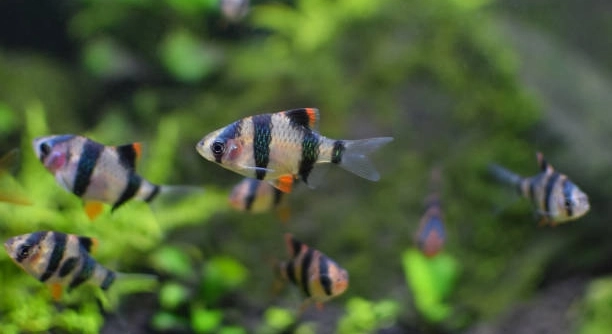
Are your tiger barbs active and playful, but hesitant to come near you during feeding time? Training them to feed by hand takes time and patience, but it can be a rewarding experience for both you and your fish.
The most effective way to train tiger barbs to feed by hand is through consistent interaction, gradual trust-building, and food association. Using gentle movements and offering their favorite treats regularly will encourage them to approach you willingly.
Understanding these simple techniques can help you build a stronger bond with your tiger barbs and create a more engaging feeding routine.
Choose the Right Time to Start Training
Begin training your tiger barbs when they are most alert and responsive, usually right before their scheduled feeding time. At this moment, their attention is on food, making them more likely to interact. Avoid training after they’ve eaten or during water changes, as they may be less interested. Start by standing near the tank at the same time each day so they associate your presence with food. Consistency in timing helps reduce stress and builds a sense of routine. Over time, your fish will begin to recognize that feeding and your presence are connected.
Pick a quiet time when the tank environment is calm. This prevents distractions that could make the fish hesitant.
Establishing this routine also helps your tiger barbs become familiar with your movements. If you approach slowly and avoid sudden gestures, they’ll start to see you as a non-threatening part of their daily feeding experience.
Use Their Favorite Food as a Reward
Select treats your tiger barbs love and offer them during training sessions to grab their attention.
Start by placing the treat in the water with your fingers just slightly submerged. Let them see and smell it while keeping your hand steady. At first, they might ignore or hesitate, which is normal. Do not force any interaction—just repeat the same process daily. Gradually reduce the distance between the food and your hand, until they begin eating directly from your fingers. Avoid switching foods during this time, as consistency helps them associate the scent and taste with a safe experience. Stick with small portions to keep them interested and prevent overfeeding. Repetition builds trust, and in time, the barbs will begin to respond more eagerly. Once they are comfortable, slowly introduce other hand-fed treats to add variety without breaking the training pattern.
Be Patient and Let Them Set the Pace
Rushing the process can make tiger barbs more nervous. Allow them to adjust at their own speed, especially if they’re shy or hesitant around hands.
Start by keeping your hand in the tank for a few minutes without food. Let them get used to your presence without any pressure. Some may come close out of curiosity, while others might stay back. Over time, their curiosity will increase, especially if your hand becomes part of their feeding routine. Avoid making sudden movements, and keep your hand relaxed. Gradually introduce food again only after they seem calm and interested. This slow and steady approach builds trust more effectively than forcing interaction.
Once they associate your hand with feeding and feel safe, they will start approaching on their own. Training tiger barbs takes consistency and a gentle approach. Stick with short daily sessions and let their behavior guide how far you go each time.
Minimize Distractions Around the Tank
Loud noises, quick movements, and crowded areas can easily distract or scare your tiger barbs during training sessions. Reducing these external factors helps keep them focused and comfortable while they’re learning to feed from your hand.
Choose a quiet time of day when the room is calm. Turn off nearby electronics, and avoid walking back and forth in front of the tank. Even shadows or reflections can startle them. Sit or stand still and make your movements slow and predictable. Covering part of the tank with a light cloth can help block distractions if needed. Over time, this quiet setting creates a space where they feel safe. When the environment is calm, your fish will focus better on the food and your hand. Making this space feel predictable helps them stay engaged during each training session.
Repeat the Same Motions Every Day
Use the same hand, approach the tank from the same direction, and move at the same speed every time. This repetition helps your tiger barbs feel safe and recognize the routine. Predictability is key to reducing stress and encouraging consistent feeding behavior from your fish.
Keep your hand in the tank for the same amount of time during each session. If you offer food, use the same type and position it the same way. Over time, your tiger barbs will associate these repeated motions with a safe and positive experience, which builds trust and encourages them to come closer.
Keep Sessions Short and Consistent
Limit each training session to just a few minutes. Long sessions may overwhelm your tiger barbs and make them retreat. Keeping it short helps them stay relaxed. Once they lose interest, stop and try again the next day. The goal is steady progress, not instant results.
Training at the same time each day also builds consistency. Fish thrive on routine, and recognizing the same pattern daily makes the experience familiar. Avoid skipping sessions, as this can confuse them or set back progress. Over time, even the more hesitant fish will begin to associate your hand with feeding time. As trust grows, you’ll notice them swimming closer, observing your hand, and eventually accepting food directly. Stick to this pattern, and don’t be discouraged by small setbacks—patience and consistency make the biggest difference.
Avoid Overcrowding During Training
Only keep a manageable number of fish in the tank during training. Too many active barbs can cause distractions or aggressive behavior, making it harder for individuals to focus on hand feeding. Less competition helps build calm, focused feeding sessions.
FAQ
How long does it usually take to train tiger barbs to feed by hand?
Training time varies depending on the fish’s personality and your consistency. Some tiger barbs may begin feeding by hand within a week, while others might take several weeks or even months. Regular, calm sessions and patience are essential to success. Avoid rushing the process, as forcing interaction can cause stress and setbacks.
What kind of food works best for hand feeding tiger barbs?
Small, live or frozen foods such as bloodworms or brine shrimp are often most effective. These treats are highly attractive to tiger barbs and encourage them to approach your hand. You can also use high-quality sinking pellets or flakes, but it may take longer for fish to respond to these compared to live foods. Consistency in food choice helps build trust.
Can all tiger barbs be trained to feed by hand?
Not every tiger barb will respond the same way. Individual fish have different temperaments—some are naturally more curious and bold, while others remain shy. While many tiger barbs can be trained, some might never fully feel comfortable feeding directly from your hand. Adjust expectations accordingly and respect their limits.
Is it safe to put my hand in the aquarium every day?
Yes, as long as your hands are clean and free of soaps, lotions, or chemicals, it is safe. Always wash your hands thoroughly before reaching into the tank. Avoid sudden movements and be gentle to prevent stressing your fish or damaging the aquarium environment.
What if my tiger barbs keep biting my fingers?
Tiger barbs may nip if they mistake fingers for food or feel threatened. To reduce nipping, keep your hand still and offer small amounts of food rather than waving your fingers. If nipping continues, try using feeding tools like tweezers to feed until the fish become more comfortable with your hand.
How often should I train my tiger barbs to feed by hand?
Short daily sessions are best. Five to ten minutes per day creates routine without overwhelming the fish. Consistency helps fish recognize your hand as a food source. Avoid longer sessions or feeding too often by hand to prevent overfeeding or stress.
Can hand feeding cause health problems for my fish?
If done carefully, hand feeding does not cause harm. Overfeeding or introducing unclean hands can lead to health issues. Always practice good hygiene, feed small portions, and maintain proper tank conditions. Observe your fish for any signs of stress or illness throughout training.
What if my tiger barbs don’t respond to hand feeding after weeks of training?
Some fish may take longer to adjust or might never fully accept hand feeding. Try changing the feeding time, food type, or reduce distractions around the tank. If they still don’t respond, it may be best to respect their preference and feed them traditionally.
Can hand feeding help with fish bonding or trust?
Yes, hand feeding can strengthen the bond between you and your fish. It builds familiarity and reduces fear, encouraging fish to be more interactive and comfortable with your presence. This relationship can improve their overall well-being.
Is it okay to train other fish species to feed by hand in the same tank?
Some species can learn to feed by hand, but not all. Tiger barbs are active and social, so training them alongside compatible species is possible. However, aggressive or very shy species might interfere with training or feel stressed. Monitor interactions closely if you attempt hand feeding multiple species.
Training tiger barbs to feed by hand can be a rewarding experience, but it requires patience and consistency. These fish are naturally active and curious, yet they can be shy around new objects like your hand. Taking small, steady steps to build trust helps them feel safe and willing to approach. By feeding them at regular times with their favorite foods, you create a routine that they begin to recognize and respond to positively. Over time, this routine reduces their fear and encourages closer interaction.
It is important to remember that every tiger barb is different. Some may take to hand feeding quickly, while others might remain hesitant despite your efforts. This does not mean you are doing anything wrong. Fish, like any animals, have their own personalities and comfort levels. Respecting their pace and not forcing contact helps maintain a healthy environment for your fish. Using gentle movements and keeping training sessions short keeps stress low, which benefits both you and your fish.
Finally, hand feeding your tiger barbs can strengthen your connection with them and make feeding time more enjoyable. It allows you to observe their behavior more closely and notice subtle changes in health or mood. Keeping the tank calm and minimizing distractions during training supports this positive experience. Remember, patience and consistency are key. With time, your tiger barbs may learn to associate your hand with food and come to you willingly, adding a new level of interaction to your aquarium care routine.

Hello,
If you enjoy the content that we create, please consider saying a "Thank You!" by leaving a tip.
Every little bit helps us continue crafting quality advice that supports the health, happiness, and well-being of pets around the world, for pets of all shapes, sizes, and species.
We really appreciate the kindness and support that you show us!