
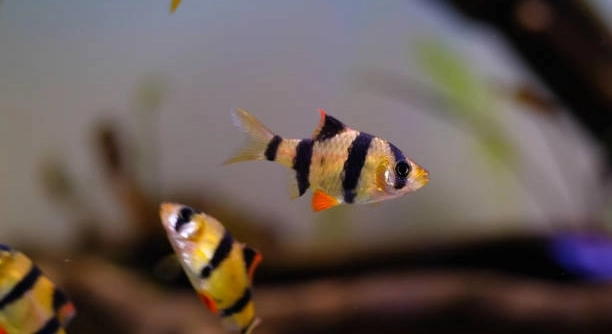
Is your tiger barb spending more time lying at the bottom of the tank, leaving you unsure about what might be wrong?
The most common reason your tiger barb is lying at the bottom is due to stress, poor water conditions, or illness. These factors can weaken its immune system and energy levels, affecting its behavior and overall health.
Learning what triggers this behavior can help you take the right steps to support your fish’s recovery and maintain a healthy aquarium.
Common Reasons Your Tiger Barb Is Staying at the Bottom
Tiger barbs often settle at the bottom when something in their environment changes. Stress is one of the most common reasons, triggered by aggressive tank mates, poor water conditions, or sudden changes in temperature. These fish are active swimmers, so when they stop moving around, it’s usually a sign something isn’t right. It could also mean they are unwell—swim bladder issues, infections, or parasites can affect how they swim or where they rest. Observing their behavior closely can help you figure out what’s going on. If they appear sluggish, hide more than usual, or have clamped fins, these are early signs you shouldn’t ignore.
A stressed or sick tiger barb won’t eat much and may avoid other fish in the tank.
Tank mates matter too. Keeping tiger barbs with slow or long-finned fish can cause tension. Their natural fin-nipping behavior may create stress for others and for themselves. Keeping them in groups of at least five to six reduces aggression within the species and helps maintain harmony. Check your water regularly for pH, ammonia, and nitrate levels. Make sure your filter is working well, and avoid overfeeding. These small steps can help keep your tiger barb active and comfortable in its space.
What You Can Do to Help
Start by testing your tank water. Look for high ammonia, nitrite, or nitrate levels, and monitor the pH and temperature.
If water conditions seem off, perform a partial water change—about 25%—and clean your filter if it’s overdue. Consistent maintenance helps prevent stress and illness. Also, observe if your tiger barb is being bullied or isolated. If it’s alone or in a group that’s too small, it can become anxious. Consider adding more tiger barbs if your tank size allows. Feeding quality food is another key step. Provide a balanced diet of flakes, pellets, and occasional live or frozen food. Avoid sudden lighting changes or tapping the tank, as this can scare the fish. If your tiger barb still shows signs of illness, such as white spots, bloating, or discoloration, you may need to isolate it and treat with appropriate medication. Watch closely for improvement or worsening symptoms. These actions can help your tiger barb recover and feel more secure.
Recognizing Signs of Illness in Tiger Barbs
Watch for clamped fins, pale coloring, or erratic swimming. These signs often appear before more serious symptoms develop. A healthy tiger barb is active and social, so any changes in behavior should be taken seriously and addressed quickly.
Loss of appetite, staying near the bottom, or separating from the group are early signs of stress or illness. You might also notice white spots (a sign of ich), bloating, or redness near the gills, which could point to bacterial infections. Catching these symptoms early can help you treat the issue before it becomes more severe. Medication can help, but it’s important to identify the problem first. Make sure to remove carbon from your filter if treating with medicine. Isolation in a separate tank may be necessary for infections that could spread to other fish.
Swim bladder problems can also cause a tiger barb to sink to the bottom. These issues are often caused by constipation, poor diet, or bacterial infection. If your fish is struggling to swim or float upright, reduce feeding for a day and then offer a cooked, peeled pea. Peas can help move things through their digestive system. If the problem persists, a swim bladder infection may be present, and targeted treatment will be needed. Always research medications before use to avoid harming beneficial bacteria in your tank.
Creating a Comfortable Tank Environment
Maintaining a healthy environment helps reduce stress and keeps tiger barbs active. A stable temperature between 74°F and 79°F and a pH around 6.5 to 7.5 are ideal. Make sure your tank is large enough for a group of active swimmers.
A well-balanced tank starts with good filtration and regular water testing. Tiger barbs thrive in groups, so keeping at least five together helps prevent aggression. Avoid placing them with slow or long-finned fish to reduce tension. Adding plants or hiding spots creates a more natural setting and helps shy fish feel secure. Keep lighting soft and steady, and avoid sudden changes. Clean the tank weekly, but don’t over-clean, as this can disrupt the bacterial balance. Feed high-quality food in small amounts twice a day. Uneaten food should be removed to prevent spikes in ammonia. These consistent habits help your tiger barbs stay active, social, and comfortable in their space.
How Stress Affects Tiger Barbs
Stress weakens the immune system and makes tiger barbs more vulnerable to illness. It can be caused by poor water quality, sudden changes in the tank, overcrowding, or incompatible tank mates that create tension and discomfort.
Chronic stress can lead to color fading, erratic swimming, or hiding. It may also reduce appetite and energy.
When to Isolate a Tiger Barb
Isolation is helpful if your tiger barb shows signs of infection, injury, or unusual behavior that doesn’t improve with basic tank adjustments. A separate hospital tank gives the fish a quiet space to recover without added pressure from other tank mates. Use water from the main tank and match the temperature to avoid additional stress. Keep the environment simple and clean. Observe the fish daily and treat with medication if needed. Return it only once it’s active, eating well, and free of symptoms to prevent spreading illness to the main tank.
How Often to Monitor Behavior
Check on your fish daily while feeding. Sudden changes in activity, posture, or appetite are early signs something may be wrong.
FAQ
Why is my tiger barb breathing heavily at the bottom of the tank?
Heavy breathing at the bottom can be caused by poor water quality or low oxygen levels. When ammonia, nitrites, or nitrates are high, fish become stressed and have trouble breathing. Always check your water parameters with a test kit if you notice this behavior. High temperatures can also reduce oxygen in the water, making it harder for fish to breathe. Make sure your filter is circulating water properly and consider adding an air stone to increase oxygen. If the issue continues, a gill infection or internal issue may be the cause and could need medication.
Can low temperature cause a tiger barb to stay at the bottom?
Yes, cold water slows down a tiger barb’s metabolism and energy. These fish do best between 74°F and 79°F. If the water gets too cold, they may become lethargic and spend more time resting near the bottom. Use a reliable aquarium heater and thermometer to keep the temperature steady. Sudden drops can shock the fish, so avoid placing the tank near windows or drafts. Check the heater regularly to ensure it’s working properly and not causing fluctuations that might stress your fish.
Is it normal for tiger barbs to sleep at the bottom?
Yes, it’s normal for tiger barbs to rest near the bottom during the night or when the lights are off. They are diurnal fish, meaning they are active during the day and rest at night. A sleeping fish usually stays still but looks healthy, with no signs of distress. If your barb resumes swimming and eating normally when the lights return, there’s likely nothing to worry about. Make sure your lighting schedule stays consistent to support their natural rhythm and reduce unnecessary stress.
How can I tell if my tiger barb is constipated?
Constipated tiger barbs may have a swollen belly and may stop eating. You might notice them struggling to swim or having stringy feces. Feeding peas can help clear their system—just remove the skin and give small bits. Don’t feed for 24 hours before offering the pea. Constipation is usually caused by a diet lacking variety or overfeeding. Rotating between high-quality flakes, pellets, and frozen food can prevent this issue. Make sure to remove uneaten food to maintain water quality.
Can tank size cause tiger barbs to lie at the bottom?
Yes, if the tank is too small, tiger barbs can become stressed and lethargic. These fish are active swimmers and need plenty of space. A 20-gallon tank is the minimum for a small group, but larger is better. Overcrowding or lack of swimming space can increase aggression and reduce activity. Make sure the tank has open areas for swimming and hiding spots to help them feel secure. Proper tank size helps maintain stable water conditions, which supports their health and reduces stress-related behavior.
Should I treat the whole tank if one tiger barb is sick?
Not always. If only one fish shows signs of illness, it’s often better to isolate it in a separate tank for treatment. This prevents exposing the others to unnecessary medication. However, if multiple fish are showing symptoms, treating the main tank may be necessary. Always follow dosing instructions and remove carbon from your filter before starting treatment. Watch all your fish closely during this time. If the illness spreads, it’s safer to treat the whole tank and improve water quality to prevent future outbreaks.
Do tiger barbs get depressed or lonely?
Tiger barbs are social and need to live in groups of at least five. Keeping just one or two can lead to stress, anxiety, or inactivity. A single fish may stay at the bottom, avoid eating, or hide more often. Keeping a proper group helps reduce aggression and gives them a sense of safety. You’ll notice better color, more activity, and natural schooling behavior when they’re in a group. If your fish looks dull or withdrawn, adding more barbs may improve its behavior and well-being.
How long should I wait before worrying if my tiger barb is on the bottom?
If your tiger barb rests briefly but returns to normal behavior, it’s likely nothing serious. But if it stays there for more than a few hours, especially with other symptoms like clamped fins, labored breathing, or no appetite, you should act quickly. Check the water first, then look for physical signs of illness. Addressing issues early gives your fish the best chance to recover.
Final Thoughts
Tiger barbs are active, social fish that usually swim near the middle of the tank. When one suddenly starts lying at the bottom, it often means something is off in its environment or health. It may be a response to stress, water quality issues, or even a sign of illness. Sometimes it’s a combination of small problems building up over time. By paying attention to behavior changes and checking tank conditions regularly, you can often catch problems early. Most causes are fixable with a few careful steps and some attention to detail.
The most important things to monitor are water quality, tank temperature, and social dynamics in the group. A stable environment makes a big difference. Make sure your tank is large enough for a group, has good filtration, and includes a few hiding spots. Feeding a variety of high-quality food also helps keep them healthy. If one of your tiger barbs does get sick, separating it from the group may allow it to rest and recover without extra stress. Medications can help if the problem is caused by parasites or infection, but they should be used with care. Watch all your fish closely and adjust conditions as needed.
Taking the time to learn about your fish and their behavior helps you keep a balanced tank. It’s normal for fish to rest sometimes, but long periods of inactivity shouldn’t be ignored. Keeping tiger barbs healthy means meeting their basic needs, avoiding sudden changes, and observing their behavior. A healthy group of tiger barbs will swim actively, eat well, and interact with each other throughout the day. If something changes, your quick response can often make all the difference. When their needs are met, these fish thrive and bring a lot of life to your aquarium.

Hello,
If you enjoy the content that we create, please consider saying a "Thank You!" by leaving a tip.
Every little bit helps us continue crafting quality advice that supports the health, happiness, and well-being of pets around the world, for pets of all shapes, sizes, and species.
We really appreciate the kindness and support that you show us!