
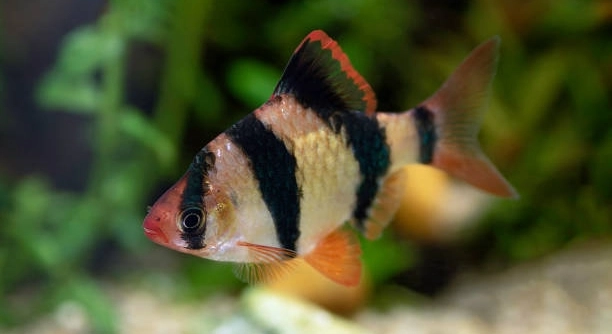
Tiger barbs are lively, colorful fish that many enjoy keeping in home aquariums. Sometimes, these fish can become aggressive and start fighting with each other. Knowing how to handle this behavior is important for maintaining a peaceful tank.
When tiger barbs begin fighting, the best approach is to reduce stress by increasing tank size, providing hiding spots, and adjusting the number of fish. Separating overly aggressive individuals may also be necessary to restore balance.
Learning simple ways to manage aggression can help keep your tiger barbs healthy and your aquarium calm. This article will guide you through practical steps to handle fighting effectively.
Why Do Tiger Barbs Fight?
Tiger barbs can be aggressive because they are naturally territorial and active swimmers. When they feel crowded or stressed, their fighting behavior often increases. In a small tank or one without enough hiding spots, their natural instincts cause them to chase and nip at each other. This can lead to injuries or constant stress for the fish. Sometimes, the mix of males and females or uneven group sizes also triggers aggression. Understanding their behavior helps prevent and reduce these conflicts. Providing a suitable environment with enough space and plants can calm them down and reduce the urge to fight.
Aggression is usually a sign of discomfort in their environment. Fixing tank conditions often improves their behavior quickly.
Proper tank setup and care are essential to keeping tiger barbs peaceful. A tank of at least 30 gallons with plenty of decorations lets fish hide and escape when needed. Keeping them in groups of six or more can spread out aggressive tendencies. Regular water changes and stable water parameters keep stress low. If fighting continues, isolating aggressive fish might be necessary for the safety of others.
How to Stop Tiger Barbs From Fighting
Start by checking if the tank is too small or overcrowded. A larger tank reduces competition for space. Adding plants, rocks, or decorations creates hiding places and breaks lines of sight. This helps fish feel safe and less aggressive.
Sometimes changing the group size helps. Keeping more tiger barbs together spreads out their energy and reduces bullying. Avoid keeping just one or two, as they may become targets. Monitoring their behavior regularly lets you catch problems early before injuries occur. If needed, separate the most aggressive fish into a different tank to keep the main group calm.
Managing Aggressive Behavior Quickly
If you notice fighting, try rearranging tank decorations. This breaks established territories and can stop ongoing aggression.
Separating aggressive tiger barbs into a quarantine tank gives others a chance to calm down. Adding more hiding spots also helps fish escape when they feel threatened. Make sure water quality is good to reduce stress. Stress often makes aggression worse.
Feeding the fish well and on a regular schedule can distract them from fighting. Sometimes, a varied diet with quality flakes and frozen foods helps keep them content and less likely to nip.
Monitoring and Long-Term Prevention
Keeping a close eye on your tiger barbs’ behavior helps catch problems early. Look for signs like nipping, chasing, or hiding too much. Early action prevents serious injury.
Maintaining stable water conditions is crucial. Sudden changes in temperature or chemistry increase stress and aggression. Regular water testing and partial changes keep the environment comfortable. Avoid overcrowding by sticking to recommended stocking levels.
Over time, consistent care and a well-planned tank setup lead to peaceful interactions. Proper group sizes, hiding places, and good nutrition all play a role in keeping your tiger barbs calm and healthy.
Tank Setup Tips for Peaceful Tiger Barbs
Use plenty of plants and decorations to create hiding spots. These give fish places to retreat and reduce stress.
Arrange the tank so no single area becomes a strong territory. This helps lower fighting over space.
Ideal Group Size and Composition
Tiger barbs do best in groups of six or more. Larger groups spread aggression and reduce bullying of individual fish. Keeping only a few tiger barbs often leads to more intense fighting. Try to maintain a balanced mix of males and females to avoid dominance issues. Regularly observe how the group interacts and adjust if certain fish become too aggressive. Proper group size and balance make a big difference in keeping the tank peaceful over time.
When to Separate Aggressive Fish
Separate fish that cause harm to others. This prevents injury and stress.
FAQ
Why are my tiger barbs fighting so much?
Tiger barbs fight mainly because they are territorial and active by nature. Overcrowding or a small tank size makes them feel stressed, which triggers aggressive behavior. Lack of hiding spots and uneven group sizes can also cause more fighting. Ensuring enough space, plants, and a proper number of fish usually helps reduce aggression.
How big should my tank be to prevent fighting?
A tank of at least 30 gallons is recommended for a small group of tiger barbs. Bigger tanks provide more swimming space and reduce territorial disputes. More space means less stress and fewer chances for fish to chase or nip at each other.
How many tiger barbs should I keep together?
It’s best to keep tiger barbs in groups of six or more. Smaller groups can lead to more bullying and fighting. Larger groups help spread out aggressive behavior and create a more balanced social environment for the fish.
What decorations or plants help reduce fighting?
Dense plants, rocks, and driftwood create hiding places and break the line of sight between fish. These decorations help fish escape from aggressive peers and reduce territorial behavior. Floating plants can also provide shade and calm the tank environment.
Can diet affect aggression in tiger barbs?
Yes, feeding a balanced and varied diet keeps tiger barbs healthy and less aggressive. Hunger or poor nutrition may increase stress and fighting. High-quality flakes, frozen foods, and occasional live treats keep their energy balanced and behavior calmer.
Should I separate aggressive tiger barbs?
If a fish is constantly attacking others and causing injuries, separating it is a good idea. Isolating aggressive fish prevents harm to the rest and gives the aggressive one a chance to calm down. You can try reintroducing it later if behavior improves.
How do I know if fighting is serious or normal?
Some chasing and minor nipping is normal in tiger barbs as part of their social behavior. Serious fighting causes visible injuries, torn fins, or constant stress. If you see these signs, it’s time to take action like improving the tank setup or separating aggressive fish.
Can changing the water help reduce fighting?
Yes, clean and stable water conditions reduce stress and aggression. Poor water quality causes discomfort, which often leads to fighting. Regular water changes, proper filtration, and testing water parameters keep the tank environment healthy and calm.
Will adding more tiger barbs stop fighting?
Adding more tiger barbs can help by spreading aggression over a larger group. However, overcrowding can cause stress, so it’s important to have a large enough tank. Balance is key—too few or too many fish both cause problems.
How often should I observe my tiger barbs?
Daily or every other day observation helps catch early signs of fighting or stress. Early detection lets you make changes before injuries occur. Watching their behavior regularly keeps your tank peaceful and your fish healthy.
Is lighting a factor in tiger barb aggression?
Bright or constant lighting may increase stress for some fish, leading to aggression. Using a natural light cycle and dimmer lights or shaded areas can help reduce tension. Plants and decorations also provide relief from intense light.
Can tank mates affect tiger barb fighting?
Yes, aggressive or territorial tank mates can increase overall stress and cause more fighting among tiger barbs. Choose peaceful species that share similar water needs. Avoid slow-moving or long-finned fish that tiger barbs might nip at.
What do I do if fighting causes injuries?
Treat injured fish promptly by isolating them in a separate tank with clean water. Use aquarium salt or medication if necessary to prevent infections. Improving the main tank environment will help stop further fights.
Does the sex of tiger barbs matter in aggression?
Males tend to be more aggressive, especially during breeding times. Having a mix of males and females helps balance aggression. Avoid keeping too many males together in a small tank to reduce fighting chances.
Can stress from transport increase fighting?
Yes, stress from moving fish can cause temporary aggression. Give tiger barbs time to settle after introducing them to a new tank. Keep the environment stable and reduce disturbances to help calm them down.
Tiger barbs are active and colorful fish that can sometimes show aggressive behavior. This fighting is often linked to stress, overcrowding, or lack of proper space and hiding spots. Understanding why they fight helps in managing their behavior better. By providing a suitable environment and paying attention to their needs, it is possible to keep your tiger barbs healthy and calm. Regular care and observation play important roles in creating a peaceful aquarium.
The tank size and setup have a big impact on how well tiger barbs get along. A larger tank with plenty of decorations and plants allows them to establish territories without constant conflict. Having enough hiding places lets fish escape when they feel threatened. It also helps to keep tiger barbs in groups of six or more, which spreads out their energy and reduces aggressive encounters. Feeding them a balanced diet on a regular schedule supports their overall health and can lower stress-related fighting.
When fighting happens, it is important to act quickly to prevent injury and stress. Rearranging tank decorations or adding plants can break up established territories and calm the fish down. In some cases, isolating the most aggressive individuals in a separate tank helps protect the group. Maintaining good water quality and stable conditions also reduces stress and aggression. With patience and proper care, managing tiger barb aggression is possible, creating a peaceful and enjoyable environment for these lively fish.

Hello,
If you enjoy the content that we create, please consider saying a "Thank You!" by leaving a tip.
Every little bit helps us continue crafting quality advice that supports the health, happiness, and well-being of pets around the world, for pets of all shapes, sizes, and species.
We really appreciate the kindness and support that you show us!