
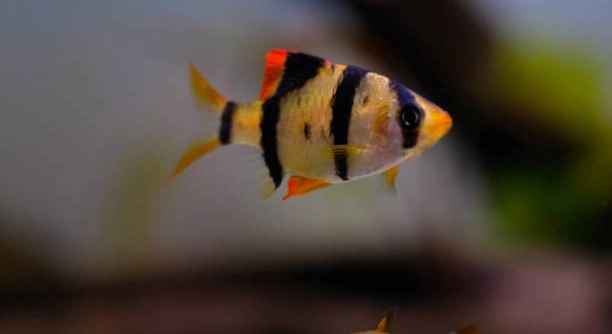
Do you ever notice your tiger barb staying hidden more often than usual, even when the tank environment seems just fine?
The most common reason your tiger barb is always hiding is stress caused by environmental factors, such as poor water quality, inadequate tank size, or aggressive tank mates. These issues disrupt the fish’s sense of safety and comfort.
Several other reasons may also play a role, including health concerns, lack of hiding spots, or changes in routine. Keep reading to better understand these behaviors and learn how to help your tiger barb feel more secure.
Stress From Aggressive Tank Mates
Tiger barbs are semi-aggressive fish, but they can become shy or stressed if paired with more dominant or overly aggressive species. When tank mates nip at them, chase them, or compete too harshly for food, tiger barbs may start hiding to avoid conflict. This behavior can show up even if the tank looks peaceful at first glance. Over time, constant stress from bullying can wear them down, causing a drop in energy, color, and appetite. It’s important to pair tiger barbs with compatible fish. Keeping them in groups of six or more also helps spread out aggression and gives them confidence. When housed with suitable companions and kept in a well-structured tank, tiger barbs are active and social. But if they are outnumbered or outmatched, hiding becomes their only option. Choosing peaceful tank mates and keeping the right balance in your tank setup makes a big difference.
Tiger barbs do best with fish that match their energy and won’t harass them. Avoid slow, long-finned fish.
When selecting tank mates, aim for schooling species that can keep up with your tiger barbs’ activity level. Fast swimmers like danios or other barbs can help create a more balanced tank. Limit aggression by avoiding bettas, angelfish, or larger cichlids. Watch their interactions closely during the first few days, and be prepared to rehome aggressive fish if needed. Creating a peaceful tank environment helps reduce hiding and encourages natural behavior. Providing hiding spots and plants can also give your tiger barbs a sense of safety without forcing them to retreat all the time.
Poor Water Quality
Even small changes in water conditions can cause stress in tiger barbs. Ammonia, nitrite, and nitrate levels that are too high make them uncomfortable.
Clean water is essential for your tiger barb’s health and comfort. When the water is not maintained properly, stress levels go up quickly. Dirty tanks with high ammonia or nitrite levels can cause breathing problems, reduced appetite, and unusual hiding. These conditions weaken their immune system, making them more prone to illness. Regular water testing helps catch problems before they get worse. Aim for zero ammonia and nitrites, and keep nitrates low. Weekly partial water changes, good filtration, and not overfeeding are key to staying on track. You should also vacuum the substrate to remove leftover waste and uneaten food. A sudden change in water temperature or pH can also upset your tiger barb. Keep the tank stable and within a safe range. Monitoring water quality closely will support their health and reduce stress-related hiding.
Lack of Hiding Spots
Tiger barbs need hiding places to feel safe. Without them, they may stay near the bottom or behind equipment. A tank without enough cover can cause them to feel exposed, leading to more stress and less activity.
Adding hiding spots like plants, rocks, or driftwood gives your tiger barb a chance to rest and feel secure. Even though they are active fish, they still need areas where they can retreat without feeling threatened. Use a mix of live or artificial plants, stacked decorations, and caves to create cover. Spread these elements across the tank to give multiple escape options, especially if there’s more than one fish being targeted. This helps break lines of sight and reduces bullying. When they feel safe, they are more likely to swim freely and interact with others. A well-decorated tank keeps their environment interesting and improves overall behavior.
An open tank layout might look nice, but it doesn’t meet your fish’s needs. Without shelter, your tiger barb can become skittish, especially in tanks with lots of movement or light. Cover helps block out distractions and gives the fish a spot to decompress. It also supports natural behaviors, like exploring or establishing small territories. If your tiger barb is constantly hiding behind the filter or heater, it’s a clear sign that more cover is needed. You don’t need to overcrowd the tank—just create areas that feel sheltered without cutting off swimming space. The right balance of open water and hiding spots supports a healthy, active fish.
Sudden Changes in Routine
Tiger barbs can be sensitive to changes in their environment. Sudden movement, loud sounds, or even switching lights on too quickly can cause them to hide more often than usual. Routine helps them feel stable.
Changes in lighting, feeding schedules, or tank maintenance can all trigger stress responses. For example, if your lighting goes from total darkness to full brightness in seconds, your tiger barb might dart away or hide until it feels safe again. Using a dimmer or turning on room lights first can help ease the transition. Feeding at the same time each day also gives them a sense of rhythm. Avoid cleaning the tank or changing water during feeding or high-activity times, as it can make them nervous. Even rearranging decorations too often can throw them off. Keep routines consistent. The more predictable their environment is, the more relaxed and visible your tiger barb will be.
Illness or Injury
A sick or injured tiger barb may stay hidden to avoid attention. This behavior helps them feel less vulnerable when they’re not feeling well. Look for other signs like clamped fins, spots, or unusual swimming patterns to catch health issues early.
Common illnesses like ich, fin rot, or internal parasites can make tiger barbs feel weak and stressed. Instead of swimming actively, they may stay behind plants or decorations. Prompt treatment, water changes, and isolating the fish if needed can help them recover. Observing changes in their routine will make spotting problems easier.
Inadequate Tank Size
A small tank can increase stress levels and cause tiger barbs to hide more often. They need plenty of space to swim, especially in groups. A tank that’s too cramped leads to territorial tension, poor water quality, and limited movement.
Tiger barbs are very active and thrive in larger groups, so they need room to swim freely. A 20-gallon tank is usually the bare minimum for a small group, but 30 gallons or more is ideal for long-term health. Without enough space, fish compete for territory and shelter, causing some to hide constantly. Small tanks also make it harder to keep water parameters stable, which adds more stress. Providing adequate space supports better group dynamics and reduces aggression. It also gives you more room to add hiding spots, plants, and enrichment without overcrowding. Investing in the right tank size is one of the best ways to encourage natural, healthy behavior.
Low Activity in the Tank
If other fish are inactive or the environment feels dull, your tiger barb might hide out of boredom. Active surroundings help keep them engaged and moving throughout the day.
Why is my tiger barb always hiding even though the tank looks fine?
Your tank might look fine to you, but small issues can cause stress for tiger barbs. Poor water quality, lack of hiding places, or aggressive tank mates can make them feel unsafe. Even slight changes in temperature, pH, or light can cause hiding behavior. It’s important to check water parameters regularly and observe how your fish interact. Sometimes, the fish hide because they feel vulnerable or threatened, even if you don’t see obvious problems. Ensuring a stable environment with enough space, good water quality, and proper companions helps reduce hiding.
How can I tell if my tiger barb is stressed or sick?
Signs of stress or illness include clamped fins, faded color, loss of appetite, or unusual swimming patterns like floating oddly or resting on the bottom. If your tiger barb is hiding a lot and showing these symptoms, it might be sick. Stress can weaken their immune system, making illness more likely. Regular water tests, a balanced diet, and clean conditions prevent many problems. Isolate sick fish to avoid spreading disease and treat with appropriate medication after identifying the problem. Early intervention improves recovery chances.
Can tiger barbs live with other fish without hiding?
Yes, but you must choose tank mates carefully. Tiger barbs are semi-aggressive and do best with active, fast-swimming fish that won’t bully them. Suitable companions include other barbs, danios, and some tetras. Avoid slow-moving or long-finned fish like bettas or angelfish, which tiger barbs may nip or stress. Keeping tiger barbs in groups of at least six also helps spread out aggression, so no single fish feels targeted. A well-balanced community tank reduces hiding and promotes natural behavior.
How many tiger barbs should be kept together to prevent hiding?
A minimum group of six tiger barbs is recommended. When kept in smaller groups, they can become aggressive or stressed, leading to hiding. Larger groups create a social environment where aggression is shared and less intense. Group size affects their activity and confidence. Too few can cause loneliness or bullying, and too many can overcrowd the tank. A balanced group in a properly sized tank helps keep hiding to a minimum.
What kind of hiding spots work best for tiger barbs?
Tiger barbs like plants, caves, driftwood, and decorations that provide cover without blocking open swimming space. Live plants add oxygen and improve water quality, while artificial plants offer low maintenance options. Small caves or rock formations give places to retreat. Spread these hiding spots evenly so fish can escape aggression or rest when needed. Avoid overcrowding the tank, as tiger barbs still need room to swim. A mix of natural and artificial elements works well.
How often should I clean the tank to reduce hiding behavior?
Perform partial water changes of 20-30% weekly or biweekly, depending on tank size and stocking levels. Cleaning helps remove waste and toxins that stress your fish. Overfeeding and leftover food can pollute the water quickly. Regular filter maintenance and substrate vacuuming also improve water quality. A clean, stable environment keeps tiger barbs healthy and reduces hiding caused by poor conditions. Avoid deep cleaning that disrupts beneficial bacteria all at once.
Can lighting affect my tiger barb’s hiding habits?
Yes, sudden or overly bright lighting can scare tiger barbs into hiding. Gradual light changes help them adjust better. Providing dim or natural light periods mimics their natural environment. Using floating plants or shaded areas can soften bright light. Consistent lighting schedules also reduce stress. Too much light without places to hide can make them feel exposed and nervous.
What should I feed tiger barbs to keep them healthy and less shy?
Feed a varied diet including high-quality flakes or pellets, supplemented with frozen or live foods like brine shrimp and bloodworms. A balanced diet supports their immune system and energy levels, making them more active and confident. Avoid overfeeding, as excess food pollutes the water. Feeding small amounts 2-3 times a day encourages natural foraging behavior and reduces stress-related hiding.
Is tank size really that important for tiger barbs’ behavior?
Yes, tank size greatly affects how comfortable and active tiger barbs are. They are schooling fish that need room to swim and establish territories. Small tanks increase stress, aggression, and hiding. A 20-gallon tank is the minimum for a small group, but larger tanks are better. More space means better water stability, less conflict, and more room for hiding spots. Investing in the right tank size supports your fish’s health and natural behavior.
How can I reduce stress during tank maintenance?
Perform water changes and cleaning slowly and calmly. Avoid sudden light changes or loud noises during maintenance. Try to keep the tank routine consistent to prevent shocking your fish. Feeding after cleaning can reassure them. Use gentle water flow and don’t rearrange decorations too often. If possible, clean one section at a time instead of all at once. Minimizing disruption helps tiger barbs feel safe and lowers hiding behavior.
Tiger barbs are lively and colorful fish that bring energy to any aquarium. When they start hiding often, it usually means something in their environment isn’t quite right. Many factors can cause this behavior, from stress due to aggressive tank mates to poor water quality or a lack of hiding spots. By understanding these reasons, you can make small but important changes to help your tiger barb feel more comfortable and confident in its home. Paying close attention to their surroundings and routine is key to their wellbeing.
Creating a peaceful tank environment is one of the best ways to encourage your tiger barb to be active and social. Make sure your tank mates are compatible and that the group size is appropriate, so no single fish feels threatened. Providing enough hiding places such as plants, caves, or decorations allows your fish to take breaks and feel safe when needed. Maintaining clean water with stable temperature and pH also plays a major role in reducing stress. When these conditions are met, your tiger barb is less likely to hide and more likely to show its natural, playful behavior.
Regular care and observation are important to keep your tiger barb healthy and happy. Watch for signs of illness or injury, and act quickly if you notice changes in color, appetite, or activity. Avoid sudden changes in lighting or routine, as these can also cause stress. Feeding a balanced diet and maintaining proper tank size helps support their overall health. By meeting your tiger barb’s needs through proper care and environment, you can enjoy a lively, colorful fish that is comfortable and thriving in your aquarium.

Hello,
If you enjoy the content that we create, please consider saying a "Thank You!" by leaving a tip.
Every little bit helps us continue crafting quality advice that supports the health, happiness, and well-being of pets around the world, for pets of all shapes, sizes, and species.
We really appreciate the kindness and support that you show us!