
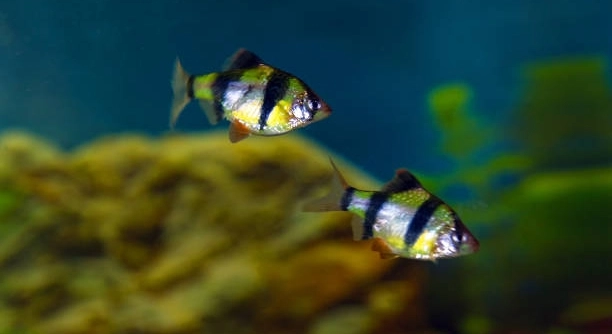
Tiger barbs are popular freshwater fish known for their lively colors and active behavior. Many aquarium enthusiasts enjoy watching them, but these fish can get stressed by common factors in their environment. Understanding what stresses tiger barbs helps keep them healthy.
Stress in tiger barbs is caused by factors such as poor water quality, overcrowding, sudden changes in environment, improper diet, aggressive tank mates, lack of hiding spots, and inconsistent lighting. These stressors can lead to illness and behavioral problems in the fish.
Knowing what stresses tiger barbs can help you create a calmer, healthier tank environment for them. This article highlights the key causes to watch out for and how to reduce stress for your fish.
Poor Water Quality
Poor water quality is one of the most common reasons tiger barbs become stressed. These fish are sensitive to changes in their tank’s environment, and dirty or unbalanced water can quickly affect their health. High levels of ammonia, nitrites, or nitrates are especially harmful. Regular water changes and monitoring are essential to keep the water safe. Using a good filtration system helps remove toxins and keeps the water clear. Also, testing the water parameters frequently ensures that the tank conditions stay within safe limits. When water quality drops, tiger barbs may become lethargic, lose their appetite, or develop diseases. Preventing poor water conditions is the first step to reducing stress and keeping these fish lively and healthy.
Maintaining clean water means testing regularly, doing partial water changes, and avoiding overfeeding. This routine keeps the environment stable.
Consistent care for water quality supports the health of your tiger barbs. Watching for changes in behavior or appearance can help catch issues early. Avoid overcrowding, which worsens water quality by increasing waste. A balanced diet and proper tank maintenance reduce the risk of stress caused by poor water conditions. Taking these steps will help your fish thrive and display their best colors and activity levels.
Overcrowding and Aggression
Too many fish in one tank causes stress due to limited space and competition for resources. Tiger barbs are naturally active and can be aggressive, especially when crowded. This behavior leads to fights and injury. Overcrowding also worsens water quality and reduces oxygen levels, making the environment uncomfortable. It’s important to provide enough space for each fish and keep the number of tank mates reasonable. Using a tank size that fits the group and separating aggressive individuals can reduce tension. Adding plants or decorations can create hiding spots and reduce stress by breaking line of sight.
Proper tank size and careful selection of companions keep tiger barbs calm and healthy.
When tiger barbs face aggression, their immune system weakens, increasing disease risk. Avoid mixing them with overly aggressive or very timid fish. Providing sufficient space and hiding places lowers fights and stress. Observing the group helps identify problematic behaviors early. Separating aggressive fish or increasing tank size improves the living conditions. Balancing tank mates and avoiding overcrowding prevents many common health issues in tiger barbs, leading to a more peaceful aquarium environment.
Sudden Changes in Environment
Sudden changes in temperature or water chemistry cause immediate stress for tiger barbs. These fish thrive best in stable, consistent conditions. Rapid shifts can shock their system.
When a tank experiences quick temperature drops or rises, tiger barbs may become inactive or hide more than usual. Changes in pH or hardness also affect their health. Avoid moving fish between tanks without proper acclimation, as this increases stress. Gradual adjustments help tiger barbs adapt without harm. Sudden changes disrupt their natural rhythm and weaken their immune system, making them prone to illness. Keeping a steady environment reduces stress and supports their well-being.
Using heaters, thermometers, and water conditioners helps maintain stable conditions. Monitoring the tank daily allows early detection of any changes. Stability is key to keeping tiger barbs healthy and active.
Improper Diet
Feeding tiger barbs an unbalanced diet can stress them and affect their health. They need a mix of protein and plant-based food for proper nutrition.
A diet lacking variety or essential nutrients weakens their immune system and causes sluggishness. Overfeeding or poor-quality food leads to water pollution, increasing stress from poor water quality. Feeding small portions multiple times a day works best for their digestion. Including flakes, pellets, and occasional live or frozen foods offers balanced nutrition. Avoiding sudden diet changes helps prevent digestive issues and stress. Consistent feeding habits ensure tiger barbs maintain their vibrant colors and energy.
Choosing high-quality fish food and providing fresh options helps maintain their health. Proper feeding habits reduce illness and promote a lively tank environment.
Lack of Hiding Spots
Tiger barbs feel safer when they have places to hide. Without enough shelter, they can become anxious and stressed.
Adding plants, rocks, or decorations gives them safe spots to retreat. This helps reduce aggressive behavior and makes the tank environment more comfortable.
Inconsistent Lighting
Lighting that changes suddenly or is too bright can upset tiger barbs. They prefer a consistent light schedule that mimics natural day and night cycles.
Too much light may cause them to hide more, while too little can affect their activity and health. Using a timer for lights helps keep a steady routine, which supports their well-being and reduces stress.
Aggressive Tank Mates
Tiger barbs do best with peaceful companions. Aggressive or very shy fish can cause stress and harm.
Choosing compatible tank mates helps maintain a calm, balanced aquarium environment.
What are the signs that tiger barbs are stressed?
Stressed tiger barbs often show changes in behavior. They may hide more than usual, swim erratically, or lose interest in food. Color fading is common, with their bright stripes becoming dull. You might notice increased aggression among tank mates or lethargy, where the fish stay at the bottom or surface without much movement. These signs indicate the fish are uncomfortable and need attention to their environment or care routine.
How often should I change the water to prevent stress?
Regular water changes are essential. Ideally, replace 20-25% of the water every week to keep the environment clean. Frequent partial changes reduce toxins like ammonia and nitrates, which stress tiger barbs. Avoid large water changes all at once, as sudden shifts can cause shock. Maintaining a steady water quality through consistent changes supports healthy fish behavior and reduces stress levels.
Can overcrowding cause permanent harm to tiger barbs?
Overcrowding creates constant stress by increasing competition for food and space. This stress weakens their immune system, making them vulnerable to disease. Aggression rises, leading to injuries or even death if the tank is too crowded. Long-term overcrowding affects their growth and lifespan. Ensuring enough room for each fish is important to prevent lasting harm and keep them healthy.
Is it necessary to acclimate tiger barbs when introducing them to a new tank?
Yes, acclimating tiger barbs is important. Gradual adjustment to new water conditions avoids sudden stress. You can float the sealed bag in the tank to match temperature, then slowly mix tank water with the bag water over 30 minutes to an hour. This process helps fish adapt to different pH, temperature, and hardness levels, reducing shock and increasing survival chances.
What type of diet is best for tiger barbs?
Tiger barbs need a varied diet with protein and plant matter. High-quality flakes or pellets designed for tropical fish form a good base. Supplement with frozen or live foods like brine shrimp or bloodworms to provide extra protein. Occasionally, adding blanched vegetables like spinach or peas supports their nutrition. Balanced feeding keeps their immune system strong and maintains their vibrant colors.
How does lighting affect tiger barbs?
Lighting impacts tiger barbs’ daily rhythms and stress levels. They need a consistent light-dark cycle, typically 10-12 hours of light followed by darkness. Sudden changes or too bright lighting can cause stress, making fish hide or become inactive. Using a timer for the aquarium light ensures a steady schedule, helping tiger barbs maintain normal behavior and reducing anxiety.
Can aggressive tank mates cause health issues?
Aggressive tank mates increase stress by constantly bullying or chasing tiger barbs. This ongoing tension weakens their immune system and can cause physical injuries. Fish that are too timid may also stress tiger barbs by triggering their aggressive side. Choosing compatible, peaceful species helps maintain a balanced environment, supporting better health and reducing stress-related illnesses.
How can I reduce stress from sudden environmental changes?
Avoid quick temperature or water chemistry shifts. Always test new water before adding it and use conditioners if needed. Use heaters or chillers to maintain steady temperature. When moving fish between tanks, acclimate them slowly. These steps help tiger barbs adjust without shock, preserving their immune response and minimizing stress.
Are hiding spots really necessary for tiger barbs?
Yes, hiding spots provide security and reduce stress. Tiger barbs use plants, rocks, and decorations as shelter during rest or when threatened. Without places to retreat, they may become anxious or aggressive. Providing enough cover helps maintain peaceful behavior and keeps them calm in the aquarium.
How does water quality directly impact tiger barbs?
Poor water quality leads to buildup of harmful substances like ammonia and nitrates, which are toxic to fish. Exposure causes stress, physical damage, and vulnerability to diseases. Clean, well-filtered water supports healthy gill function, breathing, and overall vitality. Regular maintenance and testing keep the water safe and reduce stress in tiger barbs.
What steps help prevent aggression in a community tank?
Keep tiger barbs in groups of at least six to spread out aggression. Avoid mixing them with very aggressive or very shy species. Provide plenty of hiding spots and space to reduce territorial disputes. Monitor fish behavior regularly and separate overly aggressive individuals if needed. These steps create a calmer, more stable community tank environment.
Can stress cause diseases in tiger barbs?
Yes, stress lowers their immune system, making them more prone to infections like fin rot, ich, or fungal diseases. Stressed fish recover slower and can spread illness in the tank. Maintaining good water quality, proper diet, and peaceful conditions reduces the risk of disease caused by stress.
How important is tank size for tiger barbs?
Tank size is crucial because it affects space, water quality, and stress levels. Tiger barbs need at least 20 gallons for a small group to swim actively and avoid overcrowding. Larger tanks dilute toxins better and provide room for hiding spots. Proper size reduces stress and supports healthy growth and behavior.
What should I do if I notice stress signs in my tiger barbs?
First, test the water for ammonia, nitrites, nitrates, and pH. Adjust as needed with water changes or conditioners. Check tank conditions like temperature and lighting. Observe for aggressive tank mates or overcrowding and correct these issues. Improve hiding spots and review feeding habits. Taking quick action can reverse stress effects and prevent illness.
Can stress affect the lifespan of tiger barbs?
Chronic stress shortens their lifespan by weakening the immune system and causing ongoing health problems. Stressed fish are less active, eat poorly, and are more susceptible to disease. Proper care and a stable environment greatly increase their chances of living a full, healthy life.
Final Thoughts
Tiger barbs are lively and beautiful fish that need careful care to stay healthy. Stress can cause many problems for them, including illness and behavioral changes. Understanding the common causes of stress helps provide the right environment for these fish to thrive. Paying attention to water quality, tank size, diet, and companions plays a big role in reducing stress. Small changes in care routines can make a big difference in how comfortable and active your tiger barbs are in their tank.
Creating a stable and safe environment is key. This means maintaining clean water with regular changes and testing. Avoid overcrowding by keeping an appropriate number of fish in a properly sized tank. Providing hiding spots and decorations allows the fish to feel secure. A steady lighting schedule and gradual changes in temperature or water conditions reduce sudden stress. Choosing compatible tank mates prevents fights and keeps the tank peaceful. Feeding a balanced diet supports their immune system and overall health. When these factors are managed well, tiger barbs are less likely to experience stress and will show their best colors and behaviors.
Observing your fish regularly helps catch signs of stress early. If you notice hiding, color loss, aggression, or changes in appetite, it is important to check the tank conditions and make improvements. Stress can be reversed if addressed quickly, which improves the fish’s well-being and lifespan. Being consistent with tank maintenance and care routines creates a healthy space where tiger barbs can flourish. Taking these steps shows care for the fish and ensures a more enjoyable aquarium experience. Overall, stress prevention is about balance, attention, and a good understanding of tiger barbs’ needs.

Hello,
If you enjoy the content that we create, please consider saying a "Thank You!" by leaving a tip.
Every little bit helps us continue crafting quality advice that supports the health, happiness, and well-being of pets around the world, for pets of all shapes, sizes, and species.
We really appreciate the kindness and support that you show us!