
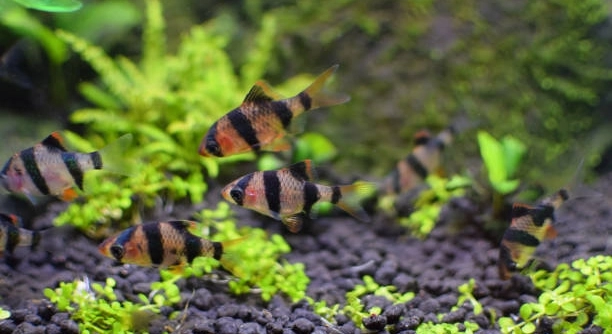
Do you ever find yourself wondering why your tiger barb isn’t growing as fast as you expected despite your best efforts?
To help a tiger barb grow faster, maintain excellent water quality, offer a protein-rich and varied diet, ensure optimal tank temperature (around 78°F), and reduce stress by keeping them in a proper shoal. These conditions promote steady, healthy growth.
Feeding habits, tank mates, and water conditions all play a role in their growth rate, and small changes can make a big difference.
Improve Water Quality for Better Growth
Clean water plays a big role in helping tiger barbs grow. Ammonia, nitrite, and nitrate levels need to stay low to prevent stress and illness. Use a reliable filter and test the water regularly. Partial water changes—about 25% weekly—help keep the tank stable and safe. A consistent routine helps your fish feel secure and healthy. Avoid overfeeding, as uneaten food can cloud the water and affect quality. Use a gravel vacuum to remove debris that settles on the tank bottom. When the water is clean, tiger barbs tend to be more active and show brighter colors, which also means they’re feeling good inside. A well-maintained environment encourages them to eat more, which in turn helps with growth. Keep the pH between 6.0 and 7.5 and aim for soft to moderately hard water. Once your water parameters are steady, your fish can focus more energy on growing instead of just surviving.
Clean water encourages healthy digestion, active swimming, and stronger immunity in tiger barbs.
Many people underestimate how quickly poor water quality can slow down a tiger barb’s growth. It’s not just about clean water—it’s about balance and stability. If the environment is unpredictable, tiger barbs become stressed and stop growing. Keeping things consistent helps them thrive.
Feed the Right Foods Often
Tiger barbs need protein-rich foods like brine shrimp, bloodworms, and quality pellets to grow well.
Feeding them a variety of nutritious foods helps them develop muscle and maintain energy. Offer meals two or three times daily in small portions they can finish in a minute or two. Too much food causes waste, but too little slows down their growth. Focus on balance. Frozen and live foods can improve their appetite and support growth better than just flakes or pellets alone. Rotate different types of food throughout the week to give them a broader range of nutrients. You can also include high-protein micro pellets designed for tropical fish. Avoid food with fillers like soy or wheat, which provide little value. Keeping them on a healthy schedule encourages natural foraging behavior and promotes faster development. With a strong diet and regular feeding times, your tiger barbs will grow faster, stay healthier, and show more vibrant colors.
Maintain the Right Tank Temperature
Keep the water temperature between 76°F and 80°F to support steady growth. Cold water slows their metabolism, while warmer water helps them digest food faster and use nutrients more efficiently. Use a heater with a thermometer to keep the temperature consistent at all times.
Fluctuating temperatures can stress tiger barbs and weaken their immune system, making it harder for them to grow properly. If your tank is placed near a window or air vent, this can lead to temperature swings. A digital thermometer gives more accurate readings than stick-on strips. If the water drops too low, their appetite may decrease. When it’s too high, oxygen levels drop, and that can also affect their health. Use a heater that suits your tank size, and check it regularly to avoid sudden changes. A steady, warm environment keeps tiger barbs active, improves their digestion, and gives them the right conditions to grow consistently.
When the temperature stays within range, their body functions remain stable, and growth happens more naturally. Avoid placing the tank in areas where the climate shifts often, like near doors or open windows. Even minor temperature changes during water changes can cause issues. Matching the new water to the tank temperature is a small but important step.
Reduce Stress in the Tank
Stress slows growth and weakens a tiger barb’s immune system. Make sure they live in groups of at least six to reduce aggression. A stressed fish won’t eat or swim as much, and this leads to slower development.
Tiger barbs are social fish that need a proper shoal to feel secure. When they’re alone or in too small of a group, they often chase or nip at each other. This kind of behavior creates constant tension in the tank. Adding more plants and hiding spaces helps reduce visual contact and gives them breaks from each other. Choose peaceful tank mates that don’t provoke or outcompete them during feeding. Avoid sudden movements or loud noises around the tank, as these can also create stress. Keep a regular schedule for feedings and tank maintenance so they can adjust to a steady rhythm. Over time, a calm tank atmosphere makes it easier for them to grow well.
Avoid Overcrowding the Tank
Too many fish in one tank can slow growth. Overcrowding leads to more waste, which affects water quality and increases stress. Make sure your tank is large enough—at least 20 gallons for a group of six tiger barbs.
When fish feel cramped, they may fight more and eat less. Reduced swimming space also limits exercise, which affects muscle development and overall health. A spacious tank encourages natural movement and reduces tension.
Stick to a Regular Lighting Schedule
Tiger barbs need a predictable day-night cycle. Aim for 8 to 10 hours of light each day. Use a timer if needed to keep the lighting consistent. Too much or too little light can confuse their internal clock and reduce growth. A stable light schedule supports feeding habits, behavior, and rest patterns. Avoid sudden light changes, as that can cause stress. Make sure the tank has a balance of open swimming space and shaded areas from plants or decorations. This lets them move between light and dim areas comfortably throughout the day.
Clean the Filter Regularly
A dirty filter lowers water quality and slows growth. Rinse filter media in tank water every few weeks to remove buildup without killing helpful bacteria.
FAQ
How often should I feed my tiger barbs to help them grow faster?
Feeding tiger barbs two to three times a day with small portions is ideal. Overfeeding can pollute the tank, while underfeeding slows growth. Provide enough food so they finish within two minutes. Rotate between pellets, frozen foods, and live options like brine shrimp for balanced nutrition.
What is the best water temperature for tiger barbs?
The optimal temperature range is 76°F to 80°F. This helps keep their metabolism steady and supports efficient digestion and nutrient absorption. Use a reliable heater and thermometer to avoid sudden fluctuations, which can stress the fish and stunt growth.
Can tiger barbs grow faster in bigger tanks?
A larger tank doesn’t directly speed up growth, but it improves water quality and reduces stress by giving fish more space to swim. This indirectly helps them grow healthier and faster. A minimum of 20 gallons is recommended for a small group.
Is it okay to keep tiger barbs with other fish?
Yes, but choose tank mates carefully. Avoid aggressive or much larger fish that may intimidate or compete for food. Peaceful species like danios or rasboras work well. Stress from bullying or competition can slow growth.
How important is water quality for tiger barb growth?
Water quality is crucial. Poor conditions cause stress and illness, preventing proper growth. Regular testing and weekly partial water changes keep ammonia, nitrite, and nitrate levels safe. Use a good filtration system and avoid overfeeding.
Can adding plants help tiger barbs grow faster?
Plants improve tank conditions by absorbing nitrates and providing hiding spots, which reduce stress. Lower stress levels promote better eating habits and growth. Fast-growing plants like hornwort or anacharis are easy to care for and benefit the tank environment.
What kind of food promotes the best growth?
High-protein foods such as bloodworms, brine shrimp, and quality pellets are best. Avoid low-nutrient fillers like soy or wheat. A varied diet ensures tiger barbs get essential vitamins and minerals for muscle development and energy.
How do I prevent stress in tiger barbs?
Keep them in groups of six or more to reduce aggression. Provide hiding spots and maintain stable water parameters. Avoid sudden noises or movements near the tank, and feed consistently at the same times each day. Stress slows growth and weakens immunity.
Can improper lighting affect their growth?
Yes, inconsistent or excessive lighting can disrupt their natural rhythm and stress them. Stick to about 8 to 10 hours of light daily, using a timer if possible. Balance light with shaded areas from plants or decorations.
How long does it take for tiger barbs to reach full size?
Typically, tiger barbs grow to about 2.5 to 3 inches within 6 to 12 months under good care. Growth speed depends on diet, water quality, temperature, and stress levels. Proper conditions ensure steady progress.
Is water hardness important for growth?
Moderate water hardness between 5 to 12 dGH is best. Too soft or too hard water can affect their health and growth. Use water tests to monitor and adjust if necessary. Stable water conditions promote healthy development.
How often should I clean the tank?
Weekly partial water changes of 20-30% help maintain cleanliness. Clean the gravel with a siphon and rinse filter media in tank water every few weeks to keep beneficial bacteria alive. A clean tank supports fast, healthy growth.
Does adding vitamins to their diet help?
Vitamin supplements can improve immune health and growth if the diet is not fully balanced. However, with varied, high-quality foods, extra vitamins are usually unnecessary. Too many supplements can be harmful.
Can stress cause health problems in tiger barbs?
Yes, stress weakens the immune system and increases the risk of disease, which can slow growth or cause death. Keep a calm environment, proper group size, and good water conditions to prevent stress-related issues.
What is the ideal pH level for tiger barbs?
Maintain pH between 6.0 and 7.5. Sudden pH shifts cause stress and affect metabolism. Regular water tests and gradual adjustments keep conditions stable and growth on track.
Should I avoid certain decorations or tank setups?
Avoid sharp or rough decorations that can injure active tiger barbs. Choose smooth rocks, driftwood, and live plants to create a safe environment. Comfortable spaces reduce stress and encourage healthy behavior.
Final thoughts on helping your tiger barbs grow faster focus on consistency and care. Growth in fish depends on several factors working together, and none should be ignored. Keeping the water clean and stable is one of the most important steps. Regular water changes and good filtration remove harmful chemicals and waste. If water quality is poor, tiger barbs become stressed, and their growth slows down or stops. Maintaining the right temperature and pH level helps keep their metabolism steady, allowing them to use nutrients properly. All these small details add up to create a healthy environment where tiger barbs can thrive and grow as expected.
Feeding is another key part of helping tiger barbs grow faster. Providing a varied diet rich in protein helps build muscle and gives the energy they need to stay active. Feeding two to three small meals per day ensures they get enough nutrients without polluting the water. It is important to offer different types of food like pellets, frozen or live brine shrimp, and bloodworms to supply a full range of vitamins and minerals. Overfeeding or underfeeding can both cause problems, so finding the right balance is essential. Watching their eating habits and adjusting portions based on their appetite supports steady growth.
Reducing stress is equally important for growth. Tiger barbs feel safer and more comfortable when kept in groups of six or more. Providing hiding spaces with plants or decorations allows them to escape aggression and feel secure. Avoiding sudden changes in lighting, temperature, or tank mates helps keep their environment calm. Stress weakens their immune systems and can lead to illness or poor growth. By keeping the tank stable and peaceful, you help your tiger barbs use their energy for growing instead of dealing with stress. Paying attention to all these factors together ensures your tiger barbs stay healthy and reach their full size in a timely manner.

Hello,
If you enjoy the content that we create, please consider saying a "Thank You!" by leaving a tip.
Every little bit helps us continue crafting quality advice that supports the health, happiness, and well-being of pets around the world, for pets of all shapes, sizes, and species.
We really appreciate the kindness and support that you show us!