
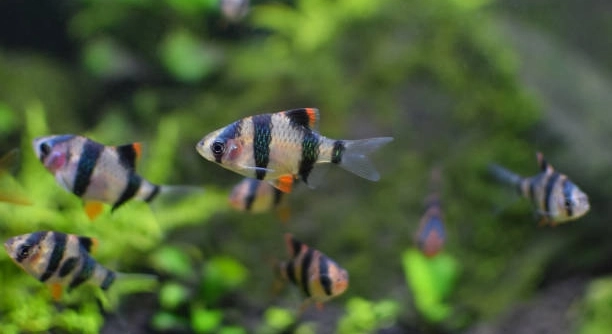
Have you ever noticed your tiger barb swimming strangely, almost tipping to one side or struggling to stay upright in the tank?
Tiger barbs lose balance primarily due to swim bladder disorders, which affect their buoyancy. This can result from poor water quality, overfeeding, constipation, or bacterial infections, disrupting the normal function of the swim bladder.
Understanding what triggers these issues can help you prevent future problems and support a healthier environment for your tiger barbs.
Common Causes of Balance Loss in Tiger Barbs
One of the main reasons tiger barbs lose balance is due to swim bladder issues, which often stem from overfeeding or constipation. When a fish consumes too much or eats food that expands in the stomach, pressure can build and affect the swim bladder. Poor water quality is another significant cause, especially when ammonia or nitrite levels are elevated. These harmful substances can damage internal organs, including the swim bladder. Bacterial infections and sudden changes in water temperature may also trigger balance problems. It’s important to observe how your fish eats, swims, and reacts to environmental changes to catch early signs.
Feeding dry food without soaking it first can contribute to digestive stress in tiger barbs, which may lead to swim bladder trouble.
Regular tank maintenance, consistent feeding habits, and watching how your fish move each day can help you catch imbalances early and prevent them from getting worse.
How to Support Recovery and Prevent Future Issues
Daily observation helps you notice symptoms before they worsen. Keep a close eye on swimming patterns, appetite, and behavior changes.
If your tiger barb is struggling to swim properly, isolate it in a separate tank with clean, warm water. Avoid feeding for 24 hours to relieve possible digestive stress. After that, offer a small amount of a cooked, skinned pea to help move food through the digestive system. Keep the tank quiet and dimly lit to reduce stress. Test the water quality and maintain stable conditions. Moving forward, feed your fish smaller portions and consider soaking food beforehand. Stick to a routine and don’t overstock your tank. A clean, stable environment supports swim bladder health and keeps your tiger barbs active and upright.
Adjusting Tank Conditions to Help Your Fish
Maintaining proper water conditions is essential for your tiger barb’s health. Ammonia, nitrite, and nitrate levels should always be monitored. A stable temperature between 74–79°F helps prevent stress, which can worsen balance issues.
Keep the water clean with regular partial water changes—around 25% each week. Use a reliable water test kit to check parameters and avoid sudden shifts in pH or temperature. Installing a sponge filter adds gentle filtration without creating strong currents that may challenge a weak or imbalanced fish. Also, provide hiding spots using plants or decor to reduce stress. Overcrowding the tank can lead to aggression and poor water quality, so avoid adding too many fish. Stick to a consistent cleaning schedule and remove uneaten food after feeding. Clear, stable water creates a safer space for recovery and helps your fish swim more comfortably and confidently day by day.
Feeding routines affect your fish’s digestion and buoyancy. Always choose high-quality, easy-to-digest food for your tiger barbs. Avoid feeding dry flakes directly, as they can expand inside the stomach. Soak them for a few seconds first, or switch to gel or frozen foods. Feeding once or twice a day in small portions helps prevent bloating. If your fish has had balance issues before, add a fasting day once a week. This gives the digestive system a break and helps reduce swim bladder pressure. Watch how your fish respond to each meal—slow eaters may need isolated feeding areas. Keep feeding time consistent and quiet to reduce excitement and gulping. Proper feeding habits play a big role in preventing future problems.
Spotting Early Signs of Trouble
If your tiger barb starts swimming at an angle or struggles to stay upright, it could be a sign of swim bladder stress. Acting early can prevent the issue from becoming more serious or harder to manage later.
Watch for signs like floating near the surface, sinking, or spinning. Loss of appetite or hiding more than usual may also signal discomfort. Subtle changes in behavior are often the first clues.
When to Separate the Affected Fish
If symptoms don’t improve after 24–48 hours, move the fish to a separate tank with clean, warm water. Isolation helps reduce stress and allows closer monitoring without interference from other fish. Use a sponge filter to maintain gentle circulation. Keep lighting low, and avoid feeding for the first day. On day two, offer a small portion of blanched pea. Continue testing water parameters daily. Separation isn’t always necessary, but when done at the right time, it can make recovery much easier and safer for your tiger barb.
Monitoring Progress
Check the fish daily for smoother swimming and a better appetite. Improvement may take several days, but steady signs show that your efforts are working.
FAQ
Can a swim bladder disorder go away on its own?
Sometimes, mild cases can resolve without much intervention, especially if caused by temporary bloating or minor digestive issues. When caught early, improving diet, fasting the fish for 24 hours, and keeping water conditions clean may be enough. However, if symptoms persist or worsen, further care is needed. Keeping a close eye on the fish’s behavior is key. If there’s no sign of improvement after a couple of days, separating the fish and starting more targeted care is the best step. The sooner action is taken, the better the chances of recovery.
How do I know if it’s constipation or something more serious?
Constipation usually causes bloating, reduced appetite, and trouble staying upright. If the fish seems swollen, but its scales aren’t sticking out and there’s no sign of rapid breathing or red patches, it’s likely digestive. A blanched pea often helps. If symptoms don’t improve or the fish gets worse, it could be bacterial or internal organ-related. Constipation tends to come and go quickly, while infections tend to worsen without treatment. Pay close attention to how the fish looks and moves over the next day or two, especially after adjusting feeding.
What kind of food is best to prevent swim bladder problems?
Choose high-quality, protein-rich flakes, pellets, or gel foods made for tropical fish. Avoid feeding only dry flakes; soak them before offering, or mix with frozen or live foods. Blanched peas, daphnia, and bloodworms (in moderation) help keep digestion smooth. Variety is important—switching food types every few days helps keep the digestive system active. Avoid fatty treats and don’t overfeed. A good rule is to give just enough food that your fish can eat in about two minutes. Keep feeding regular but light to support buoyancy and reduce digestive stress.
Should I be worried if only one tiger barb is affected?
It’s not uncommon for just one fish to show symptoms first. Swim bladder issues often come down to individual sensitivity or feeding behavior. However, this can still signal a larger issue with water quality or tank conditions. Test the water immediately and review your feeding routine. Make sure there’s no aggressive behavior stressing the fish. Even if the others seem fine, keeping the tank stable and clean is essential to prevent more fish from becoming affected. Watch the group closely for any signs of change in activity or behavior.
Is it safe to treat the tank with medication for swim bladder issues?
Medication isn’t always the best first step. Most swim bladder problems are related to diet or environment, not infection. Using medication unnecessarily can stress your fish and harm the helpful bacteria in your tank. Only use medication if you suspect a bacterial cause and have already ruled out constipation and water quality issues. If you’re unsure, isolate the fish and observe symptoms first. If it’s showing signs like red streaks, sores, or rapid breathing, consider reaching out to a vet or aquatic specialist before starting treatment. Always follow instructions carefully if medication is used.
How long does recovery usually take?
Recovery can take a few days to a couple of weeks, depending on the cause and how early the issue was treated. If it’s mild constipation or food-related, improvements are often seen within two to three days. Infections or ongoing swim bladder damage may take longer. Monitor your fish daily and adjust care based on its behavior. If symptoms stay the same or worsen after a week of careful care, it’s time to reassess the environment, feeding, and possible underlying health problems. With consistency and attention, many tiger barbs return to normal over time.
Can I prevent this from happening again?
Yes, most causes of balance loss can be prevented. Keep water clean with weekly partial changes, feed smaller amounts of soaked or soft food, and avoid overstocking your tank. Observe your fish regularly—early signs are easier to treat. Include a fasting day each week and avoid sudden water temperature changes. Clean filters regularly and reduce sources of stress like aggressive tankmates or strong currents. Consistency in care and small routine changes can go a long way in keeping your tiger barbs healthy and swimming upright. Prevention is always easier than recovery.
Final Thoughts
Caring for tiger barbs means paying close attention to their daily behavior, feeding habits, and tank environment. Balance loss may look alarming, but it often has simple causes like overfeeding, poor water quality, or digestive issues. These can usually be managed with early action and a few small changes. Watching how your fish swims, eats, and interacts with others can help you catch signs before they become serious. A consistent routine and a clean, calm tank make a big difference in your fish’s overall health. Even small details, like soaking dry food or allowing a fasting day, can help avoid future problems.
Swim bladder problems don’t always mean your fish is seriously ill. Many cases improve with proper care and attention to water and diet. Still, it’s important not to wait too long if your fish shows signs of distress. Separating a struggling fish, adjusting the tank setup, or making small feeding changes can lead to real improvement. Stay calm, be patient, and give your fish a safe space to recover. Every tank is different, and sometimes it takes a little trial and error to find what works best. Keep things steady and avoid big changes all at once.
Tiger barbs are active, hardy fish, but like any pet, they need the right conditions to stay healthy. Clean water, good food, and a peaceful environment go a long way in preventing swim issues. If balance problems do happen, don’t panic. Most of the time, it’s something that can be fixed. Just take the time to observe, make careful changes, and give your fish the support it needs. Over time, these small efforts help build a stronger, healthier aquarium for all your fish.

Hello,
If you enjoy the content that we create, please consider saying a "Thank You!" by leaving a tip.
Every little bit helps us continue crafting quality advice that supports the health, happiness, and well-being of pets around the world, for pets of all shapes, sizes, and species.
We really appreciate the kindness and support that you show us!