
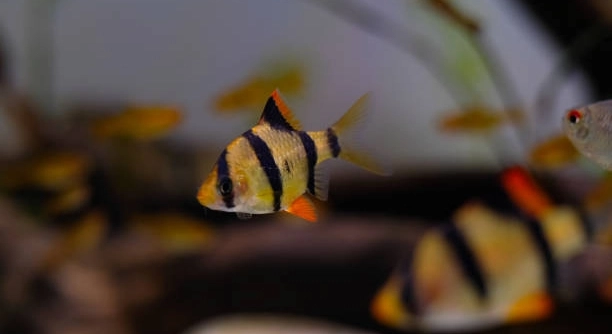
Are your tiger barbs acting differently lately, showing more energy and chasing each other around the tank more than usual?
A tiger barb is ready to spawn when it displays heightened activity, increased coloration, and specific chasing behavior. These signs indicate hormonal changes that prepare the fish for breeding and signal reproductive readiness.
These behaviors may seem playful at first, but they hold important clues about what’s happening beneath the surface. Understanding these signs can help you support a smooth and successful spawning process.
1. Brightened Colors and Shimmering Scales
Tiger barbs ready to spawn often display brighter and more vibrant colors. Males, in particular, show deeper red hues on their fins and a more intense overall body color. This change is a direct result of hormonal shifts that occur during spawning preparation. You might notice the males becoming slightly more territorial or active, especially around females. These bold colors serve as a signal to females and other tank mates that the male is in prime condition for breeding. In a healthy aquarium, this visual transformation is often one of the first and most noticeable signs that spawning may happen soon.
The shine and depth of color usually appear stronger under good lighting and in well-maintained water conditions.
If you see this visual change, it’s a good time to start observing your tank closely. These signs don’t guarantee immediate spawning, but they do show the fish are on the right track.
2. Increased Chasing and Pair Bonding
In the lead-up to spawning, tiger barbs may begin chasing each other more frequently. This isn’t just playful behavior.
The male often chases a chosen female as part of courtship, nudging and swimming close to her. This chasing helps stimulate the female to release eggs and also allows the male to show he is ready to fertilize them. While it might seem aggressive, this behavior is usually normal and should not cause injury. However, if one fish appears overly stressed or injured, it may be helpful to separate them. You might also notice that the pair begins to isolate themselves from the rest of the group. This isolation can signal that the spawning event is approaching. Watching this behavior closely helps you time water changes or prepare a spawning tank if needed. Keeping stress levels low and tank conditions stable is key during this time.
3. Female’s Rounded Belly
A female tiger barb preparing to spawn will start to look noticeably rounder. This is due to the development of eggs inside her body. Her belly will appear fuller, especially near the back half.
This physical change is gradual, not sudden. Over several days, you’ll see the female slowly swell. It’s different from bloating because her behavior stays normal—she keeps swimming, eating, and interacting. When paired with bright colors and chasing behavior from a male, the round belly is a clear sign that she is almost ready to release her eggs. It’s helpful to avoid overfeeding during this time, as that can cause confusion between actual spawning readiness and simple overeating. Observing from the side of the tank gives the clearest view.
Once you notice the rounded belly alongside other signs, you may want to consider preparing a separate breeding tank. This will help protect the eggs once they are released.
4. Frequent Cleaning of Surfaces
Tiger barbs ready to spawn will begin picking at flat surfaces like plant leaves, tank glass, or decorations. This is often done in pairs and signals that they are preparing a place to lay and fertilize eggs.
The male usually leads this process, nudging the female toward selected areas while inspecting and nipping at spots. You may see the same surface being visited multiple times throughout the day. In some cases, this cleaning continues for a few days before actual spawning happens. If your tank has a lot of plants or smooth decorations, those are likely targets. This behavior is important because it increases the chances of the eggs attaching securely and staying safe in a clean area. Providing a spawning mop or leafy plant can help guide them to a safer location. Once this behavior begins, spawning is usually very close.
5. Sudden Burst of Activity
Tiger barbs often become more active just before spawning. They swim faster, dart around the tank, and may seem restless. This spike in energy is natural and helps trigger the spawning process between the male and female.
This behavior usually lasts for a short period. It may happen early in the day or after a water change. The activity often focuses around certain areas of the tank, especially where the pair has shown interest in laying eggs.
6. Decreased Appetite in Females
As the female prepares to release her eggs, she may eat less or show less interest in food. This is a normal shift and not a cause for concern unless it continues for several days. During this time, her body is focused on spawning. She might still nibble lightly but avoid her usual feeding spot. If other signs of spawning are also present, the decreased appetite is part of the natural process. Keep feeding as usual, but remove uneaten food to maintain water quality.
7. Subtle Quivering Movements
Just before spawning, the male may begin to quiver slightly near the female. This vibration is part of courtship and helps encourage egg release.
FAQ
How long does it take for tiger barbs to spawn after showing signs?
Once tiger barbs start showing signs like brightened colors and chasing, spawning usually happens within a few days to a week. The process depends on water conditions, temperature, and the health of the fish. Warmer water within the ideal range can speed things up, while stress or poor water quality can delay spawning.
What is the best way to prepare a tank for spawning?
A separate breeding tank with gentle filtration, soft lighting, and plenty of hiding spots is ideal. Use plants or spawning mops to give tiger barbs places to lay eggs. Keep water clean and stable, with a temperature around 75-78°F (24-26°C). Avoid strong currents that can disturb eggs.
Do tiger barbs eat their eggs?
Yes, tiger barbs are known to eat their eggs if given the chance. To protect the eggs, it’s best to move the adults to a different tank once spawning is complete or use a breeding tank to keep eggs safe until they hatch.
How long do tiger barb eggs take to hatch?
Eggs usually hatch in about 24 to 36 hours under good conditions. The fry will stay near the bottom or plants until they become free-swimming, usually within 3 to 5 days after hatching.
What should I feed tiger barb fry?
Start with infusoria or liquid fry food, then move on to newly hatched brine shrimp or finely crushed flakes. Feeding small amounts frequently helps fry grow strong and healthy during the first few weeks.
Can tiger barbs spawn in a community tank?
They can, but it’s less likely to be successful. Other fish may eat the eggs or disturb the pair during spawning. A separate breeding tank improves the chances of raising healthy fry.
How often do tiger barbs spawn?
If conditions are right, tiger barbs can spawn every few weeks. However, frequent spawning can stress the fish. It’s good to give them time to recover between spawning events by maintaining proper care and diet.
What water conditions encourage spawning?
Clean water with stable temperature around 75-78°F, slightly acidic to neutral pH (6.5-7.0), and low to moderate hardness encourages spawning. Regular water changes before spawning help simulate natural conditions and trigger breeding behavior.
Are there any signs that spawning might fail?
If chasing turns aggressive and fish become injured, or if the female’s belly doesn’t continue to round, spawning may not happen. Stress, poor water quality, or incompatible tank mates can cause failure. Monitoring behavior and conditions closely can help prevent these problems.
How do I know when to remove the adults after spawning?
Once eggs are laid and fertilized, it’s best to remove the adults within 24 hours to prevent them from eating the eggs. Watch for spawning completion, usually indicated by a decrease in chasing and cleaning behavior.
These answers cover the common concerns when your tiger barbs are ready to spawn. Knowing what to expect helps you support healthy breeding and enjoy watching the process unfold.
When your tiger barbs show signs of being ready to spawn, it’s important to pay close attention to their behavior and environment. Recognizing changes like brighter colors, increased chasing, and a rounded belly in females can help you prepare for successful breeding. These signs are natural and part of their reproductive cycle. Taking steps to maintain clean water and proper tank conditions will support the fish throughout the process. Proper care can make a big difference in how smoothly spawning goes and the health of both adults and fry.
Spawning can be a rewarding experience but also requires patience and observation. Sometimes, tiger barbs may show many signs but delay actual spawning due to stress or less-than-ideal tank conditions. It’s best to avoid sudden changes in the tank during this time and provide a calm, stable environment. Feeding the fish well and removing uneaten food promptly can improve water quality and reduce stress. If possible, setting up a separate breeding tank can protect eggs from being eaten and give the fry a better chance to grow.
Overall, watching your tiger barbs prepare to spawn gives insight into their natural behaviors. By knowing what to expect and how to support them, you can create a healthier tank environment. Breeding tiger barbs is a chance to learn more about their needs and life cycle. With care and attention, you’ll be able to enjoy the fascinating process of your fish preparing to spawn and successfully raising young.

Hello,
If you enjoy the content that we create, please consider saying a "Thank You!" by leaving a tip.
Every little bit helps us continue crafting quality advice that supports the health, happiness, and well-being of pets around the world, for pets of all shapes, sizes, and species.
We really appreciate the kindness and support that you show us!