
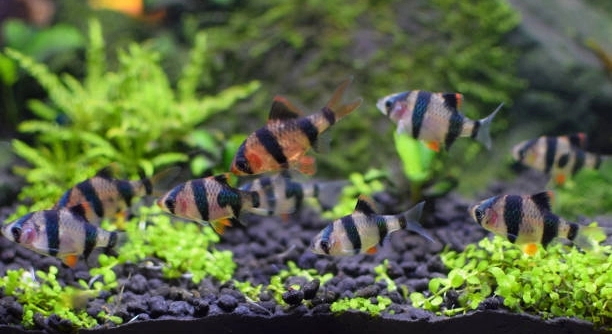
Do your tiger barbs seem healthy one day and then suddenly pass away without warning? This can be confusing and upsetting for many fish keepers. Understanding what might be causing this can help prevent future losses.
Sudden death in tiger barbs is most commonly linked to poor water quality, stress from improper tank conditions, rapid changes in environment, undetected diseases, aggression from tank mates, inadequate diet, or old age.
Learning more about each of these causes will help you spot warning signs early and create a safer, more stable home for your fish.
Poor Water Quality
Water quality plays a big role in keeping tiger barbs healthy. Ammonia, nitrite, and nitrate levels need to be in balance, and the tank should be cycled before adding fish. Dirty water or unbalanced parameters can stress fish quickly. Tiger barbs are sensitive to sudden spikes in toxins, which often happen due to overfeeding, lack of water changes, or overcrowding. When waste builds up, oxygen levels drop, and fish may struggle to breathe. This makes them weak and more likely to get sick or die. Even if the water looks clear, it might still have invisible toxins that harm your fish. Testing the water regularly can help you catch these problems early. Use a reliable test kit and check parameters weekly. Make sure the filter is working well, and change the water regularly—about 25% each week is a good start. Consistent care can prevent many issues before they start.
Keeping tiger barbs in a clean and stable environment supports their immune system and lowers stress levels.
If your fish died suddenly, test the water first before doing anything else. Rapid ammonia spikes can happen overnight. Always treat tap water with a conditioner, and rinse new decorations or gravel before placing them in the tank to avoid contamination.
Stress from Aggressive Tank Mates
Tiger barbs can become stressed when kept with incompatible fish.
Stress weakens their immune system, making them more likely to get sick or die. While tiger barbs can be nippy, they are also targets if housed with more aggressive species. If a fish is constantly being chased, bitten, or forced into hiding, its health can decline quickly. Signs of stress include faded colors, refusal to eat, fast breathing, and hiding more than usual. These behaviors often show up before physical symptoms appear. It’s important to choose tank mates wisely. Good options include other semi-aggressive fish that match the tiger barb’s energy. Avoid slow or long-finned fish like angelfish or guppies. Also, keeping tiger barbs in groups of at least six helps reduce aggression within the species. When kept in small numbers, they often turn on each other or direct their energy elsewhere. Watching how your fish interact gives you clues on whether something is wrong. Removing the source of stress early can help prevent sudden deaths.
Rapid Changes in Environment
Quick shifts in temperature, pH, or water hardness can shock tiger barbs. This stress affects their ability to breathe, digest food, and fight off disease. Sudden changes often happen during large water changes or when moving fish between tanks.
Always match the temperature and pH of new water to the tank before adding it. If the tank water is 78°F and the new water is much colder or warmer, it can create stress. The same goes for pH—tiger barbs need stable conditions. Use a thermometer and test kit to check both before doing water changes. When transferring fish, give them time to adjust by floating their bag in the tank and slowly mixing tank water in over 20–30 minutes. Sudden environmental shifts can damage internal organs and lead to quick death, often without obvious signs. Taking your time during any change can make a big difference.
Tiger barbs prefer water temperatures between 74–80°F and a pH range of 6.0 to 8.0. Staying consistent with those levels helps prevent shock. Avoid cleaning everything in the tank at once, as this can remove beneficial bacteria and disrupt the balance. If you’re adjusting tank conditions, do it in small steps over a few days. Stability is key to keeping tiger barbs healthy and active.
Undetected Illness
Some diseases progress silently and aren’t noticed until it’s too late.
Parasites, bacterial infections, or internal problems might not show signs early on. One day your fish may seem fine, and the next it’s at the bottom of the tank. Ich, velvet, or internal parasites can stay hidden until the fish becomes too weak to fight them off. Watch for signs like clamped fins, white spots, swollen bellies, or red patches. Quarantining new fish for 2–4 weeks can help stop diseases from entering your tank. A fish might carry illness without looking sick. Feeding high-quality food, maintaining clean water, and reducing stress gives tiger barbs a better chance to recover if illness strikes.
Even in a healthy-looking tank, illness can spread fast. Use separate equipment for quarantine tanks, and never return water from a sick tank into the main one. Avoid buying fish from tanks with dead or unhealthy-looking ones, as infections might already be present. If you notice changes in behavior or appearance, act quickly. Early treatment is more effective than waiting. Medications can help, but only if you use the right one and follow instructions carefully. Don’t treat the whole tank unless necessary—observe the sick fish closely first. Proper care and close observation can prevent silent illnesses from becoming deadly.
Inadequate Diet
Feeding tiger barbs the same food every day can lead to nutritional gaps. They need a balanced mix of protein, vegetables, and vitamins to stay healthy. Poor diets weaken their immune system and shorten their lifespan over time.
Frozen, live, and high-quality flake foods should all be part of their meals.
Old Age
Sometimes, tiger barbs die simply because they’ve reached the end of their natural lifespan. Most live for about 5 to 7 years with good care. If you’ve had your fish for a while and it starts slowing down or losing color, it may just be aging. There’s nothing wrong with this, but it’s helpful to recognize the signs. Older fish may not be as active, and their appetite may shrink. You can make them more comfortable by reducing tank stress, offering easy-to-digest food, and avoiding sudden changes. If water conditions are fine and no illness is present, age might be the reason.
Overcrowding
Too many fish in one tank raises waste levels and increases stress. Tiger barbs need space to swim and establish their own areas. When overcrowded, they get territorial and aggressive, which can lead to injuries or death.
FAQ
Can tiger barbs die from stress?
Yes, stress is one of the most common reasons tiger barbs die suddenly. Stress weakens their immune system, making them more likely to get sick or fail to recover from minor issues. Common causes include poor water quality, aggressive tank mates, loud environments, and sudden changes in the tank. Even small things, like tapping the glass or moving decorations around too often, can cause long-term stress. Tiger barbs are active fish and need consistency. If their behavior suddenly changes—like hiding a lot or refusing food—stress may be the reason.
How often should I test my tiger barb tank water?
Weekly water tests are best, especially in smaller or newer tanks. Use a liquid test kit to check ammonia, nitrite, nitrate, and pH. If you’re having frequent issues or just added new fish, test twice a week. These checks help you spot problems before they become dangerous. High ammonia or nitrite levels can kill fish quickly, even if the water looks clear. Water testing doesn’t take long, and it can save you from unexpected losses. Keep a record of the results so you can track any changes over time.
Can overfeeding kill tiger barbs?
Yes, overfeeding can lead to several problems that may cause death. Uneaten food rots in the tank, raising ammonia levels and polluting the water. It can also cause bloating or swim bladder issues in the fish. Tiger barbs should be fed small amounts once or twice a day, with just enough food that they finish in two minutes. If food falls to the bottom and sits there, it’s too much. It’s better to slightly underfeed than to overfeed. A varied diet with quality flakes, pellets, and frozen foods supports better digestion and overall health.
Is a 10-gallon tank big enough for tiger barbs?
No, a 10-gallon tank is too small. Tiger barbs are active swimmers and need space. A group of six or more tiger barbs should be kept in a tank that’s at least 20 gallons, though 30 gallons or more is better. Smaller tanks can lead to aggression, poor water conditions, and high stress. These factors make sudden deaths more likely. A bigger tank also allows for better filtration and a more stable environment. Always consider the full-grown size and activity level of the fish when choosing a tank.
Do tiger barbs need to be in groups?
Yes, tiger barbs are schooling fish and feel safer in groups of at least six. Keeping fewer than that can lead to increased aggression and stress, which raises the chance of illness or death. When in a proper group, they spread out their energy and form a social hierarchy, which helps reduce fights. A lonely or poorly grouped tiger barb may become withdrawn, stop eating, or act aggressively toward other tank mates. If your tank can support it, aim for an even larger group—eight or more is ideal.
How long do tiger barbs usually live?
Tiger barbs typically live between 5 to 7 years when cared for properly. Clean water, a balanced diet, and a stress-free tank can help them reach the upper end of that range. Poor conditions or frequent illnesses can shorten their lifespan. If your tiger barb dies much earlier than that, it’s usually a sign of an environmental or health problem. Keeping track of their age and tank conditions will help you understand if it’s old age or something that needs fixing.
Can tiger barbs recover from illness?
Yes, if caught early and treated correctly, tiger barbs can recover from many common illnesses. Look for signs like white spots, bloating, torn fins, or rapid breathing. Isolate sick fish if possible, and use appropriate treatments based on the symptoms. Water quality should always be checked first—bad conditions often cause or worsen illness. Feeding nutritious food and lowering tank stress can also speed up recovery. Some conditions, like ich, are very treatable if noticed in time. However, if the fish is already very weak, recovery can be difficult.
Why do my tiger barbs die one at a time over several days?
This is usually a sign of an ongoing issue in the tank. It could be poor water quality, an undetected disease, or bullying. When fish die slowly, it often means the problem hasn’t been identified or fixed yet. Keep testing the water daily, observe interactions between fish, and check for early signs of illness. One fish dying can sometimes be an isolated case, but if more start to follow, it’s time to take action quickly. Quarantine tanks, daily testing, and water changes may be needed to stop the pattern.
Should I quarantine new tiger barbs?
Yes, quarantining new fish is very important. Even if they look healthy, they might carry parasites or diseases. A separate tank for two to four weeks allows you to watch for signs of illness without risking your main tank. This step can prevent major problems later on. Quarantine tanks don’t need to be fancy—just a filter, heater, and a place to hide. Avoid adding new fish straight to the main tank, especially if you’ve had health issues before. A simple quarantine process can save time, money, and lives.
Final Thoughts
Taking care of tiger barbs can be a rewarding experience, but it also requires attention and consistency. These fish are active, social, and full of energy, which makes them fun to watch. However, they are also sensitive to changes in their environment and care routine. Sudden deaths are often not random—they usually point to a specific issue, like poor water quality, stress, or disease. That’s why it’s so important to keep an eye on their behavior, test the water regularly, and make sure they have enough space and the right tank mates.
While it can feel discouraging to lose a fish without warning, it’s a chance to look closer at how the tank is being managed. Even small things—like forgetting a water change, skipping a feeding, or adding new fish too quickly—can have big effects over time. Learning from each loss helps prevent more in the future. Simple changes, like adjusting feeding habits, improving filtration, or spacing out water changes more carefully, can make a big difference. A calm, steady environment is the best way to help tiger barbs thrive. Consistency often matters more than anything else.
If your tiger barbs are healthy and active, that’s a good sign you’re doing things right. But staying prepared and informed is always helpful. Keep a schedule for maintenance, know the signs of common fish illnesses, and don’t ignore changes in behavior. If something feels off, check the basics first—water, food, and tank conditions. There’s always more to learn, but you don’t need to do everything perfectly. Just paying attention and responding early can go a long way in keeping your fish healthy. With proper care, tiger barbs can live full, active lives and bring life and color to your tank.

Hello,
If you enjoy the content that we create, please consider saying a "Thank You!" by leaving a tip.
Every little bit helps us continue crafting quality advice that supports the health, happiness, and well-being of pets around the world, for pets of all shapes, sizes, and species.
We really appreciate the kindness and support that you show us!