
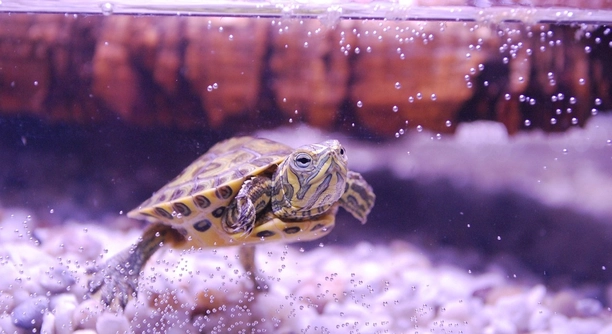
Is your red-eared slider’s shell losing its vibrant color, leaving you worried about its health and well-being?
Red-eared slider shell discoloration is commonly caused by poor diet, insufficient UVB exposure, shell infections, or improper water conditions. Addressing these issues promptly can prevent further complications and promote shell recovery.
Understanding these causes and their solutions is essential to keeping your turtle healthy. Let’s explore practical fixes that ensure your slider thrives in its habitat.
Common Causes of Red-Eared Slider Shell Discoloration
Shell discoloration in red-eared sliders can result from various environmental and dietary factors. Poor water quality, lack of UVB light, or a diet lacking essential nutrients can weaken the shell’s health. Over time, discoloration may develop, indicating issues such as fungal infections or retained scutes. Each of these factors plays a role in your slider’s overall condition and should be addressed promptly to prevent worsening problems. Proper observation and timely intervention can ensure your turtle stays healthy and vibrant.
Maintaining clean water and a balanced diet with adequate UVB exposure can prevent most discoloration issues. Regular health checks help you catch early signs of trouble, allowing you to act before the problem worsens.
Whether it’s adjusting the habitat setup or improving nutrition, simple changes can work wonders. Let’s discuss how to fix common causes of shell discoloration effectively.
Fixing Water Quality Issues
Water quality is essential for your red-eared slider’s shell health. Dirty or stagnant water encourages bacterial and fungal growth, which can lead to discoloration or infections. Regular tank cleaning and filtration are crucial to maintaining a healthy habitat.
Start by testing the water for pH, ammonia, and nitrate levels weekly. A pH level between 6.5 and 8, along with low ammonia and nitrate levels, is ideal. Use a high-quality water filter to remove waste, and change 25% of the water weekly. Adding a water conditioner can neutralize harmful chemicals like chlorine.
Additionally, ensure proper basking areas so your slider can dry off completely, which helps prevent shell rot. By improving water quality, you provide a healthier environment and reduce the chances of shell discoloration.
Improving UVB Exposure
UVB light is critical for your red-eared slider’s shell health. Without it, their body can’t process calcium effectively, leading to shell discoloration and deformities. Make sure your turtle gets consistent UVB exposure every day.
Invest in a UVB bulb designed for reptiles and position it about 12 inches above the basking area. Replace the bulb every six months as UVB output diminishes over time, even if the light is still on. Natural sunlight is the best source of UVB, so occasional outdoor time is highly beneficial.
Pair UVB exposure with a good basking setup. The basking spot should be warm and dry, encouraging your slider to spend time under the light. This combination of UVB and proper basking conditions supports healthy shell growth and prevents discoloration issues linked to calcium deficiency.
Adjusting Your Turtle’s Diet
A poor diet can lead to weak shells and discoloration. Feeding a variety of foods rich in vitamins and minerals is essential for maintaining a healthy shell. Turtles need a balanced mix of protein, vegetables, and calcium.
Include turtle pellets fortified with calcium, dark leafy greens like kale, and occasional treats like feeder fish or cooked shrimp. Avoid overfeeding or giving foods high in fat, which can lead to obesity and nutrient imbalances. Supplements like calcium powder with vitamin D3 can also help ensure proper shell development.
Consistency is key. Feed your turtle on a schedule, and monitor its eating habits to ensure it’s getting the right nutrients. A well-rounded diet is one of the easiest ways to keep your turtle healthy and prevent shell discoloration.
Preventing Shell Infections
Shell infections often cause discoloration and can worsen quickly if untreated. Fungal or bacterial infections thrive in dirty water or damp conditions. Inspect your turtle’s shell regularly for soft spots, foul odors, or unusual discoloration.
If you notice signs of infection, clean the shell gently with a soft brush and diluted betadine. Dry the shell completely before placing the turtle back in its habitat.
Encouraging Proper Basking
Basking is essential for drying the shell and maintaining overall health. Without proper basking time, moisture can linger, leading to infections or discoloration. Provide a basking platform with adequate heat and UVB exposure to encourage your turtle to bask daily.
The basking area should be easily accessible and warm, around 85–95°F. Ensure it is large enough for your turtle to rest comfortably. Consistent basking habits help maintain a healthy, vibrant shell.
FAQ
What are the most common signs of shell discoloration in red-eared sliders?
Shell discoloration often appears as white, yellow, or brown spots, uneven patches, or dulling of the shell’s natural colors. Other signs include soft or flaky areas, foul smells, or irregular texture. These symptoms can signal underlying health issues.
Can poor water quality alone cause shell discoloration?
Yes, poor water quality is a leading cause of shell discoloration. Dirty water promotes bacterial and fungal growth, which can damage the shell. Maintaining clean, filtered water with regular changes is essential to preventing discoloration and infections.
How often should I check my red-eared slider’s shell?
Check your turtle’s shell weekly for discoloration, soft spots, or cracks. Regular inspections help catch potential problems early, allowing you to address them before they worsen. Consistency in care is vital for maintaining shell health.
Is UVB lighting necessary for red-eared sliders kept indoors?
Yes, UVB lighting is crucial for indoor turtles. Without UVB light, they can’t metabolize calcium properly, leading to metabolic bone disease and shell issues. Replace UVB bulbs every six months to ensure consistent output.
What type of diet prevents shell discoloration?
A balanced diet of turtle pellets, leafy greens, and protein sources like insects or fish helps prevent shell discoloration. Calcium supplements with vitamin D3 are also beneficial, especially if UVB exposure is limited.
How do I treat fungal infections on my turtle’s shell?
Clean the infected area gently with a diluted betadine solution and a soft brush. Dry the shell completely before returning your turtle to the tank. Severe infections may require veterinary care for proper diagnosis and treatment.
Can overfeeding cause shell discoloration?
Yes, overfeeding can lead to obesity and nutrient imbalances, which may cause discoloration or deformities. Feed your turtle appropriate portions based on its age and size, and avoid fatty or nutrient-poor foods.
Should I let my red-eared slider bask outdoors?
Yes, outdoor basking under natural sunlight provides the best UVB exposure. Ensure the area is safe from predators and your turtle can’t escape. Limit outdoor time to avoid overheating or dehydration.
What water temperature is ideal for red-eared sliders?
Maintain water temperatures between 75–85°F for healthy shell development. Cooler water can weaken their immune system, while overly warm water may stress them. Use a reliable aquarium heater to regulate temperatures.
Is shell peeling normal for red-eared sliders?
Yes, shedding scutes (outer shell layers) is a normal process as they grow. However, excessive peeling, discoloration, or soft spots may indicate a problem. Monitor closely to ensure it’s part of normal growth.
How long does it take for shell discoloration to improve?
Improvement depends on the cause and severity. Minor discoloration from dietary issues may improve within weeks, while infections or severe problems can take months of consistent care and treatment.
Final Thoughts
Caring for a red-eared slider requires attention to their diet, habitat, and overall health. Shell discoloration is often a sign of underlying issues, but with proper care, most problems can be resolved or prevented. Clean water, adequate UVB lighting, and a balanced diet play vital roles in keeping your turtle healthy and their shell vibrant. By creating a well-maintained habitat, you provide the foundation for their long-term well-being.
If discoloration does occur, it’s essential to act promptly. Early intervention, like addressing water quality or adjusting their diet, can make a significant difference in their recovery. Regular inspections of their shell help you spot issues before they worsen. Don’t hesitate to consult a veterinarian if you notice severe discoloration, soft spots, or signs of infection that home remedies don’t resolve. Professional advice can guide you in treating more serious concerns.
Providing consistent care helps ensure your turtle thrives in its environment. Building healthy routines, such as frequent tank cleanings and offering a variety of nutritious foods, supports their overall health. With patience and attention, your red-eared slider can maintain a strong, colorful shell and enjoy a comfortable, stress-free life. Taking the time to understand their needs is the key to being a responsible and loving owner.

Hello,
If you enjoy the content that we create, please consider saying a "Thank You!" by leaving a tip.
Every little bit helps us continue crafting quality advice that supports the health, happiness, and well-being of pets around the world, for pets of all shapes, sizes, and species.
We really appreciate the kindness and support that you show us!