
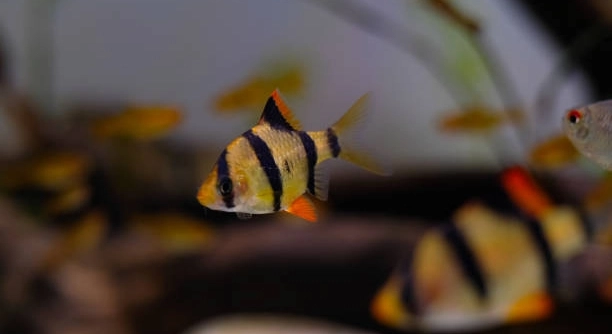
Are your tiger barbs healthy and happy in their tank? Observing their behavior and appearance can help you understand if they are thriving. Recognizing the right signs ensures your fish live a good life.
Healthy tiger barbs display vibrant colors, active swimming, regular eating habits, clear eyes, smooth scales, social behavior, and normal breathing patterns. These indicators collectively confirm that your fish is thriving in its environment.
Knowing these signs will help you maintain an ideal tank environment and support your tiger barbs’ well-being over time. This guide covers the key points to watch for daily.
Vibrant Colors and Clear Scales
One of the easiest ways to tell if your tiger barb is thriving is by looking at its colors. Healthy tiger barbs have bright, bold stripes that stand out clearly. If their colors start to fade or look dull, it may mean they are stressed or unwell. Along with vibrant colors, their scales should appear smooth and intact. Missing or damaged scales can signal problems such as poor water quality or disease. It is important to keep the tank clean and provide a balanced diet to support their skin and scale health. Regular water changes and proper filtration help maintain clear water, which directly affects the fish’s appearance. Watching for these visual signs every day can give you quick clues about your fish’s health without needing special equipment. A strong, colorful tiger barb is usually a good sign that the environment is suitable and the fish is comfortable.
Maintaining water quality and nutrition are key factors in keeping your fish’s colors bright and scales healthy.
Keeping your tank clean, feeding a varied diet, and avoiding overcrowding will help maintain your tiger barb’s vibrant appearance. A healthy fish is more active and easier to enjoy watching. When colors remain sharp and scales smooth, it shows the fish is adapting well to its home. Avoid sudden changes in water parameters, as these can cause stress that dulls colors. Observing these details often helps prevent bigger health problems before they start.
Active Swimming and Social Behavior
Tiger barbs thrive when they can swim actively and interact with other fish. Watching them move confidently around the tank shows they feel safe and healthy. They often swim in groups and enjoy schooling, which is natural for their species. When a tiger barb isolates itself or moves slowly, it might be sick or stressed. Social behavior includes chasing each other gently and competing for food without aggression. A peaceful tank with enough space allows for these natural interactions. Providing hiding spots and plants also encourages confident swimming. Active fish consume more food and maintain better health over time.
Regularly observing your tiger barbs’ activity levels and social interactions helps ensure their well-being.
Active swimming is a clear sign of health in tiger barbs. They require enough room to explore, so a tank that is too small can limit their movement and increase stress. Social behavior is essential because tiger barbs are naturally schooling fish. Keeping them in groups of at least six reduces aggression and supports their natural instincts. When fish show energetic movement and positive interactions, it indicates they are comfortable in their environment. Tanks that support these behaviors promote longer, healthier lives. If you notice sluggishness or isolation, check water conditions and tank mates. Addressing these issues early prevents illness and helps maintain harmony in the aquarium. Active, social tiger barbs are easier to care for and provide more enjoyment as they display their full range of behaviors.
Regular Eating Habits
Tiger barbs that eat consistently show they are comfortable and healthy. A good appetite means they are getting the nutrients needed for growth and energy.
Providing a balanced diet with high-quality flakes, pellets, and occasional live or frozen foods ensures proper nutrition. Feeding small amounts multiple times a day prevents overfeeding and keeps water quality stable. If your tiger barb refuses food or eats irregularly, it might be a sign of stress or illness. Watching their eating habits closely helps catch problems early.
Feeding should be adjusted to the fish’s size and activity level. Overfeeding can cause obesity and poor water quality, which harm health. Underfeeding weakens their immune system. Maintaining regular feeding routines supports their overall well-being.
Clear Eyes and Normal Breathing
Clear, bright eyes without cloudiness indicate good health in tiger barbs. Cloudy or bulging eyes often signal infection or poor water conditions.
Normal breathing involves steady, calm gill movement. Rapid or labored breathing suggests stress or low oxygen levels. Monitor water temperature and oxygen levels to prevent breathing problems. If breathing seems difficult, check for water quality issues or diseases. Maintaining proper tank conditions keeps breathing regular. Good filtration and aeration help oxygenate water.
Healthy eyes and breathing reflect an environment where the fish can thrive without stress. Regular checks help detect early signs of problems before they worsen. Ensuring these conditions improves your tiger barb’s chances for a long, healthy life.
Smooth Scales and No Visible Injuries
Smooth scales without any damage show that your tiger barb is in good health. Scales should lie flat and look even without any raised or missing patches.
Injuries or torn fins may point to tank aggression or poor water conditions. Regular observation helps catch these issues early.
Social Interaction with Other Fish
Tiger barbs naturally form groups and display social behaviors such as swimming together and gentle chasing. Healthy fish engage actively without showing excessive aggression.
Aggressive or withdrawn behavior can indicate stress or health problems. Providing enough space and hiding spots helps maintain peaceful interactions.
Normal Breathing Rate
A steady breathing rate is a clear sign that your tiger barb is comfortable. Rapid or heavy breathing may signal stress or poor water quality.
Monitoring the tank environment ensures your fish can breathe easily and stay healthy.
How often should I feed my tiger barbs?
Feeding tiger barbs two to three times a day in small portions is ideal. This prevents overfeeding, which can pollute the water and harm your fish. Small, frequent meals help them maintain energy and support healthy growth. It’s best to give only as much food as they can consume within a few minutes.
What kind of diet is best for tiger barbs?
Tiger barbs thrive on a varied diet. High-quality flake or pellet food designed for tropical fish forms the base of their nutrition. Supplementing with live or frozen foods like bloodworms, brine shrimp, or daphnia adds protein and variety. Vegetables such as blanched spinach or zucchini can also benefit their health. A balanced diet supports their vibrant colors and energy.
Can tiger barbs live with other fish species?
Tiger barbs are semi-aggressive and do best in groups of at least six to reduce fighting among themselves. They can live with other robust fish that tolerate their active nature, such as danios or larger tetras. Avoid slow-moving, long-finned fish that tiger barbs might nip. Proper tank size and plenty of hiding spaces help keep peace.
What water parameters do tiger barbs need?
Tiger barbs prefer water temperatures between 74°F and 79°F (23°C to 26°C). The pH should be slightly acidic to neutral, around 6.5 to 7.0. Keeping ammonia, nitrites, and nitrates low is crucial. Frequent water testing and regular changes maintain these conditions and support your fish’s health.
How can I tell if my tiger barb is stressed?
Signs of stress include faded colors, erratic swimming, hiding excessively, or loss of appetite. Stress often results from poor water quality, overcrowding, or incompatible tank mates. Addressing the cause quickly improves their condition. Reducing sudden changes and providing a stable environment prevents stress.
What is the ideal tank size for tiger barbs?
A minimum of 20 gallons is recommended for a small group of tiger barbs. They are active swimmers and need space to move freely. Larger tanks reduce aggression and provide better water stability. Adequate space is important for their health and social behavior.
How often should I clean the tank?
Partial water changes of about 25% every one to two weeks help maintain good water quality. Regular cleaning of the substrate and filter supports a healthy environment. Avoid full cleanings unless necessary, as they can disrupt beneficial bacteria. Routine maintenance keeps your tiger barbs thriving.
Can tiger barbs breed in a home aquarium?
Yes, tiger barbs can breed in captivity. They scatter eggs on plants or gravel. If breeding is desired, provide a separate breeding tank with gentle filtration and suitable hiding places for the fry. Parents may eat the eggs, so removing adults after spawning helps protect the young.
What common diseases affect tiger barbs?
Common issues include ich (white spot disease), fin rot, and bacterial infections. Early signs are changes in behavior, appearance, or breathing. Quarantine new fish before adding them to your tank to reduce disease risk. Maintaining clean water and a stress-free environment lowers illness chances.
How do I reduce aggression among tiger barbs?
Keeping tiger barbs in groups of six or more disperses aggression. Providing plants, decorations, and hiding spots breaks line of sight and reduces stress. Avoid overcrowding and incompatible tank mates. A well-planned tank layout encourages natural behavior and minimizes fighting.
These FAQs cover common concerns and practical advice for maintaining thriving tiger barbs. Following these guidelines will support their health and enjoyment in your aquarium.
Maintaining the health and happiness of your tiger barbs requires careful attention to their environment and behavior. Observing key signs such as vibrant colors, smooth scales, regular eating habits, and active swimming can give you clear indications of how well your fish are doing. These signs reflect not only the fish’s physical condition but also the quality of care you provide. A clean tank, proper diet, and suitable tank mates all play important roles in ensuring your tiger barbs thrive. When these factors come together, your fish will show it through their behavior and appearance.
Providing a stable and healthy environment is essential for long-term success. This means monitoring water temperature, pH levels, and cleanliness on a regular basis. Keeping the tank at the right size and stocking level also reduces stress and aggression among your fish. Attention to detail, such as ensuring proper filtration and aeration, supports their breathing and overall well-being. Simple daily checks can help you catch early signs of stress or illness before they become serious problems. Being consistent with tank maintenance and feeding routines creates a comfortable habitat where tiger barbs can flourish.
Finally, understanding your tiger barbs’ natural behaviors helps you meet their needs more effectively. They are social fish that enjoy swimming in groups and interacting with their environment. Encouraging these natural instincts by providing hiding spots, open swimming space, and a varied diet improves their quality of life. By paying attention to their physical health and social behavior, you ensure they remain active and lively. Caring for tiger barbs is rewarding when you see them thriving in a well-maintained tank that supports their health and happiness over time.

Hello,
If you enjoy the content that we create, please consider saying a "Thank You!" by leaving a tip.
Every little bit helps us continue crafting quality advice that supports the health, happiness, and well-being of pets around the world, for pets of all shapes, sizes, and species.
We really appreciate the kindness and support that you show us!