
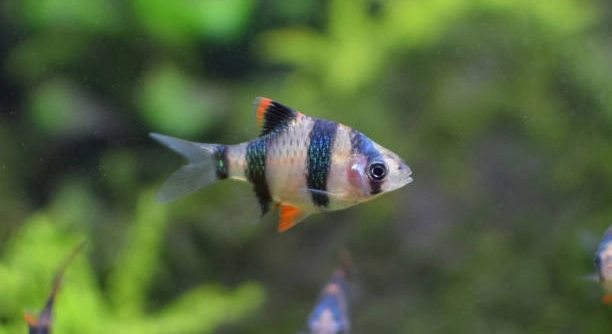
Do you keep tiger barbs in your aquarium and want to learn more about their behavior? These small, colorful fish are popular among hobbyists for their lively nature and striking patterns. Understanding their habits can improve their care.
Tiger barbs do tend to sleep in groups. This schooling behavior helps them feel secure and reduces stress by providing safety in numbers. Group sleeping also reflects their natural instincts in the wild, where they live and rest in schools.
Knowing how tiger barbs rest together can help you create a better environment for them. Their group behavior impacts how they interact and stay healthy in captivity.
Why Do Tiger Barbs Sleep in Groups?
Tiger barbs naturally form schools in their habitat, which carries over to their sleeping habits. Sleeping in groups offers them protection from predators since there is safety in numbers. When they rest close together, it reduces their stress and makes them feel secure. This behavior also allows them to communicate subtle signals about danger or comfort. In captivity, keeping tiger barbs in groups supports their well-being, as isolation can lead to anxiety and unusual behavior. Group sleeping is part of their social structure, helping maintain balance within the tank. This instinctive behavior also promotes healthier interactions and a peaceful environment for all fish. Providing hiding spots and ample space encourages these natural behaviors and keeps them comfortable during rest periods. Observing them sleep together can reveal a lot about their social needs and tank dynamics.
Sleeping in groups is essential for tiger barbs’ stress reduction and natural social behavior.
Understanding this will help you maintain a calm and healthy tank environment for your fish.
How to Create a Comfortable Sleeping Environment for Tiger Barbs
A suitable environment is critical for tiger barbs to rest well. Keeping the tank well-lit during the day and dimmed at night mimics their natural cycle. Adding plants and hiding places lets them feel safe while sleeping. Water quality must be maintained to avoid stress and illness, which affect their rest. Avoid sudden noises or movements around the tank, as tiger barbs are sensitive and easily startled. Maintaining a consistent temperature between 74°F and 78°F also supports their comfort. Feeding them a balanced diet helps keep their energy levels steady throughout the day, promoting proper rest at night. Providing a peaceful environment allows them to display natural sleeping behavior, which benefits their health and overall happiness.
Creating the right conditions supports their group sleeping instincts and promotes well-being in your aquarium.
Signs That Tiger Barbs Are Sleeping
Tiger barbs usually reduce their activity when sleeping. They may hover near plants or decorations without much movement. Their fins often become less active, and their colors might dull slightly. They remain alert to sudden disturbances but generally stay still.
When tiger barbs sleep, they tend to stay close together for safety. Unlike deep sleep in mammals, their rest is light, allowing them to respond quickly to threats. During this time, their breathing slows, and they become less reactive to the environment. It’s common to see them tucked in shaded areas or near the tank bottom. This behavior helps conserve energy while staying prepared for any danger. Observing their calm and reduced motion signals they are resting, not ill.
Occasionally, they may shift positions but generally remain near their group. Proper rest is important for their health and energy levels.
Can Tiger Barbs Sleep Alone?
Tiger barbs prefer group sleeping but can rest alone if necessary. Isolation, however, can increase their stress and reduce their sense of security. Without companions, they might become more skittish and less active.
In captivity, keeping tiger barbs in groups is ideal to mimic their natural social behavior. A solitary tiger barb might hide more often and show signs of anxiety. Over time, this can lead to weaker immune responses or behavioral issues. If you must keep only one, extra care is needed to provide hiding spots and a calm environment. Still, their natural inclination is to school and sleep with others, promoting better rest and overall well-being. Maintaining a small group supports their comfort and health.
How Long Do Tiger Barbs Sleep?
Tiger barbs typically rest for several hours during the night when the tank is dark. Their sleep patterns align with the natural day-night cycle. Light changes signal them to become active or to rest.
Even during rest, tiger barbs remain alert to sudden movements or disturbances. Their sleep is light compared to mammals, allowing quick reactions.
Do Tiger Barbs Need Darkness to Sleep?
Tiger barbs rely on darkness to regulate their sleep. Without a proper night cycle, they may become stressed and restless. Dim lighting or turning off aquarium lights encourages natural resting behavior.
What Happens If Tiger Barbs Don’t Get Enough Sleep?
Lack of proper rest can cause stress and weaken tiger barbs’ immune systems. They may become more aggressive or lose appetite. Sleep deprivation affects their health and behavior negatively.
Can You Tell If Tiger Barbs Are Not Sleeping Well?
Signs include constant movement, hiding, or unusual aggression. Poor sleep disrupts their normal routines and may indicate tank issues.
How can you tell if tiger barbs are stressed while sleeping?
Stressed tiger barbs often show restless behavior during their usual rest periods. Instead of grouping calmly, they may swim erratically or isolate themselves. You might notice rapid gill movement or changes in color, such as fading or darkening. These signs suggest discomfort or environmental problems. Stress can come from poor water quality, inappropriate tank mates, or lack of hiding places. Keeping an eye on their behavior during rest helps catch issues early and improve their comfort.
What are the best tank conditions to support tiger barbs’ sleep?
Maintaining stable water parameters is key. The ideal temperature ranges from 74°F to 78°F with clean, well-filtered water. pH should be between 6.5 and 7.5. Providing plants or decorations offers safe spots for resting. A consistent light schedule with 10-12 hours of darkness helps regulate their sleep cycle. Avoid loud noises and sudden disturbances near the tank, as these stress the fish and disrupt their rest. Regular water changes prevent harmful buildup of toxins that can affect sleep quality.
Do tiger barbs require a specific diet to help with their sleep?
A balanced diet contributes to overall health, which indirectly affects rest. Feeding high-quality flakes, pellets, and occasional live or frozen foods like bloodworms provides necessary nutrients. Avoid overfeeding, which can lead to poor water quality and stress. Proper nutrition keeps energy levels steady and supports their immune system, allowing for better rest. Feeding small amounts multiple times a day mimics natural foraging and prevents digestive issues that might disrupt sleep.
Can tank mates affect tiger barbs’ sleeping habits?
Yes, tank mates play a significant role. Aggressive or very active fish can disturb tiger barbs during rest periods, causing stress and fragmented sleep. Ideal companions include other semi-aggressive species that school and share similar water needs. Avoid slow-moving or shy fish that might hide excessively or be bullied. A balanced community reduces stress and helps tiger barbs maintain natural group resting behaviors. Monitoring interactions ensures all fish coexist peacefully, promoting better rest.
Is it normal for tiger barbs to change sleeping spots frequently?
Yes, tiger barbs often shift their resting locations within the tank. This behavior is natural and helps them feel safe from potential threats. Changes in lighting, water flow, or tank arrangement might influence where they choose to sleep. Providing multiple hiding spots allows flexibility and reduces competition within the group. Frequent movement during rest is not usually a cause for concern unless accompanied by signs of distress or illness.
How do changes in lighting affect tiger barbs’ sleep?
Lighting directly influences their circadian rhythm. Sudden or inconsistent light exposure can confuse their internal clocks, leading to irregular sleeping patterns. Keeping a consistent light-dark schedule supports healthy rest cycles. Using timers for aquarium lights ensures steady conditions. Dim lighting during the evening signals them to slow down and prepare for sleep. Too much light at night can cause stress and disrupt rest, while complete darkness during the day may increase lethargy.
Can tiger barbs sleep during the day?
Tiger barbs are diurnal, meaning they are active during the day and rest mostly at night. However, they may take short naps or periods of low activity during the day, especially in shaded or quiet areas. This behavior is natural and helps conserve energy. Daytime rest usually happens in groups and in secure spots. Consistent light cycles minimize daytime sleeping and keep them active when the tank is illuminated.
What should you do if tiger barbs are not sleeping well?
First, check water quality and tank conditions for stability. Review the light schedule to ensure a proper day-night cycle. Observe tank mates to rule out aggression or disturbance. Increase hiding places to give fish more options for resting safely. If issues persist, consider testing for illness or parasites. Maintaining a calm environment and addressing stressors improves sleep quality. Patience is important, as fish may take time to adjust to changes.
Are there differences in sleep habits between male and female tiger barbs?
There are no significant differences in sleeping patterns between male and female tiger barbs. Both sexes display similar group resting behavior and respond alike to environmental factors. Variations in activity or rest are usually related to individual temperament or tank conditions rather than gender.
How does age affect tiger barbs’ sleep?
Younger tiger barbs tend to be more active and may rest less during the day compared to older fish. As they age, they often show calmer behavior and longer rest periods. Proper care supports healthy development and rest habits. Stress or illness can affect sleep more noticeably in older fish. Providing a stable environment helps all ages maintain normal sleep cycles.
Tiger barbs are naturally social fish that tend to sleep in groups. This behavior helps them feel safe and reduces stress. In both the wild and in aquariums, they rely on the presence of others for comfort during rest. Group sleeping is part of their natural instincts, and it plays a key role in their well-being. When kept in proper conditions with suitable tank mates, tiger barbs can display healthy sleeping habits that reflect their natural behavior. Observing them sleep close together shows that they feel secure and relaxed.
Creating the right environment is important for supporting their sleep patterns. Consistent lighting that mimics natural day and night cycles encourages tiger barbs to rest during the dark periods. Providing hiding places and plants gives them spaces to feel safe and less exposed while sleeping. Maintaining stable water conditions and proper temperature helps reduce stress and supports overall health. When these factors are in place, tiger barbs are more likely to rest well and remain active during the day. Careful attention to their environment can improve both their behavior and longevity.
Understanding tiger barbs’ sleeping habits can improve the way they are cared for in home aquariums. Recognizing that they prefer group sleeping helps avoid keeping them alone, which can cause anxiety and reduce their quality of life. By ensuring a calm, clean tank with appropriate companions and hiding spots, their natural behaviors can be supported. This leads to healthier fish and a more enjoyable aquarium experience. Taking time to learn about their rest and social needs benefits both the fish and the owner.

Hello,
If you enjoy the content that we create, please consider saying a "Thank You!" by leaving a tip.
Every little bit helps us continue crafting quality advice that supports the health, happiness, and well-being of pets around the world, for pets of all shapes, sizes, and species.
We really appreciate the kindness and support that you show us!