
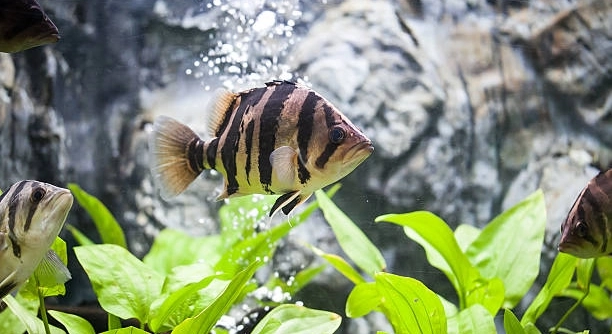
Tiger barbs are lively fish that thrive in a comfortable environment. Knowing when your tiger barb feels secure helps ensure it stays healthy and active. Recognizing their behavior can improve your care and deepen your connection with them.
Signs that a tiger barb is feeling secure include regular swimming patterns, bright coloration, active feeding habits, minimal hiding, social interaction with tank mates, smooth breathing, and calm responses to external stimuli. These behaviors indicate comfort and trust within their environment.
Understanding these signs can improve how you care for your tiger barb. Observing their behavior closely will help maintain a healthy and balanced aquarium environment.
Recognizing Regular Swimming Patterns
Tiger barbs that feel secure tend to swim confidently and steadily around their tank. They explore their environment without hesitation and do not dart nervously or hide frequently. You might notice them swimming in groups, which is a sign they feel safe and social. Their movements are smooth rather than erratic, showing calmness. If you observe a tiger barb lingering near the surface or checking out new decorations, it often means it trusts its surroundings. Conversely, a stressed fish might hide behind plants or decorations more often. Keeping an eye on these patterns will help you notice early if something changes, allowing you to address potential problems before they affect your fish’s health. Regular swimming also means the fish is comfortable with the water conditions and tank setup.
When tiger barbs swim regularly and openly, it reflects a good environment and their overall well-being.
Watching your tiger barb’s swimming habits gives you insight into its comfort level. It is important to maintain stable water temperature and cleanliness to support their natural behavior. Avoid sudden changes or overcrowding, as these can cause stress and disrupt normal swimming. Ensuring the tank has enough space and hiding spots also encourages secure swimming patterns. By observing these behaviors, you can confirm your fish feels secure and happy in its habitat.
Bright Coloration as a Security Indicator
Bright and vibrant colors on your tiger barb often show good health and comfort.
Color changes can indicate stress or illness, so consistent brightness is a positive sign.
Tiger barbs with strong, clear colors are generally well-adjusted to their environment. Bright coloration is not only attractive but also a sign that the fish is feeding well and receiving proper care. Dull or faded colors can mean the fish is stressed, sick, or unhappy with its surroundings. Environmental factors such as poor water quality, incorrect lighting, or incompatible tank mates can affect color vibrancy. Proper diet and a clean, stable tank environment support vivid coloration. Providing a balanced diet rich in nutrients and maintaining optimal water parameters helps the fish retain its natural brightness. When colors remain strong, it signals that your tiger barb feels secure, which contributes to its overall health and longevity.
Active Feeding Habits
Active feeding shows a tiger barb’s comfort and trust in its environment. When your fish eagerly approaches during feeding times, it indicates it feels safe and well.
Regular, enthusiastic eating means the fish is healthy and secure. Tiger barbs that hesitate or refuse food may be stressed or ill. Consistent feeding behavior reflects good water quality and proper tank conditions. It also shows that the fish is not feeling threatened by other tank mates. Feeding on schedule and providing a balanced diet encourages this positive behavior. Watching your tiger barb during feeding helps you monitor its well-being and catch any issues early before they worsen.
Maintaining a calm environment around feeding times supports active eating. Avoid sudden movements or loud noises that could scare your fish away. The presence of healthy feeding habits is a strong sign your tiger barb feels secure.
Minimal Hiding Behavior
Tiger barbs that hide less are more likely to feel secure in their tank. Excessive hiding can be a response to stress or discomfort.
A fish that spends most of its time hiding behind decorations or plants may be uneasy. This behavior often results from poor water conditions, aggressive tank mates, or sudden changes in the environment. When your tiger barb feels safe, it explores the tank openly and rests in visible areas. Providing adequate hiding spots is essential, but overuse of these spaces signals insecurity. Keeping a consistent routine and a stable environment reduces hiding tendencies. Regular water testing and monitoring tank mates help create a comfortable space for your fish. Minimal hiding is a clear sign your tiger barb is confident and settled in its habitat.
Social Interaction with Tank Mates
Tiger barbs that feel secure often interact well with other fish. They swim in groups and show no signs of aggression or fear.
Healthy social behavior includes swimming together and gentle chasing, which is normal for tiger barbs.
Smooth Breathing Patterns
Smooth, steady breathing is a sign your tiger barb feels calm. Rapid or heavy gill movement may indicate stress or poor water quality. Regularly checking breathing helps identify early health issues.
Calm Responses to External Stimuli
Tiger barbs that respond calmly to movements outside the tank feel secure. They may briefly observe without darting or hiding.
Importance of Stable Environment
Maintaining consistent water temperature, clean water, and proper tank size supports your tiger barb’s sense of security. Stability in their surroundings reduces stress and promotes healthy behavior. Regular care ensures your fish remains comfortable and confident in its habitat.
FAQ
How can I tell if my tiger barb is stressed?
Stress in tiger barbs often shows through changes in behavior and appearance. Signs include hiding more than usual, loss of color, rapid breathing, erratic swimming, or refusing to eat. These behaviors usually point to poor water quality, overcrowding, aggressive tank mates, or sudden changes in their environment. Monitoring these signs early helps prevent illness and improves your fish’s comfort. Maintaining stable water conditions and a peaceful tank reduces stress significantly.
What is the best tank setup for tiger barbs to feel secure?
A well-planned tank should have enough space, clean water, and hiding spots. Tiger barbs thrive in groups of at least six because they are social fish. Provide plenty of plants and decorations for shelter but keep open swimming areas. Water temperature should be between 74°F and 79°F, with a pH level around 6.5 to 7.5. Regular maintenance and proper filtration ensure a healthy environment where tiger barbs feel safe.
Why do tiger barbs sometimes nip other fish?
Nipping is a natural behavior, especially when tiger barbs feel insecure or bored. It often happens if the tank is overcrowded or there are too few tiger barbs. Providing enough companions and enrichment reduces this behavior. Ensuring a balanced diet and a spacious tank helps keep aggression low. If nipping becomes excessive, checking the tank conditions and social group is important to restore harmony.
How often should I feed my tiger barbs?
Feeding tiger barbs once or twice daily is ideal. They should receive small amounts of food they can eat within two minutes to avoid overfeeding and water pollution. A varied diet with high-quality flakes, pellets, and occasional live or frozen foods keeps them healthy and active. Consistent feeding routines help tiger barbs feel secure and maintain their bright colors.
Can tiger barbs live with other fish species?
Tiger barbs can live with other fish, but careful selection is important. Avoid slow-moving or long-finned species, as tiger barbs may nip them. Suitable tank mates include fast-swimming fish like danios or other barbs. Keeping tiger barbs in a proper group size also reduces aggression toward other species. A peaceful, compatible community tank supports security and reduces stress for all fish.
What should I do if my tiger barb stops eating?
Loss of appetite can indicate stress, illness, or poor water conditions. First, check water parameters and clean the tank if needed. Observe for signs of disease or injury. Offering varied foods like live or frozen treats can encourage eating. If the problem persists, separating the fish for closer care and consulting a vet or experienced aquarist might be necessary. Early action helps prevent health decline.
How important is tank maintenance for my tiger barb’s security?
Tank maintenance is crucial for a secure environment. Regular water changes, gravel cleaning, and filter checks keep water quality high. Poor water conditions cause stress, illness, and behavior changes in tiger barbs. A stable, clean tank supports healthy swimming, feeding, and social behavior. Staying on a maintenance schedule protects your fish and enhances their well-being.
What role do tank decorations play in a tiger barb’s comfort?
Decorations provide hiding places and reduce stress by allowing fish to escape if needed. They also create a stimulating environment that mimics natural habitats. Plants, rocks, and caves help tiger barbs feel secure by offering shelter and breaking up line of sight. Overcrowding the tank with decorations can limit swimming space, so balance is key. Proper decoration promotes confident, relaxed behavior.
Final Thoughts
Taking care of tiger barbs means paying attention to how they behave and what they need to feel secure. Recognizing signs like regular swimming, bright colors, and active feeding can help you know when your fish is comfortable. These behaviors show that the environment you provide is suitable for their health and happiness. Keeping a stable tank with clean water, proper temperature, and enough space is essential. When the fish feels safe, it will act naturally, which makes caring for them easier and more rewarding.
It is also important to maintain a good balance in the tank community. Tiger barbs are social and do best in groups of at least six. This helps reduce aggression and supports their natural behaviors. Choosing compatible tank mates and giving your fish places to hide but also enough room to swim freely will create a peaceful environment. Avoiding sudden changes or overcrowding will reduce stress and help your tiger barbs stay healthy. By providing a stable and well-maintained tank, you give your fish the best chance to thrive.
Observing your tiger barbs regularly allows you to notice small changes early. These changes can be signs of stress, illness, or discomfort. Acting quickly by checking water quality, diet, or tank conditions can prevent bigger problems. Being consistent with feeding schedules, cleaning routines, and monitoring the fish’s behavior keeps your tank balanced. Overall, paying close attention to your tiger barbs’ needs ensures they remain secure, healthy, and active in their home. This approach makes the experience of keeping tiger barbs enjoyable and successful.

Hello,
If you enjoy the content that we create, please consider saying a "Thank You!" by leaving a tip.
Every little bit helps us continue crafting quality advice that supports the health, happiness, and well-being of pets around the world, for pets of all shapes, sizes, and species.
We really appreciate the kindness and support that you show us!