
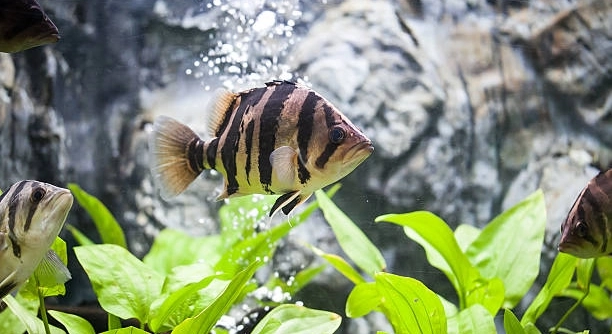
Loud noises in and around aquariums can affect the behavior and health of fish like tiger barbs. Many fish are sensitive to sound vibrations, which can create stress or disrupt their environment. Understanding this impact helps improve their care.
Tiger barbs react to loud noises with increased stress, which can cause erratic swimming, loss of appetite, and weakened immune responses. Prolonged exposure to noise pollution may lead to long-term health issues and reduced lifespan in these fish.
Recognizing how sound affects tiger barbs is important for creating a calm and healthy aquarium environment. This article explores the effects and offers practical insights for better fish care.
How Tiger Barbs Sense Sound
Tiger barbs detect sound through their inner ears and lateral lines, which are sensitive to vibrations in water. These fish are more attuned to low-frequency noises, such as those caused by nearby movements or equipment in the aquarium. Sudden loud sounds or constant background noise can create a feeling of danger. This makes tiger barbs more alert and restless, often causing them to swim erratically or hide. Their natural habitats are quieter, so the noise from household appliances, tapping on the glass, or loud music can be overwhelming. Minimizing these disturbances helps maintain their natural behavior and reduces stress. Keeping the aquarium in a calm area with stable sounds supports their well-being and overall health.
Sound perception in tiger barbs directly influences their behavior and comfort in an aquarium. Maintaining a low-noise environment is crucial to their health.
Creating a peaceful tank environment involves placing the aquarium away from high-traffic areas and noisy appliances. Using quiet filters and avoiding tapping on the glass can prevent unnecessary stress. Regular observation helps catch signs of noise-induced discomfort early. These steps ensure tiger barbs feel safe, swim naturally, and thrive, allowing them to display their full colors and social behavior. Maintaining consistent water conditions combined with reduced noise can greatly improve their quality of life. Small changes in the environment can make a significant difference in how tiger barbs respond to their surroundings.
Effects of Noise on Tiger Barbs’ Health
Prolonged exposure to loud noises can weaken tiger barbs’ immune systems. Constant stress lowers their ability to fight off diseases.
Stress from noise causes physical changes, such as increased heart rate and elevated cortisol levels in tiger barbs. This can lead to poor appetite, weight loss, and slower healing of injuries. Over time, stress also affects their reproduction, causing fewer or less viable eggs. The fish may become more aggressive or withdrawn, disrupting the social dynamics within the tank. Chronic noise exposure can reduce their lifespan by increasing vulnerability to illness and weakening overall health.
To protect tiger barbs, it is important to limit sudden noises and avoid placing the aquarium near loud sources like televisions or speakers. Regular maintenance of tank equipment can prevent irritating sounds from filters or air pumps. Providing hiding spots within the tank also helps tiger barbs feel secure when they detect unavoidable noises. Prioritizing a quiet environment supports their natural behavior and keeps them healthier for longer periods.
Managing Noise Levels in Your Aquarium
Reducing noise around the aquarium helps keep tiger barbs calm. Simple changes in placement and environment can make a big difference in their stress levels.
Placing the aquarium in a quiet room away from heavy foot traffic and loud appliances reduces noise disturbances. Avoid tapping on the glass or moving decorations abruptly. Using equipment designed to operate quietly, such as low-noise filters and air pumps, minimizes constant background noise. Covering the tank with a thick lid can also help reduce sound penetration. These small adjustments create a more peaceful environment, allowing tiger barbs to swim comfortably and maintain natural behavior.
Consistent monitoring of your aquarium’s sound environment is important. If you notice signs of stress, try relocating the tank or adding plants and decorations to absorb sound. These steps contribute to healthier, happier fish and a more enjoyable aquarium experience overall.
Signs of Noise Stress in Tiger Barbs
Stress from loud noises can cause clear behavioral changes in tiger barbs. Recognizing these signs early helps prevent long-term health issues.
Tiger barbs experiencing noise stress may swim erratically, dart suddenly, or hide more often than usual. They might stop eating or lose interest in their surroundings. Color fading and increased aggression are also common indicators. Over time, these behaviors may worsen if the noise continues unchecked. Observing your fish daily allows you to catch these signs early and take steps to reduce noise. Addressing noise stress promptly helps maintain their health, encourages natural behavior, and keeps your aquarium environment balanced.
Creating a Quiet Environment
Choosing a calm location for the aquarium reduces noise exposure for tiger barbs. Avoid placing tanks near busy areas or loud devices.
Soft furnishings nearby, like curtains or rugs, help absorb sound. This further lowers noise levels and creates a peaceful space for the fish to thrive.
Using Noise-Reducing Equipment
Investing in quieter filters and air pumps can significantly decrease constant background noise. Modern aquarium equipment is designed with noise reduction in mind.
Regular maintenance keeps equipment running smoothly and quietly. Clean filters and properly installed parts prevent rattling and vibrations that can disturb tiger barbs.
Benefits of a Calm Aquarium
A quieter tank supports better health and natural behavior in tiger barbs. Stress reduction leads to improved appetite, coloration, and social interaction among the fish.
FAQ
How loud is too loud for tiger barbs?
Tiger barbs are sensitive to sudden, sharp noises and continuous loud sounds. Noise levels above normal household sounds, especially if persistent, can cause stress. Sounds like loud music, banging, or constant vibrations near the tank should be avoided to keep the fish calm and healthy.
Can tiger barbs get used to noise over time?
While tiger barbs may become somewhat accustomed to regular background noise, sudden loud sounds will still startle them. Continuous noise can still cause stress even if they seem less reactive. Reducing noise is the best way to protect their health and well-being.
What are common sources of noise in aquariums?
Common noise sources include filters, air pumps, heaters, and external environmental sounds like household appliances or people moving around. Equipment that vibrates or rattles often causes the most disturbance inside the tank.
How can I reduce noise from aquarium equipment?
Choose quiet models designed for low noise. Place equipment on soft surfaces or use foam pads to absorb vibrations. Regular cleaning and maintenance also help prevent rattling and excessive noise from worn or clogged parts.
Are there natural ways to help tiger barbs feel less stressed by noise?
Adding live plants, rocks, or decorations provides hiding places and helps buffer sound vibrations. These elements give tiger barbs a sense of security, reducing their reaction to unavoidable noise.
Does noise stress affect breeding in tiger barbs?
Yes, excessive noise stress can lower breeding success by disrupting normal behavior and reducing overall health. Calm environments promote better spawning and care for fry.
Can other fish tolerate noise better than tiger barbs?
Different fish species have varying sensitivity to noise. Tiger barbs are moderately sensitive; some species may tolerate more noise, while others may be even more sensitive. Always observe individual fish reactions to noise levels.
Is it harmful to tap on the aquarium glass?
Tapping on the glass creates sudden vibrations that startle tiger barbs and increase stress. Avoid tapping or knocking on the tank to maintain a calm environment.
How quickly do tiger barbs show signs of noise stress?
Signs can appear within minutes to hours after exposure to loud or sudden noise. Erratic swimming and hiding are often immediate, while longer-term effects like weakened immunity take more time to develop.
Can using a tank cover help reduce noise?
Yes, a sturdy tank cover can help muffle external sounds and reduce vibrations inside the aquarium. It also prevents outside disturbances from startling the fish.
What are the best locations in a home for placing a tiger barb aquarium?
Choose a quiet room away from televisions, speakers, and heavy foot traffic. Avoid placing the tank near windows with street noise or near loud appliances like washing machines.
Is music harmful to tiger barbs?
Loud or bass-heavy music can cause stress due to vibrations traveling through the water. Soft, low-volume music is less disturbing but still may affect sensitive fish. It’s best to keep music away from the aquarium.
How does stress from noise affect tiger barbs’ immune systems?
Noise-induced stress triggers hormone changes that weaken immune responses. This makes tiger barbs more prone to infections and diseases, lowering their overall health and survival chances.
Are there any signs of recovery once noise is reduced?
Yes, once noise levels decrease, tiger barbs often regain normal swimming behavior, appetite, and coloration. Stress-related aggression and hiding typically lessen with a quieter environment.
Can noise cause permanent damage to tiger barbs?
Prolonged and intense noise stress may cause lasting health problems or reduce lifespan. Early intervention by reducing noise is key to preventing long-term damage.
Is it helpful to talk softly near the aquarium?
Soft talking is generally not stressful and may even be less disturbing than sudden loud noises. Consistent gentle sounds can help tiger barbs become accustomed to human presence without added stress.
Do tiger barbs communicate through sound?
Tiger barbs mainly rely on visual cues and movement for communication. They do not produce or rely on sounds in the way some other fish species do.
Can noise affect water quality in the tank?
Noise itself does not affect water quality directly, but stressed fish may produce more waste or stop eating, which can indirectly impact water conditions. Maintaining clean water is essential regardless of noise levels.
What should I do if I notice signs of noise stress?
Immediately try to identify and reduce noise sources. Move the tank if necessary, quiet or replace noisy equipment, and add hiding places. Monitor fish behavior closely and maintain optimal water conditions to support recovery.
Are younger tiger barbs more sensitive to noise?
Younger and smaller fish may be more vulnerable to stress from noise because they are less experienced and physically weaker. Extra care is needed to protect young tiger barbs from loud or sudden sounds.
Final Thoughts
Loud noises can have a noticeable impact on tiger barbs. These fish are sensitive to sound vibrations and react with stress when exposed to sudden or constant loud sounds. Stress can cause changes in behavior such as erratic swimming, hiding, and loss of appetite. Over time, continued exposure to noise can weaken their immune system and affect their overall health. Understanding how sound affects tiger barbs helps aquarium owners provide a better environment for these lively fish.
Creating a calm and quiet space for the aquarium is one of the most effective ways to reduce stress for tiger barbs. Choosing a location away from noisy appliances and heavy foot traffic minimizes sudden loud sounds. Quiet equipment such as low-noise filters and air pumps further help keep the noise levels down. Adding decorations, plants, and hiding spots also gives tiger barbs a sense of security, reducing the impact of unavoidable noise. Regular maintenance of aquarium equipment prevents rattling and vibrations that can disturb the fish.
Paying close attention to the behavior of tiger barbs is important. Early signs of stress should not be ignored because they often signal noise-related discomfort. When noise is reduced, tiger barbs typically return to normal behavior, showing improved appetite and color. Protecting tiger barbs from loud noises promotes a healthier and more stable aquarium environment. Overall, keeping noise levels low benefits both the fish and the enjoyment of the aquarium as a whole.

Hello,
If you enjoy the content that we create, please consider saying a "Thank You!" by leaving a tip.
Every little bit helps us continue crafting quality advice that supports the health, happiness, and well-being of pets around the world, for pets of all shapes, sizes, and species.
We really appreciate the kindness and support that you show us!