
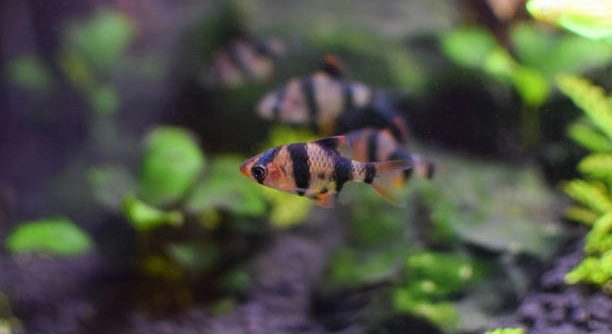
Are your tiger barbs moving slower than usual and showing signs of low energy? Many fish owners notice when their vibrant pets start acting dull and less active. Understanding the reasons behind this behavior can help keep them healthy.
Lethargy in tiger barbs is often caused by factors such as poor water quality, inadequate diet, stress from tank conditions, or underlying illness. Identifying and addressing these causes promptly is essential for restoring their normal activity and well-being.
Recognizing these signs early can make a big difference in your fish’s recovery and long-term health. This article will help you learn what to look for and how to respond effectively.
Common Causes of Lethargy in Tiger Barbs
Tiger barbs can become lethargic for several reasons, many of which are related to their environment or health. Poor water quality is one of the most frequent problems. High levels of ammonia, nitrites, or nitrates in the tank can stress the fish and lower their energy. Temperature also plays a role; water that is too cold or too warm affects their metabolism. Another cause is inadequate nutrition. Tiger barbs need a balanced diet rich in protein and vitamins to stay active. Stress is another factor; overcrowded tanks, aggressive tank mates, or sudden changes in their habitat can make them withdraw and move less. Lastly, diseases and parasites can sap their energy quickly. Watching for other signs like changes in color, appetite, or breathing can help identify illness early. Regular maintenance and observation can prevent many of these issues.
Lethargy is often a sign that something in the fish’s environment or health needs attention. Fixing water and diet problems usually helps quickly.
Understanding these causes helps maintain a healthy and lively aquarium for your tiger barbs.
How to Improve Your Tiger Barb’s Energy
Improving lethargy starts with checking water quality. Test the tank regularly and perform partial water changes to keep conditions safe. Make sure the water temperature stays between 74°F and 79°F, which suits tiger barbs best. Feed your fish a varied diet that includes high-quality flakes, pellets, and occasional live or frozen foods to provide proper nutrition. Avoid overfeeding, which can pollute the tank and cause health issues. Reducing stress is key, so keep the tank environment stable, avoid overcrowding, and provide plenty of hiding spaces. If illness is suspected, isolating the affected fish and consulting with a vet or experienced aquarist is important. Early treatment can prevent more serious problems and help your fish regain energy.
By maintaining good tank conditions and providing proper care, your tiger barbs can become active and healthy again. Regular attention and small adjustments often make a big difference in their behavior and overall well-being.
Signs of Illness in Tiger Barbs
Lethargy often signals illness. Watch for faded colors, clamped fins, or unusual swimming patterns. These signs may indicate infections or parasites affecting your fish.
Common illnesses include ich, fin rot, and bacterial infections. Ich appears as white spots on the body and fins, causing the fish to scratch against objects. Fin rot results in frayed or discolored fins and is often linked to poor water quality. Bacterial infections can cause ulcers, swelling, or lethargy. Early detection is crucial to prevent worsening conditions. Quarantining sick fish and treating with appropriate medication helps control disease spread.
Regular tank cleaning, stable water parameters, and a balanced diet strengthen fish immunity. Reducing stress also lowers the risk of illness. Keeping a close eye on behavior and physical changes can ensure timely treatment and recovery.
Tank Environment and Its Impact on Behavior
The tank environment greatly influences your tiger barb’s activity. Overcrowding causes stress and competition for resources, leading to lethargy. A tank too small or lacking hiding places makes fish feel insecure and less active. Water flow and lighting also affect their comfort. Strong currents can tire fish, while dim lighting might reduce their activity. Maintaining the right balance in tank setup keeps your fish lively and healthy.
Providing a well-structured tank with plants and decorations creates a natural habitat. This encourages exploration and social interaction among tiger barbs. Adequate space allows them to swim freely and display natural behavior. Monitoring and adjusting the tank environment can improve your fish’s energy levels and reduce lethargic behavior significantly.
Water Quality Maintenance
Keeping water clean is essential for tiger barbs’ health. Regular water testing helps spot harmful chemicals early. Partial water changes remove waste and toxins that build up over time.
Using a good filtration system supports stable water conditions. Avoid overfeeding, as leftover food pollutes the tank quickly.
Feeding Tips for Active Tiger Barbs
A balanced diet is vital to prevent lethargy. Tiger barbs need protein-rich foods like bloodworms, brine shrimp, and high-quality flakes. Feeding small amounts two to three times daily ensures they get enough nutrition without overloading the tank. Varying their diet keeps them interested and supports immune health.
Stress Reduction Techniques
Minimizing stress improves your fish’s energy. Avoid sudden changes in tank conditions or lighting. Gentle handling and consistent care routines help fish feel safe and secure.
Monitoring Behavior Changes
Watch your tiger barbs closely for shifts in movement or appetite. Early notice of unusual behavior allows prompt action to address problems.
FAQ
Why is my tiger barb swimming slowly and resting at the bottom?
Slow swimming and resting at the bottom often indicate stress, illness, or poor water quality. Your fish might be conserving energy due to unfavorable tank conditions or an infection. Check the water temperature, ammonia, nitrite, and nitrate levels first. Also, observe if other signs like color fading or fin damage appear, which can help pinpoint the issue.
Can water temperature cause lethargy in tiger barbs?
Yes, water temperature outside the ideal range of 74°F to 79°F affects tiger barbs’ metabolism and activity. Too cold water slows them down, while water that is too warm can cause stress. Use a reliable aquarium heater and thermometer to maintain stable temperatures and keep your fish active.
How often should I clean the tank to prevent lethargy?
Regular cleaning is essential. Partial water changes of about 20-25% every week help remove waste and toxins. Clean the filter monthly to keep it functioning well. Over-cleaning can stress fish, so balance is key—clean enough to keep water healthy without disturbing your fish too much.
What foods help increase energy in tiger barbs?
High-protein foods like bloodworms, brine shrimp, and quality flakes boost energy and health. Feeding small amounts two to three times daily prevents overfeeding and keeps the tank cleaner. Variety in their diet improves nutrition and stimulates natural foraging behavior, supporting overall vitality.
Is it normal for tiger barbs to rest sometimes?
Yes, tiger barbs do rest, but they shouldn’t be inactive for long periods. Short rests are part of their daily routine, but extended lethargy or hiding might signal health problems. Observing patterns helps distinguish normal behavior from possible illness.
Can tank mates affect tiger barbs’ energy levels?
Aggressive or overly dominant tank mates can stress tiger barbs, leading to lethargy. Tiger barbs are active and social, so they do best with compatible species in a well-sized tank. Avoid overcrowding and monitor interactions to ensure all fish thrive.
How do I know if my tiger barb is sick?
Look for signs like loss of appetite, clamped fins, faded colors, unusual swimming, or spots on the body. Lethargy combined with these symptoms usually indicates illness. Early detection and treatment increase chances of recovery, so regular observation is important.
Can water changes alone fix lethargy?
Water changes improve water quality and often relieve stress, which can reduce lethargy. However, if illness or poor diet causes the issue, changes alone might not be enough. Combining water care with proper feeding and disease treatment yields better results.
Should I isolate a lethargic tiger barb?
Isolating a sick fish helps prevent disease spread and allows targeted treatment. Use a quarantine tank if possible. This reduces stress from other fish and makes it easier to monitor recovery closely.
What role does tank size play in tiger barb activity?
Tiger barbs need space to swim and explore. A tank smaller than 20 gallons can cause stress and limit movement, leading to lethargy. Providing adequate space with hiding spots encourages natural behavior and keeps fish energetic.
Taking care of tiger barbs means paying close attention to their behavior and environment. When these fish start acting lethargic, it is often a sign that something in their tank needs fixing. Poor water quality, incorrect temperature, stress from other fish, or illness are common reasons behind low energy levels. By regularly testing water and keeping it clean, you create a healthier space for your fish to thrive. Making sure the tank has enough room and hiding spots can reduce stress and encourage your tiger barbs to swim actively.
Feeding your tiger barbs the right food is also important for their health and activity. A varied diet that includes protein-rich flakes or frozen foods like bloodworms helps maintain their energy. Overfeeding can cause waste buildup, leading to poor water quality, so it’s best to feed small portions multiple times a day. Watching for changes in appetite and behavior helps catch problems early. If you notice your fish showing signs of illness, acting unusually tired, or isolating themselves, it is important to take action quickly. Treating sickness early increases the chances of recovery and keeps the whole tank safe.
Understanding the needs of tiger barbs and providing consistent care can prevent many problems that cause lethargy. Simple steps like maintaining water quality, controlling temperature, offering a balanced diet, and creating a peaceful tank environment make a big difference. These efforts help your fish stay active, healthy, and display their natural behaviors. Regular observation and timely response to changes give you the best chance of keeping your tiger barbs lively and happy in your aquarium for years to come.

Hello,
If you enjoy the content that we create, please consider saying a "Thank You!" by leaving a tip.
Every little bit helps us continue crafting quality advice that supports the health, happiness, and well-being of pets around the world, for pets of all shapes, sizes, and species.
We really appreciate the kindness and support that you show us!