
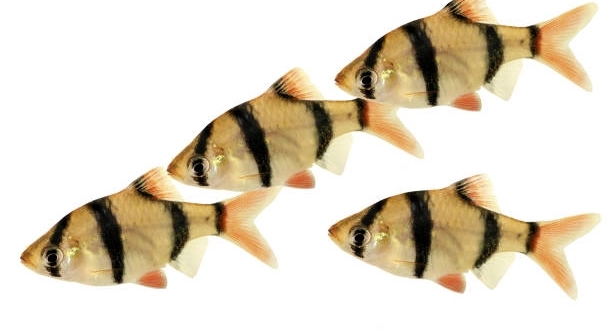
Tiger barbs are popular freshwater fish known for their bright colors and lively behavior. Many aquarium owners enjoy keeping them because they add energy and interest to tanks. These fish have specific social needs that affect their well-being.
Tiger barbs are schooling fish and prefer to be kept in groups of at least six. Keeping them in schools reduces aggression and stress, promotes natural behavior, and supports their overall health in captivity.
Learning about their social habits will help you create a better environment for your tiger barbs and improve their quality of life in your aquarium.
Why Tiger Barbs Need to Be in Schools
Tiger barbs naturally live in groups in the wild. They rely on the safety and social structure that schooling provides. When kept alone or in small numbers, tiger barbs can become stressed and display aggressive behavior. Stress can weaken their immune systems, making them more likely to get sick. In a proper school, tiger barbs interact with each other, chase, and play, which keeps them active and healthy. A group of six or more is recommended to reduce fighting and create a balanced environment. If the group is too small, the fish may pick on each other. This can lead to injury or constant hiding. Watching a school of tiger barbs is more enjoyable because they move together, showing natural behaviors that are interesting and calming to observe.
Keeping tiger barbs in schools helps maintain a peaceful tank environment and promotes their overall well-being.
A good number of tiger barbs ensures they feel secure. Their schooling behavior keeps them moving, which is important for their physical health. They are less likely to become stressed and aggressive when surrounded by other tiger barbs.
How to Set Up a School for Tiger Barbs
When setting up a school, it is important to provide enough space. A tank of at least 20 gallons is recommended for six or more tiger barbs. This gives them room to swim freely and establish a social structure. Adding plants and decorations can help break the line of sight and reduce aggression among them. Keep the water clean and stable with regular maintenance, as tiger barbs are sensitive to poor water conditions. Feeding them a balanced diet also supports their health and energy levels. It is best to introduce all tiger barbs at the same time to avoid territorial disputes. Keeping the group together will help the fish bond and reduce stress.
Start with a proper tank size and clean water to create a comfortable home for your tiger barbs.
Providing a well-maintained tank with hiding spots helps lessen aggressive behavior. Proper care and attention to their social needs ensure a lively and healthy school that thrives together.
Signs Your Tiger Barbs Are Happy in Their School
Happy tiger barbs swim actively and explore their tank without hiding. They interact with each other by chasing playfully but without serious fighting. Bright colors and smooth fins are also good signs of health and comfort.
When tiger barbs are content, they show energetic swimming patterns and move as a group. They often dart around together and use all areas of the tank. Calm social behavior with little aggression means the school is well balanced. If you notice fish that are isolated or stressed, it could mean the group size or tank conditions need improvement.
A healthy school also has fish eating regularly and showing interest in their environment. When the group is stable, stress levels drop and the fish enjoy a longer, healthier life. Watching a happy school can be rewarding because their natural behaviors become more visible.
Managing Aggression in Tiger Barb Schools
Aggression is natural but can be controlled by keeping an appropriate group size and tank setup. Smaller groups tend to be more aggressive because they don’t have enough fish to spread out their attention. Providing hiding spots and plants helps reduce fights by giving shy fish places to retreat. Regular water changes and a clean environment also support calmer behavior.
Feeding the tiger barbs enough food at regular intervals lowers competition and stress. If aggression continues, consider adding more tiger barbs or rearranging the tank decorations to disrupt established territories. Avoid mixing tiger barbs with very slow or long-finned fish, as they may become targets. Monitoring the school closely will help you make adjustments early before problems escalate.
Ideal Number of Tiger Barbs in a School
Keeping at least six tiger barbs helps reduce aggressive behavior and encourages natural schooling. Fewer than six can cause stress and fighting, while larger groups create a more stable social dynamic.
A group of six to ten is usually best for home aquariums. This size allows the fish to form bonds and balance dominance without overcrowding the tank.
Tank Size Recommendations for Tiger Barb Schools
A minimum of 20 gallons is needed for a school of six tiger barbs. This size offers enough space for swimming and territory without causing overcrowding or stress.
Providing a larger tank gives the school more room to spread out, which helps maintain peaceful interactions and overall health.
Common Mistakes When Keeping Tiger Barbs
Underestimating the group size and tank space leads to stress and aggression. Avoid keeping too few tiger barbs or placing them in small tanks.
Maintaining water quality and providing hiding spots are essential to prevent health issues and reduce fighting within the school.
FAQ
Do tiger barbs always need to be kept in schools?
Yes, tiger barbs are schooling fish that thrive best in groups. Keeping them alone or in very small numbers can cause stress and aggression. A group of at least six helps them feel secure and allows them to display natural social behaviors, which improves their health and happiness.
How many tiger barbs should I keep together?
The ideal number is six or more. Smaller groups often lead to increased aggression because the fish focus their attention on fewer companions, which can cause bullying. Larger groups help distribute attention and reduce fights, making the tank environment calmer.
What size tank is suitable for tiger barb schools?
A 20-gallon tank is the minimum recommended size for a school of six tiger barbs. This size gives them enough room to swim freely and reduces stress. Bigger tanks are even better because they provide more space to explore and reduce territorial disputes.
Can tiger barbs live with other fish?
Tiger barbs can live with other fish, but tank mates should be chosen carefully. They may nip at slow-moving or long-finned fish. It’s best to keep them with fast, active fish that can handle their playful but sometimes aggressive behavior. Avoid very small or delicate species.
What causes aggression in tiger barb schools?
Aggression often comes from small group sizes or overcrowded tanks. Lack of hiding spaces and poor water quality can also increase stress, which makes aggression worse. Ensuring enough space, providing plants or decorations, and maintaining clean water can help reduce fighting.
How can I tell if my tiger barbs are stressed?
Signs of stress include hiding, loss of color, frayed fins, and reduced activity. Aggressive chasing or constant bullying between fish is also a stress indicator. If these signs appear, check tank conditions, group size, and water quality immediately.
What should I feed tiger barbs in a school?
Tiger barbs eat a varied diet including flakes, pellets, frozen, and live foods. Feeding a balanced diet supports their energy and health. Feeding small amounts multiple times a day reduces competition and aggression during meal times.
Is it necessary to introduce all tiger barbs at the same time?
Yes, introducing all fish at once helps avoid territorial disputes. Adding tiger barbs slowly to an established group may cause fighting because the fish see newcomers as intruders. Simultaneous introduction helps the group bond more easily.
How often should I clean the tank for a tiger barb school?
Regular maintenance is essential. A partial water change of about 25% every week helps keep the water clean and stable. Clean filters and remove leftover food to prevent waste buildup, which keeps the fish healthy and reduces stress.
Do tiger barbs need hiding spots?
Yes, hiding spots like plants, rocks, or decorations provide shelter and reduce aggression. They give shy or bullied fish a place to retreat and calm down. This helps maintain peace in the school and improves overall well-being.
Tiger barbs are lively and colorful fish that do best when kept in groups. Their natural behavior involves swimming and interacting with others in a school. Keeping them in groups of at least six helps reduce stress and aggression, which are common when they are alone or in small numbers. This schooling behavior also supports their health and allows them to show their natural, playful side. A well-sized tank with clean water and proper care is essential to maintain a peaceful environment where tiger barbs can thrive. When these basic needs are met, their energy and social nature become enjoyable to watch.
It is important to remember that tiger barbs are not suited for very small tanks or living alone. A minimum tank size of 20 gallons is recommended for a school of six, giving them space to swim and establish a social balance. Adding plants and decorations offers hiding places, which helps reduce any aggressive behavior by breaking up their line of sight. Regular water changes and a balanced diet keep the fish healthy and active. Watching a school of tiger barbs moving together and exploring their environment can be very rewarding, especially when you know their needs are met.
Taking care of tiger barbs means paying attention to their social needs as much as their physical health. Aggression and stress can often be avoided by keeping the right number of fish, providing enough space, and ensuring good water quality. These simple steps make a big difference in how well your fish live and behave. Understanding that tiger barbs prefer company helps you create a better home for them. By providing a proper school and tank setup, you give these fish the chance to be their best, lively selves.

Hello,
If you enjoy the content that we create, please consider saying a "Thank You!" by leaving a tip.
Every little bit helps us continue crafting quality advice that supports the health, happiness, and well-being of pets around the world, for pets of all shapes, sizes, and species.
We really appreciate the kindness and support that you show us!