
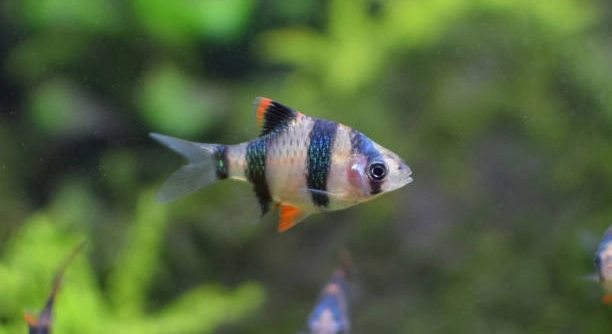
Tiger Barbs and Rosy Barbs are popular choices for home aquariums due to their vibrant colors and active behavior. While they may look somewhat similar, there are clear distinctions between the two species that affect their care and environment. Knowing these differences helps hobbyists make better decisions for their tanks.
Tiger Barbs and Rosy Barbs differ primarily in appearance, behavior, and habitat preferences. Tiger Barbs have bold black stripes and more aggressive tendencies, while Rosy Barbs display softer pinkish hues and are generally more peaceful. These traits influence tank setup and fish compatibility.
Understanding these key differences can improve your fish-keeping experience and help maintain a harmonious aquarium environment. The following details will explain what sets these two species apart.
Appearance Differences Between Tiger Barb and Rosy Barb
Tiger Barbs are easily recognized by their distinct black vertical stripes across a bright orange or yellow body. Their fins often have black or red tips, adding to their striking look. Rosy Barbs, on the other hand, have a more subtle coloration with shades of pink or rosy red, and their scales reflect a soft metallic shine. Their fins are generally less marked, with a lighter, translucent look. Size also varies slightly; Rosy Barbs tend to grow larger, reaching about 6 inches, while Tiger Barbs usually top out around 3 inches. These visual differences help distinguish the two fish at a glance. If you prefer a bold, dramatic color contrast in your aquarium, Tiger Barbs are a solid choice. For a gentler, warm color palette, Rosy Barbs add a calm, inviting tone to the tank’s overall appearance.
The size and coloration of these fish reflect their different environmental needs and behaviors, which is important for their care.
Choosing between these two species often depends on the color scheme and size preferences for your aquarium. Tiger Barbs bring energetic contrast, while Rosy Barbs contribute to a softer, more relaxed atmosphere.
Behavior and Temperament
Tiger Barbs are known for their active and sometimes aggressive behavior, often nipping at slower or long-finned tank mates. This can make them challenging to keep with delicate fish. Rosy Barbs, by contrast, are calmer and more social, often swimming peacefully with other species. They prefer to stay in groups and show less territorial aggression. Because of their temperament, Tiger Barbs are better suited for tanks with similarly active or robust fish. Rosy Barbs can coexist well in community tanks with a wider variety of peaceful species. When selecting fish for your tank, considering behavior is as important as appearance to maintain harmony and reduce stress among the inhabitants. Both species enjoy swimming actively, but their social styles differ significantly. Understanding these differences helps create a balanced environment for all fish involved.
Tank Size and Environment
Tiger Barbs do best in tanks of at least 20 gallons. They need plenty of space to swim actively. Rosy Barbs prefer larger tanks, starting at 30 gallons, due to their bigger size and schooling nature. Both fish enjoy planted tanks with hiding spots.
A well-maintained environment with clean water and stable temperature is essential for both species. Tiger Barbs thrive in slightly cooler water around 74–79°F, while Rosy Barbs prefer warmer temperatures of 68–77°F. Both appreciate moderate water flow and good filtration to keep the tank healthy.
Adding live plants and decorations helps mimic their natural habitats. Tiger Barbs may nip at plants, so choose sturdy species. Rosy Barbs benefit from dense planting for hiding and resting. Creating the right environment reduces stress and encourages natural behaviors in both species.
Feeding Habits
Both Tiger Barbs and Rosy Barbs are omnivores with similar diets. They eat flakes, pellets, and live or frozen foods like bloodworms or brine shrimp. Feeding them a varied diet supports their health and vibrant colors.
Tiger Barbs can be more aggressive at feeding time and may compete with tank mates. Rosy Barbs tend to eat more calmly in groups, which helps reduce stress. Feeding smaller amounts multiple times a day works well for both species to maintain energy and prevent overfeeding.
It’s important to monitor feeding closely to avoid leftover food, which can pollute the tank. Regular feeding routines with balanced nutrition keep both Tiger and Rosy Barbs active and healthy over time.
Lifespan and Growth Rate
Tiger Barbs generally live around 5 to 7 years with proper care. Rosy Barbs often have a slightly longer lifespan, reaching up to 8 years in a healthy environment. Growth rates vary, with Rosy Barbs growing more steadily over time.
Both species require consistent water quality and a balanced diet to reach their full lifespan potential. Neglecting tank maintenance can shorten their lives considerably.
Compatibility with Other Fish
Tiger Barbs can be aggressive, especially toward slow-moving or long-finned fish. They are best kept with similarly active species that can handle their energy and occasional nips. Rosy Barbs are more peaceful and adapt well to community tanks.
When choosing tank mates, it is important to consider temperament and size to avoid stress and injury. Proper pairing ensures a calmer, more balanced aquarium.
Breeding Behavior
Tiger Barbs and Rosy Barbs both spawn in groups, often scattering eggs among plants. Breeding Tiger Barbs can be tricky due to their aggressive tendencies, while Rosy Barbs breed more easily in well-prepared tanks.
Color Variations
Rosy Barbs have several color variations, including gold and albino forms. Tiger Barbs mainly stick to their classic striped pattern with slight color intensity differences.
FAQ
What is the main difference between Tiger Barb and Rosy Barb?
The main difference lies in their appearance and behavior. Tiger Barbs have bold black stripes on an orange or yellow body and tend to be more aggressive. Rosy Barbs are softer in color, with pinkish hues, and generally more peaceful. These traits affect how they interact with other fish and what kind of tank environment suits them best.
Are Tiger Barbs suitable for community tanks?
Tiger Barbs can be kept in community tanks but with caution. Their aggressive nature and tendency to nip at slower or long-finned fish make them less ideal for peaceful tanks. They do better with fast, similarly sized or larger fish that can handle their active behavior. Keeping them in groups of six or more reduces aggression within their own species.
Can Rosy Barbs live with other peaceful fish?
Yes, Rosy Barbs are usually peaceful and get along well with a variety of community fish. They prefer to be kept in schools and can coexist with other non-aggressive species. This makes them a good choice for beginner aquarists looking for colorful but calm fish.
How often should I feed Tiger Barbs and Rosy Barbs?
Both species do well with small, frequent feedings—typically two to three times daily. Offering a varied diet of flakes, pellets, and occasional live or frozen foods helps maintain their health and coloration. Avoid overfeeding, as leftover food can pollute the tank and cause health issues.
What tank size is recommended for each fish?
Tiger Barbs do best in tanks of at least 20 gallons because they are active swimmers needing room to move. Rosy Barbs require larger tanks, 30 gallons or more, due to their bigger size and schooling habits. Proper tank size helps reduce stress and aggressive behavior.
How do I encourage breeding for Tiger Barbs and Rosy Barbs?
Both species are egg scatterers that breed in groups. Provide plenty of plants or spawning mops for egg laying. Tiger Barbs may be more aggressive during breeding, so separating breeding pairs can increase success. Rosy Barbs breed more easily in community tanks with stable water conditions.
What water temperature suits these fish?
Tiger Barbs prefer slightly cooler water between 74 and 79°F, while Rosy Barbs do better in 68 to 77°F. Maintaining stable temperatures within these ranges is important for their health. Both species appreciate clean water with moderate flow and good filtration.
Do Tiger Barbs nip at other fish?
Yes, Tiger Barbs are known to nip fins, especially of slower, long-finned species. This behavior can stress or injure tank mates. Keeping Tiger Barbs in larger groups helps reduce aggression. Choosing compatible, active tank mates also minimizes fin nipping.
Are Rosy Barbs hardy fish?
Rosy Barbs are relatively hardy and adapt well to a variety of water conditions. They do best in well-maintained tanks with stable temperature and clean water. Their peaceful nature makes them less prone to stress-related health problems compared to more aggressive species.
What kind of plants are suitable for tanks with these fish?
Sturdy plants like Java fern, Anubias, or plastic plants work well with Tiger Barbs since they may nip softer plants. Rosy Barbs benefit from denser planting to provide hiding spots. Live plants improve water quality and create a more natural environment for both fish.
How fast do Tiger Barbs and Rosy Barbs grow?
Tiger Barbs grow relatively quickly, reaching full size of about 3 inches within a year. Rosy Barbs grow a bit slower but become larger, up to 6 inches. Proper diet and tank conditions help support healthy growth rates.
Are there different color varieties available?
Rosy Barbs come in several color variations including gold and albino. Tiger Barbs mainly have their classic striped look, though some strains may show slight differences in color intensity. Both species’ colors benefit from good nutrition and clean water.
Both Tiger Barbs and Rosy Barbs are popular choices for freshwater aquariums. Each fish brings unique qualities that make them appealing to different hobbyists. Tiger Barbs stand out with their bold stripes and energetic nature, while Rosy Barbs offer softer colors and a more peaceful temperament. Understanding these differences can help in creating a balanced and healthy aquarium environment that suits both the fish and the keeper’s preferences.
Caring for Tiger Barbs and Rosy Barbs requires attention to their specific needs. Tank size, water temperature, and social behavior all play important roles in their well-being. Tiger Barbs need more space to swim actively and may require tank mates that can tolerate their occasional aggression. Rosy Barbs prefer larger tanks for schooling and tend to get along with a wider range of peaceful fish. Feeding both species a varied diet and maintaining clean water will support their health and vibrant colors.
Choosing between Tiger Barbs and Rosy Barbs often comes down to personal preference and aquarium setup. If a lively, bold fish is preferred and the tank can handle some aggressive behavior, Tiger Barbs are a good option. For those looking for a calmer, more community-friendly fish with gentle colors, Rosy Barbs are an excellent choice. By matching the fish to the right environment and tank mates, both species can thrive and bring life to the aquarium for years.

Hello,
If you enjoy the content that we create, please consider saying a "Thank You!" by leaving a tip.
Every little bit helps us continue crafting quality advice that supports the health, happiness, and well-being of pets around the world, for pets of all shapes, sizes, and species.
We really appreciate the kindness and support that you show us!