
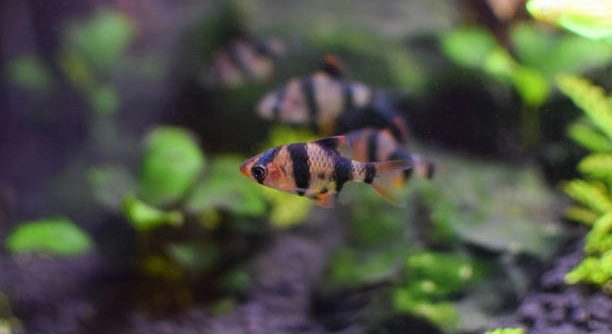
Tiger Barbs are colorful and active fish, but like all aquatic pets, they can suffer from parasites. These tiny invaders can cause noticeable changes in your fish’s behavior and appearance. Recognizing these signs early helps protect your fish’s health.
Parasites in Tiger Barbs often reveal themselves through physical symptoms like spots, clamped fins, or unusual swimming patterns. Other indicators include loss of appetite, rapid breathing, and lethargy. Identifying these signs promptly is essential to prevent severe health issues and ensure proper treatment.
Knowing the signs of parasites is important for every Tiger Barb owner. This article highlights seven key symptoms to watch for, helping you keep your fish healthy and thriving.
Visible White or Yellow Spots
White or yellow spots on your Tiger Barb’s body or fins are a common sign of parasites like Ich. These spots may look like tiny grains of salt or sugar sprinkled over the fish. You might notice your fish rubbing against objects in the tank to relieve irritation. Over time, these spots can spread and cover larger areas, making the fish appear unhealthy. It’s important to act quickly because parasites can multiply fast and cause serious damage. Keeping the tank clean and maintaining good water quality helps prevent infections. If you spot these signs, consider using a parasite treatment recommended for freshwater fish.
These spots are easy to spot and usually the first indicator that something is wrong. Early detection is key to preventing further harm.
Taking action right away with proper medication and improved tank care can stop the parasite from spreading and help your Tiger Barbs recover more quickly.
Clamped Fins and Unusual Swimming
Clamped fins mean your fish’s fins are held close to their body instead of spreading out naturally. This behavior often shows when fish feel stressed or sick due to parasites. You may also notice your Tiger Barb swimming erratically or resting at the bottom of the tank more than usual.
Parasites can affect the fish’s energy levels and balance, causing strange swimming patterns. They might dart quickly for short bursts or appear sluggish and unresponsive. Watching your fish closely helps you catch these changes early. When fish show these symptoms, it’s a clear sign that treatment is necessary to restore their health. Maintaining stable water conditions can reduce stress and help your fish fight off infections.
Loss of Appetite
A sudden drop in your Tiger Barb’s appetite can signal parasite problems. If they refuse food or eat less than usual, parasites may be affecting their digestive system or causing discomfort.
Parasites often irritate the fish internally, making it difficult for them to digest food properly. This can lead to weight loss and weakness if untreated. Watching feeding behavior closely helps catch this sign early. If your fish consistently ignores food, it’s important to investigate and treat possible infections quickly. Proper nutrition supports their immune system during recovery.
Loss of appetite can also lower energy levels, making the fish more vulnerable to other illnesses. Supporting tank cleanliness and treating parasites promptly ensures your Tiger Barb stays strong and healthy.
Rapid Gill Movement
Rapid gill movement means your Tiger Barb is breathing faster than normal. This is a common symptom of parasite infestation or poor water quality. It shows the fish is struggling to get enough oxygen.
Parasites on the gills or in the respiratory system can cause irritation and damage, making it hard for your fish to breathe normally. This symptom can worsen if left untreated, leading to severe health issues. Improving water conditions and treating parasites are necessary steps. Observing gill movement regularly helps detect this early. Oxygen levels and water quality directly affect your fish’s ability to recover. Ensuring a clean, well-oxygenated tank supports their healing process and comfort.
Lethargy and Weakness
Lethargy shows when your Tiger Barb becomes unusually inactive or rests at the bottom of the tank. Weakness means it struggles to swim or stay upright.
These signs often appear as parasites drain the fish’s energy and affect its overall health. Prompt treatment and proper care can help restore vitality.
Frayed or Torn Fins
Parasites and secondary infections can cause your fish’s fins to become frayed or torn. Damaged fins may look ragged and less vibrant.
Regular inspection of your Tiger Barb’s fins is important. Early treatment prevents worsening damage and promotes faster healing.
Excess Mucus or Sliminess
Excess mucus on the skin or gills can be a defense response to parasites. Your fish might appear slimy or have cloudy eyes.
This increased mucus can make breathing harder and attract other infections. Keeping the tank clean and treating parasites helps reduce mucus production.
What causes parasites in Tiger Barbs?
Parasites often enter your tank through new fish, plants, or contaminated water. Stress from poor water conditions or overcrowding weakens the fish’s immune system, making them more vulnerable. Parasites thrive in unclean tanks, so maintaining water quality and quarantine practices reduces risk significantly.
How can I prevent parasites in my Tiger Barbs?
Preventing parasites begins with quarantining new fish before adding them to your main tank. Regular water changes and proper filtration keep the environment healthy. Avoid overcrowding and remove uneaten food to reduce parasite growth. Good nutrition strengthens your fish’s defenses against infections.
What treatments are effective against parasites?
Common treatments include medicated baths, antiparasitic drugs, or salt baths, depending on the parasite type. Follow instructions carefully and treat the entire tank if needed. Some parasites require multiple treatments, so persistence is important. Consulting a vet or aquatic specialist can guide the best approach.
How long does it take for Tiger Barbs to recover from parasites?
Recovery time varies but usually takes one to three weeks with proper treatment. Clean water and stable tank conditions speed healing. During this time, reduce stressors and avoid adding new fish. Monitor for improvements and signs of relapse to ensure full recovery.
Can parasites return after treatment?
Yes, parasites can return if conditions don’t improve or if new infected fish enter the tank. Maintaining tank hygiene and quarantine procedures helps prevent reinfestation. Continuous observation and timely treatment at early signs reduce the risk of recurrence.
Is it safe to keep other fish with infected Tiger Barbs?
It depends on the parasite type. Some parasites spread easily to other fish, while others do not. If you notice signs of parasites, it’s best to isolate affected fish to prevent spreading. Treat all fish if the infection has likely spread throughout the tank.
What role does water quality play in parasite management?
Water quality is crucial. Poor water conditions stress fish and promote parasite growth. Regular testing for ammonia, nitrites, nitrates, and pH levels helps maintain a stable environment. Clean, well-oxygenated water supports fish health and aids in fighting infections.
Can stress cause parasites to appear?
Stress weakens the immune system, making fish more susceptible to parasites. Causes include sudden temperature changes, aggressive tank mates, or poor water conditions. Reducing stress by creating a stable environment lowers the chance of parasite infestations.
Are some Tiger Barbs more prone to parasites?
Younger or weaker fish are generally more vulnerable. Fish under stress or with existing health issues have weaker defenses. Ensuring a balanced diet, clean water, and appropriate tank mates helps protect all your Tiger Barbs.
How do I know if a treatment is working?
Look for reduced symptoms like fewer spots, improved swimming, and better appetite. Fish should regain energy and normal behavior gradually. If no improvement appears after the treatment period, consider trying a different medication or consulting a specialist.
Can I use natural remedies for parasites?
Some natural remedies, like aquarium salt or herbal treatments, may help mild infections. However, they often work slower and may not fully clear parasites. For serious infestations, proven medications are more effective and safer for your fish.
What should I do if multiple fish show parasite signs?
If several fish are affected, treat the entire tank to prevent spreading. Remove debris and perform partial water changes. Monitor water parameters closely and avoid adding new fish until the infection is cleared.
How often should I check my Tiger Barbs for parasites?
Regular observation during daily feeding times helps spot early signs. Look for changes in behavior, appetite, and physical appearance. Early detection improves treatment success and helps protect the whole tank.
Can parasites harm humans?
Most fish parasites do not infect humans, but good hygiene is important when handling aquarium water or fish. Wash hands after tank maintenance to prevent any possible contamination.
Is quarantine always necessary for new fish?
Yes, quarantining new fish for at least two weeks helps detect and treat parasites before introducing them to your main tank. This practice protects your healthy fish and reduces the chance of outbreaks.
The health of your Tiger Barbs depends largely on careful observation and good tank management. Parasites are common problems but can be controlled with the right steps. Knowing the signs early, like spots, clamped fins, or loss of appetite, makes it easier to act before the situation worsens. Regular tank cleaning, proper feeding, and stable water conditions play key roles in preventing these issues. When parasites are caught early, treatment tends to be more effective, and your fish recover faster.
Treating parasites requires patience and attention. Using the correct medication and following instructions carefully helps protect your fish without harming the tank environment. It is important to treat the entire aquarium if several fish show symptoms, as parasites spread quickly. Quarantining new fish before adding them to the tank is a simple but effective way to stop parasites from entering. Paying attention to water quality and reducing stress for your Tiger Barbs keeps their immune system strong, making them less likely to fall ill.
Keeping Tiger Barbs healthy involves more than just treatment—it requires ongoing care and vigilance. Regularly watching your fish for unusual behavior or changes in appearance can prevent many problems. Establishing a routine for tank maintenance and water testing ensures a safe home for your fish. Parasites can be frustrating, but with knowledge and effort, they do not have to cause long-term harm. Your commitment to these small but important habits will help your Tiger Barbs thrive and enjoy a healthy life.

Hello,
If you enjoy the content that we create, please consider saying a "Thank You!" by leaving a tip.
Every little bit helps us continue crafting quality advice that supports the health, happiness, and well-being of pets around the world, for pets of all shapes, sizes, and species.
We really appreciate the kindness and support that you show us!