
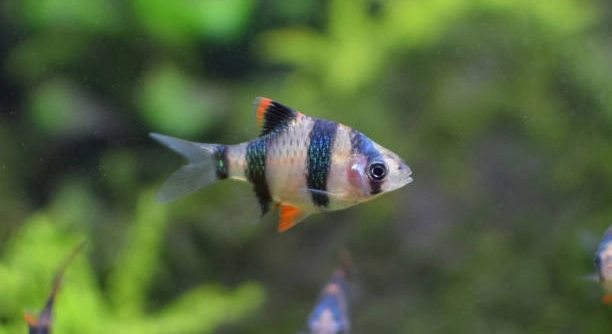
New tiger barbs need proper care when introduced to a new tank. Quarantining them helps prevent diseases and keeps your aquarium healthy. This guide offers a quick way to quarantine your tiger barbs safely and efficiently.
The fastest method to quarantine new tiger barbs involves isolating them in a separate tank for at least two weeks, monitoring water quality, and observing for signs of illness before introducing them to the main aquarium.
Following these steps will protect your fish and maintain a healthy environment for all your aquatic pets.
Preparing the Quarantine Tank
Setting up a quarantine tank for your new tiger barbs is the first step in keeping them safe and healthy. Choose a tank that holds at least 10 gallons of water. Use a filter and heater to maintain stable water conditions similar to the main aquarium. Avoid adding decorations or plants at first to make cleaning easier. The tank should have a lid to prevent fish from jumping out. Before adding the fish, fill the tank with water treated with a water conditioner to remove chlorine and chloramines. Make sure the temperature is steady around 75-79°F, which is comfortable for tiger barbs. Cycling the tank before introducing the fish is best, but if that’s not possible, do frequent partial water changes to keep ammonia and nitrite levels low. Keeping the quarantine tank clean helps reduce stress and limits the chance of infection.
Regular monitoring of water quality in the quarantine tank is essential. Use test kits to check ammonia, nitrites, and nitrates every few days.
A clean and stable quarantine tank will help your tiger barbs adjust without added stress. This step is important because sudden changes in water quality can cause illness. Watch the fish carefully for any signs of disease or unusual behavior. If problems appear, you can treat the fish quickly without risking the rest of your main tank. After two weeks and no signs of illness, your tiger barbs will be ready to move to their new home.
Monitoring and Observation
During quarantine, observe your tiger barbs closely for any signs of stress or sickness.
Look for symptoms like clamped fins, spots, or erratic swimming. Healthy tiger barbs will be active and responsive. Feed them a small amount of quality food once or twice daily to keep their strength up. Avoid overfeeding as it can pollute the water. Note any changes in behavior that might indicate illness. If you spot signs of disease, take action immediately to prevent spreading. Quarantine gives you a safe space to manage treatments if needed, without endangering your other fish. After this careful period, your tiger barbs will be ready to join the main aquarium with reduced risk.
Feeding During Quarantine
Feed your tiger barbs small amounts twice a day.
Use high-quality flakes or pellets designed for tropical fish. Avoid overfeeding to keep the water clean. Uneaten food can quickly pollute the tank and harm your fish.
Keep feeding light but consistent. During quarantine, your fish may be stressed, so smaller portions help them digest better. If they refuse to eat, don’t panic; sometimes fish need time to adjust. Remove leftover food promptly to avoid ammonia spikes. Maintaining good water quality while feeding ensures your tiger barbs stay healthy and ready for the next stage of their introduction.
Treating Common Diseases
If your tiger barbs show signs of illness, start treatment immediately. Many common diseases can be treated effectively in quarantine. Use medications recommended for freshwater fish, such as antifungal or antibacterial treatments. Follow instructions carefully to avoid harming your fish.
Some diseases like ich or fin rot respond well to temperature adjustments and clean water, combined with medication. Quarantine allows you to isolate sick fish and prevent spreading. Treating early increases recovery chances and protects your main tank. Keep observing fish closely during treatment to track progress and adjust care as needed.
Water Changes During Quarantine
Regular water changes are crucial to keep the quarantine tank healthy. Changing 25-30% of the water every two to three days helps remove waste and toxins. This keeps the water clean and reduces stress on your tiger barbs.
Use dechlorinated water at the same temperature as the tank to avoid shocking the fish.
Introducing Tiger Barbs to the Main Tank
Before moving your tiger barbs, slowly acclimate them to the main tank water. Float the quarantine bag in the main tank for 15–20 minutes. Gradually add small amounts of tank water to the bag every 5 minutes. This process helps them adjust to new water conditions safely and reduces stress.
Signs Your Tiger Barbs Are Ready
Your tiger barbs are ready for the main tank when they appear active, eat well, and show no signs of illness. Their fins should be intact, and their colors bright. Observing these signs helps ensure a smooth transition.
FAQ
How long should I quarantine new tiger barbs?
Quarantine for at least two weeks before introducing new tiger barbs to your main tank. This time frame helps ensure they are free from diseases or parasites. Some illnesses may not show symptoms immediately, so two weeks is a safe period to observe their health.
Can I skip quarantine if the fish looks healthy?
It is not recommended. Even healthy-looking fish can carry hidden diseases or parasites. Quarantining helps protect your entire aquarium and saves you from bigger problems later.
What size tank is best for quarantine?
A 10-gallon tank is ideal for quarantining tiger barbs. It’s big enough for several fish but small enough to manage water quality easily. Using a smaller tank may cause rapid water condition changes, while larger tanks might be harder to maintain.
Should I use a heater and filter in the quarantine tank?
Yes, both are necessary. Tiger barbs need stable water temperatures between 75-79°F. A filter helps keep the water clean and supports beneficial bacteria that break down waste. Without these, your fish can become stressed and more vulnerable to illness.
How often should I feed my quarantined tiger barbs?
Feed small amounts twice a day. Overfeeding can pollute the water and harm your fish. If they are not eating much at first, reduce feeding until they adjust. Always remove uneaten food to maintain water quality.
What signs of disease should I watch for?
Look for clamped fins, white spots, redness, torn fins, or unusual swimming behavior. Loss of appetite and lethargy are also warning signs. Early detection is key to successful treatment.
Can I treat diseases in the main tank instead of quarantine?
Treating diseases in the main tank is risky. Medications can harm other fish and disrupt the tank’s balance. Quarantine provides a safe space to treat sick fish without affecting your main aquarium.
What medications are safe for tiger barbs?
Common treatments include antifungal, antibacterial, and antiparasitic medications made for freshwater fish. Always follow dosage instructions carefully and avoid combining treatments without advice. Some medications can stress fish if overused.
How do I acclimate tiger barbs to the main tank?
Float the bag with your tiger barbs in the main tank for 15-20 minutes. Gradually add small amounts of main tank water to the bag every few minutes. This helps fish adjust to new water chemistry slowly, reducing stress and shock.
Can I quarantine multiple fish together?
Yes, you can quarantine several tiger barbs together if the tank is large enough. Keep stocking density low to avoid stress and maintain good water quality. Too many fish in a small space can lead to illness.
Is quarantine necessary for all new fish, not just tiger barbs?
Yes, quarantining all new fish is a good practice. It prevents the spread of disease and protects your established aquarium community. Even fish from trusted sources can carry infections.
How do I know when quarantine is complete?
Quarantine is complete when fish show no signs of illness for two weeks, eat normally, and behave actively. At this point, it is safe to introduce them to your main tank.
What if my tiger barbs get sick during quarantine?
Isolate the sick fish if possible and start treatment immediately. Use appropriate medication based on symptoms. Keep monitoring water quality and fish behavior closely during treatment.
Can quarantine stress fish?
Some stress is normal when fish move to a new environment. Keeping water conditions stable and feeding lightly helps reduce stress. The benefits of quarantine outweigh temporary discomfort by protecting overall health.
What temperature is best for quarantine?
Maintain the quarantine tank between 75 and 79°F. This temperature range suits tiger barbs and helps their immune system function well.
This FAQ covers the most important points to keep your new tiger barbs healthy and ready for a happy life in your aquarium.
Final Thoughts
Quarantining new tiger barbs is an important step that helps protect your entire aquarium. Taking the time to isolate new fish for at least two weeks lets you watch for any signs of illness or stress. This simple process can prevent diseases from spreading to your other fish and causing bigger problems. Although it may seem like extra work, quarantine is a smart way to keep your fish healthy and your tank stable.
Setting up a quarantine tank does not have to be complicated. A small, clean tank with a filter and heater is enough to create a safe space for your tiger barbs. Maintaining proper water temperature and cleanliness is key to reducing stress during this period. Feeding the fish small amounts twice a day will keep them nourished without polluting the water. Watching them closely during quarantine allows you to catch any health issues early and treat them quickly, which improves the chances of recovery.
After successful quarantine, introducing your tiger barbs to the main tank should be done slowly. Gradual acclimation helps the fish adjust to new water conditions, which reduces shock and stress. Healthy, active fish with bright colors and normal behavior are ready to join the community tank. By following these steps, you are giving your tiger barbs the best start in their new home. Overall, quarantine is a simple but effective way to ensure the long-term health and happiness of your fish.

Hello,
If you enjoy the content that we create, please consider saying a "Thank You!" by leaving a tip.
Every little bit helps us continue crafting quality advice that supports the health, happiness, and well-being of pets around the world, for pets of all shapes, sizes, and species.
We really appreciate the kindness and support that you show us!