
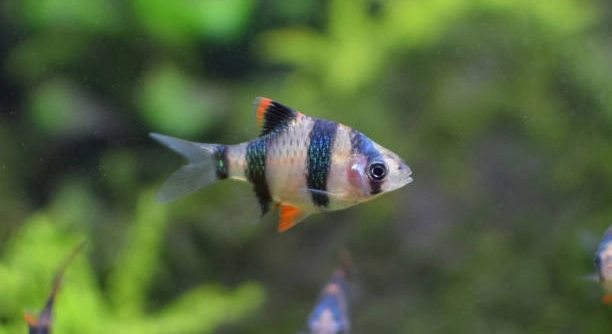
Tiger barbs are small, colorful fish popular in home aquariums. They often flick their bodies, a behavior that many fish owners notice but don’t fully understand. This article explains why they do it and what it means.
Tiger barbs flick their bodies primarily as a response to irritation, stress, or to remove parasites from their skin. This flicking helps maintain their health by dislodging unwanted particles and communicating discomfort or territorial behavior to other fish.
Learning the causes behind this flicking can help you better care for your tiger barbs and create a healthier environment for them.
Common Reasons Tiger Barbs Flick Their Bodies
Tiger barbs flick their bodies for several reasons, mostly related to their health and environment. One main cause is irritation from parasites or algae growing on their scales. Flicking helps them shake off these unwanted visitors. Another reason is stress, which can come from overcrowding, sudden changes in water temperature, or poor water quality. Flicking can also be a way to communicate with other fish, especially when they feel threatened or want to establish dominance. Sometimes, it’s simply a reaction to an itch or discomfort caused by minor injuries or rough decorations in the tank. Understanding these triggers can help aquarium owners spot problems early and provide better care.
In many cases, flicking is harmless and part of normal behavior. But if it becomes frequent or severe, it could indicate a deeper issue.
Monitoring your tank conditions and maintaining cleanliness can reduce flicking caused by irritation or stress.
How to Reduce Flicking Behavior
To reduce flicking, focus on keeping the tank clean and stable. Regular water changes and proper filtration prevent harmful bacteria and parasites from building up. Avoid overcrowding by providing enough space for your tiger barbs to swim freely. Keep decorations smooth and safe to prevent injuries that can cause discomfort. Watch for sudden temperature drops or changes, which stress fish and trigger flicking. Sometimes, flicking decreases after fish get used to their environment or tank mates. Observing their behavior closely can help you identify if flicking is temporary or signals a problem. Taking these steps creates a calm, healthy habitat where flicking is less likely to occur.
When Flicking Indicates Health Issues
Sometimes flicking signals a health problem. If your tiger barb flicks often, it could have parasites like ich or flukes. These pests irritate the skin and cause discomfort, leading to more flicking.
Parasite infections need quick attention. Treat the tank with appropriate medications to clear the infestation. Also, improve water quality by changing water regularly and checking filtration. Sick fish may also show other signs like faded colors or lack of appetite. Catching these symptoms early can prevent more serious health problems and keep your fish happy.
If flicking persists after treatment, consider consulting an aquatic specialist. Persistent flicking might mean another issue like fungal or bacterial infections that also require specific care.
Environmental Stress and Its Impact on Flicking
Stress in tiger barbs is often caused by sudden changes or poor tank conditions. Sharp temperature shifts or high ammonia levels make fish uncomfortable, triggering flicking as a stress response.
To avoid stress, maintain stable water temperature and regularly test water for toxins. Also, provide hiding spots to reduce anxiety. Stress weakens their immune system, making them more vulnerable to disease. Keeping a consistent routine and a clean environment helps minimize flicking caused by stress.
Flicking as a Social Behavior
Tiger barbs sometimes flick their bodies to communicate with others. This can be a way to show dominance or warn other fish to keep their distance. It helps establish their place within the group.
Flicking can also be a sign of excitement or curiosity when exploring their environment or interacting with tank mates.
Impact of Tank Mates on Flicking
Aggressive or overly active tank mates may cause tiger barbs to flick more often. Stress from bullying or competition for food can increase this behavior. Choosing peaceful companions can help reduce flicking caused by social tension.
Observing Flicking Patterns
Tracking when and how often flicking happens gives clues about its cause. If flicking increases during feeding or after introducing new fish, social reasons might be involved.
Importance of Tank Maintenance
Regular cleaning and monitoring water quality reduce flicking caused by irritation or stress.
Why do tiger barbs flick their bodies?
Tiger barbs flick their bodies mainly to remove irritants like parasites or algae. It’s also a way to express stress or discomfort caused by poor water quality, overcrowding, or injury. Flicking can help them shake off anything bothering their skin or signal their mood to other fish.
Is flicking always a sign of illness?
Not always. Flicking can be normal behavior for cleaning or communication. However, frequent or intense flicking may indicate health issues like parasites or infections. Watching for other symptoms like loss of appetite, discoloration, or lethargy can help determine if your fish needs treatment.
How can I tell if flicking is caused by parasites?
Parasite-related flicking usually comes with visible signs like small white spots (ich), redness, or scratching against tank surfaces. If flicking is sudden and constant, parasites might be the cause. A water test and close observation can help confirm this.
What should I do if my tiger barbs flick a lot?
Start by checking water quality and tank conditions. Perform regular water changes and ensure proper filtration. If flicking persists, look for parasites or infections and treat with suitable medications. Reduce stress by avoiding overcrowding and providing hiding spots.
Can flicking be caused by stress?
Yes. Stress from poor water conditions, aggressive tank mates, or sudden changes can cause flicking. Maintaining a stable environment and compatible companions helps reduce stress-related flicking.
Are some tank mates more likely to cause flicking?
Aggressive or territorial fish may stress tiger barbs, causing more flicking. Peaceful and similarly sized fish tend to create a calmer environment. Avoid mixing tiger barbs with highly aggressive species to prevent stress flicking.
How often should I clean the tank to prevent flicking?
Regular maintenance is key. Weekly partial water changes (about 20-30%) and cleaning filters help keep water quality high. Good tank hygiene reduces irritants that cause flicking.
Does flicking mean my tiger barbs are happy or unhappy?
Flicking alone can’t tell you their mood, but excessive flicking usually means discomfort or stress. Normal, occasional flicking may be part of grooming or social behavior.
Can flicking cause injuries to my fish?
Flicking itself usually doesn’t cause harm. However, if fish frequently rub or scrape their bodies due to irritation, they might get small wounds, increasing infection risk.
How can I reduce flicking caused by parasites?
Treat your tank with anti-parasitic medications recommended for fish. Maintain stable water parameters and avoid sudden changes. Quarantining new fish before adding them to the tank can prevent parasite outbreaks.
Is flicking more common in certain tank setups?
Flicking tends to be higher in tanks with poor water quality, overcrowding, or rough decorations that irritate fish. Well-maintained, spacious tanks with smooth surfaces usually see less flicking.
Should I isolate a flicking tiger barb?
Isolate only if the fish shows severe symptoms or is being bullied. Otherwise, focus on improving tank conditions. Isolation can stress fish further if not done carefully.
Can diet affect flicking behavior?
A balanced diet supports overall health but does not directly stop flicking. However, well-fed fish are less stressed and better able to resist infections that cause flicking.
How long does flicking last if caused by parasites?
With proper treatment, flicking caused by parasites usually decreases within a week or two. Continued flicking after treatment means a need to reassess water quality or health issues.
Can flicking be a sign of breeding behavior?
Tiger barbs don’t typically flick their bodies as part of breeding. Flicking is mostly linked to irritation or stress rather than mating. Other behaviors like chasing or color changes are better indicators of breeding.
Tiger barbs flick their bodies for different reasons, mostly to deal with discomfort or communicate with other fish. This flicking behavior can help them remove parasites, signal stress, or show social cues. While flicking is normal sometimes, frequent flicking can mean something is wrong in their environment or health. Paying attention to how often your fish flicks can help you understand what they might be feeling.
Creating a good home for tiger barbs means keeping their tank clean and stable. Regular water changes and testing the water help prevent issues that make fish uncomfortable. It is important to avoid overcrowding so the fish have enough space to swim and stay calm. Also, choosing peaceful tank mates and providing places to hide can reduce stress. When fish are less stressed, flicking usually happens less often. Good care will keep your tiger barbs healthy and happy in the long run.
If flicking happens a lot, it could be a sign of parasites or illness. In that case, taking action quickly is important. Treating the tank, improving water quality, and watching for other symptoms can help stop the problem from getting worse. Sometimes, flicking is just a small warning sign that something needs fixing. By paying attention and acting when needed, you can make sure your tiger barbs live in a safe and comfortable environment.

Hello,
If you enjoy the content that we create, please consider saying a "Thank You!" by leaving a tip.
Every little bit helps us continue crafting quality advice that supports the health, happiness, and well-being of pets around the world, for pets of all shapes, sizes, and species.
We really appreciate the kindness and support that you show us!