
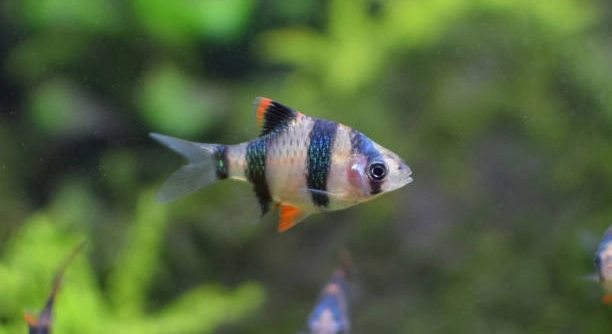
Tiger Barbs are popular freshwater fish known for their bright colors and lively behavior. Many aquarium owners enjoy watching them swim around and interact with other fish in the tank. Their energetic nature sometimes raises concerns about their safety in home aquariums.
Tiger Barbs can jump out of the tank, especially if they feel stressed or if the water conditions are not ideal. They are known to leap over tank edges, so having a secure lid is important to prevent accidents.
Understanding why Tiger Barbs jump can help keep them safe and comfortable in your aquarium environment. This article will explain what causes this behavior and how to reduce the risks.
Why Do Tiger Barbs Jump?
Tiger Barbs often jump when they feel stressed or threatened. This can happen if the tank water quality is poor or if there are sudden changes in temperature. They may also leap when startled by loud noises or sudden movements near the aquarium. Sometimes, the fish jump simply because they are exploring or trying to escape overcrowding. It’s important to keep the tank clean and maintain stable water conditions to reduce their stress. A well-maintained environment helps Tiger Barbs feel safe and less likely to jump out. Providing enough space and hiding spots also encourages calm behavior. Knowing these reasons can help you better care for your fish and prevent accidents.
Jumping is usually a sign that something in the tank environment needs attention or improvement.
Keeping an eye on your fish’s behavior helps you catch these signs early. Small changes in care can make a big difference in their safety.
How to Prevent Tiger Barbs from Jumping
A secure lid on your aquarium is the most effective way to stop Tiger Barbs from jumping out. Make sure the lid fits tightly without gaps, as even small openings can be an escape route. Using a lid also helps maintain water temperature and prevents evaporation. Besides a cover, maintaining good water quality is crucial. Test your water regularly and perform water changes as needed. Avoid overcrowding by keeping a proper number of fish in the tank. Adding plants or decorations gives the fish places to hide and feel secure, which lowers their urge to jump. Gentle lighting and minimizing sudden noises around the tank can also reduce stress. Taking these steps creates a safer and calmer space for your Tiger Barbs.
Tank Setup Tips to Minimize Jumping
A tank with enough space reduces stress and the urge to jump. Tiger Barbs need at least 20 gallons to swim freely and feel comfortable.
Plants and decorations provide hiding spots. These help the fish feel secure and less likely to try escaping the tank. Make sure the tank cover is secure and fits well.
Keep the water temperature steady, ideally between 74°F and 79°F. Sudden changes can cause the fish to panic and jump. Regular water changes and good filtration keep the environment healthy. Clean water means healthier, calmer fish less likely to leap out. Avoid overcrowding, as this causes stress and aggression, increasing the chance of jumping.
Common Signs Your Tiger Barbs Might Jump
Restless swimming near the tank surface is a key sign. It means they might be uncomfortable or stressed. Frequent jumping attempts or sudden bursts of speed also warn of possible escape behavior.
If your fish are darting quickly or bumping into the tank walls, they may feel unsafe or overcrowded. Watch for aggressive behavior like chasing or nipping, which causes stress. Stress can increase the chance they will try to jump. Regularly check water quality, temperature, and tank mates. Maintaining a calm environment lowers stress levels. These signs help you act early before any harm happens.
Feeding Habits and Jumping Behavior
Tiger Barbs often become more active during feeding times. This excitement can sometimes lead to jumping, especially if food floats on the surface. Feeding smaller amounts multiple times a day helps keep their activity steady and reduces sudden bursts.
Offering sinking pellets or spreading food throughout the tank encourages calmer feeding. This reduces competition and stress, lowering the chance of jumping.
Tank Mates That Affect Jumping
Some aggressive or overly active tank mates can cause Tiger Barbs to feel threatened. This increases their stress and jumping attempts. Choose peaceful fish that share similar water needs to keep the tank balanced.
Avoid overcrowding with incompatible species, as this can lead to tension. A calm community tank helps all fish feel safer and more comfortable.
What to Do If a Tiger Barb Jumps Out
If a Tiger Barb jumps out, act quickly to keep it safe. Gently place it back into the tank using wet hands or a soft net. Check the fish for any injuries or signs of stress.
Provide a calm environment afterward to help it recover. Avoid sudden movements or loud noises near the tank for a while.
Importance of a Secure Tank Lid
A tight-fitting lid is essential to prevent escapes. Even small gaps can allow Tiger Barbs to jump out, so check the lid regularly. Secure lids keep the fish safe and help maintain water conditions.
Can Tiger Barbs Jump Out of the Tank?
Yes, Tiger Barbs are known to jump out of tanks occasionally. This behavior often happens when they feel stressed, frightened, or if water conditions are poor. Their natural instinct to leap helps them escape danger in the wild, but in an aquarium, it can be risky. Ensuring a secure lid and good tank care helps prevent this.
Why Do Tiger Barbs Jump?
Tiger Barbs may jump due to stress from overcrowding, poor water quality, or sudden changes in temperature. Loud noises, quick movements near the tank, or aggressive tank mates can also cause them to leap. Sometimes, they jump simply because they are active and exploring. Addressing these issues reduces jumping behavior.
How Can I Stop My Tiger Barbs from Jumping?
The best way to stop Tiger Barbs from jumping is to use a secure, tight-fitting tank lid. Maintain stable water conditions by testing and changing water regularly. Avoid overcrowding and provide enough hiding spots with plants or decorations. Keep noise and sudden movements around the tank to a minimum to reduce stress.
Is Jumping a Sign of Illness?
Jumping is not always a sign of illness but can indicate stress or discomfort. However, if your Tiger Barb is repeatedly jumping or showing other symptoms like loss of appetite or unusual swimming, it may be sick. In that case, check water parameters and consult a vet or fish expert.
Can Jumping Injure My Tiger Barbs?
Yes, jumping can injure Tiger Barbs if they land outside the tank or hit hard surfaces. Injuries can range from minor scrapes to serious damage. This is why preventing jumping and acting quickly if a fish escapes is important for their health and safety.
What Tank Size Is Best for Tiger Barbs?
A minimum of 20 gallons is recommended for Tiger Barbs. This gives them enough space to swim freely and reduces stress. More space helps prevent overcrowding, which is a common cause of jumping and aggressive behavior.
Do Tank Mates Affect Jumping?
Yes, aggressive or overly active tank mates can stress Tiger Barbs, increasing the chance they will jump. Choosing peaceful, compatible fish creates a calmer environment and lowers jumping risk. Avoid overcrowding and watch for signs of aggression.
What Should I Do If My Tiger Barb Jumps Out?
If a Tiger Barb jumps out, gently pick it up with wet hands or a soft net and place it back in the tank immediately. Check for injuries and keep the environment calm afterward. Make sure the lid is secure to prevent future escapes.
Are Some Tiger Barbs More Likely to Jump Than Others?
Individual behavior can vary, but generally, younger or more active Tiger Barbs may jump more often. Stressful conditions affect all fish, so maintaining good care and environment is key for every individual.
How Often Should I Check the Tank Lid?
Regularly check your tank lid to ensure it fits tightly and has no gaps. Over time, lids can shift or wear out. A secure lid is the best defense against jumping fish and keeps your aquarium stable and safe.
Tiger Barbs are lively fish that bring energy and color to any aquarium. Because of their active nature, they sometimes jump out of tanks, which can be dangerous for them. Understanding why they jump helps in keeping them safe and comfortable. Stress, poor water quality, and sudden changes in their environment are common reasons behind this behavior. It’s important to maintain a clean tank with stable water conditions, provide enough space, and avoid overcrowding. These simple steps help reduce stress and make your Tiger Barbs feel secure.
Using a secure lid on the aquarium is one of the best ways to prevent Tiger Barbs from jumping out. Even a small gap can allow them to escape, so checking the lid regularly is essential. Besides the lid, creating a calm environment by reducing loud noises and sudden movements helps keep your fish relaxed. Adding plants and decorations inside the tank also gives the fish places to hide and feel safe. A happy, stress-free Tiger Barb is less likely to jump, which helps ensure their well-being.
If a Tiger Barb does jump out, it’s important to act quickly but calmly. Gently returning the fish to the water using wet hands or a soft net can reduce stress and prevent injury. Watching your fish’s behavior regularly helps catch any early signs of discomfort or stress. Taking care of water quality, tank size, and compatible tank mates all work together to keep Tiger Barbs healthy and safe. Following these guidelines will make your aquarium a better home for these beautiful fish.

Hello,
If you enjoy the content that we create, please consider saying a "Thank You!" by leaving a tip.
Every little bit helps us continue crafting quality advice that supports the health, happiness, and well-being of pets around the world, for pets of all shapes, sizes, and species.
We really appreciate the kindness and support that you show us!