
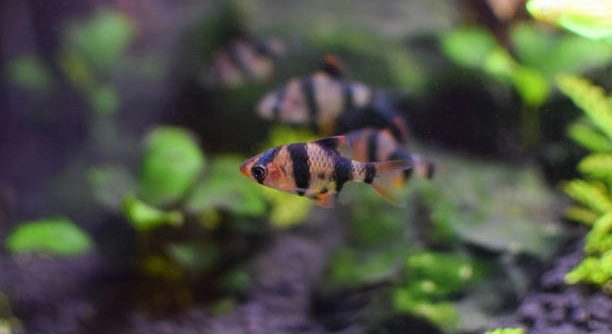
Many aquarium hobbyists enjoy raising Tiger Barb fry but often face challenges with their survival. These tiny fish are delicate, and many factors can affect their growth and well-being. Understanding these reasons can help improve their chances of thriving.
Tiger Barb fry often do not survive due to issues such as poor water quality, inadequate nutrition, stress from overcrowding, and improper tank conditions. These factors can weaken the fry and increase mortality rates significantly in captivity.
Learning about these common problems can help you provide better care. This knowledge is important for anyone hoping to raise healthy Tiger Barb fry successfully.
Poor Water Quality
Poor water quality is one of the main reasons Tiger Barb fry struggle to survive. When water parameters like ammonia, nitrites, and nitrates are not kept in safe ranges, the fry become stressed and weak. New tanks or poorly maintained aquariums can quickly build up harmful toxins. These chemicals damage the fry’s delicate skin and gills, making them more vulnerable to disease. Maintaining clean water with regular partial water changes and proper filtration is essential. Temperature also plays a role—too hot or too cold water can cause stress. It’s important to test water regularly using a reliable kit. Even small changes can impact the fry’s health. Consistent monitoring helps catch problems early before they become fatal. Without proper water conditions, fry are less likely to grow into strong, healthy adults. Taking time to create a stable environment will increase their chances of survival significantly.
Water quality affects fry survival directly by causing stress and health issues. Keeping it stable and clean is crucial for their growth.
Setting up a well-established tank before introducing fry is best. Avoid overcrowding, as too many fish can quickly foul the water. Use gentle filtration to prevent fry from being sucked in or injured. Regular water testing helps track changes and allows you to act before conditions worsen. Remember, patience and consistency with water maintenance are key steps to ensuring your Tiger Barb fry can thrive safely in their environment.
Inadequate Nutrition
Inadequate nutrition often leads to poor growth and higher mortality in Tiger Barb fry. They need small, frequent meals with food rich in protein to support rapid development. Commercial fry food, crushed flakes, and live or frozen baby brine shrimp are good options. Feeding large or inappropriate food can cause digestion problems and waste. Fry have tiny mouths and need food that they can easily eat and digest. Overfeeding should be avoided as it pollutes the water, harming the fry. A balanced diet improves immune function and resilience against disease. When fry do not get enough nutrients, they become weak and more prone to infections. Providing a varied diet helps meet all their nutritional needs and encourages healthy growth. Observing the fry while feeding ensures they are eating well and can help spot any problems early. Feeding properly supports stronger fry and a more successful rearing process.
Stress from Overcrowding
Overcrowding increases stress levels in Tiger Barb fry, making survival difficult. Too many fry in one tank leads to competition for food and space, which weakens them.
When fry compete constantly, weaker individuals struggle to get enough food and oxygen. Stress lowers their immune systems, increasing disease risk. Overcrowding also causes poor water quality faster, harming all fry in the tank. It’s important to provide enough space and separate fry if needed. Regularly thinning out the population or using larger tanks helps reduce stress. A calm environment promotes better growth and reduces mortality.
Separate tanks or breeding boxes can help manage fry populations. Ensuring adequate room for each fry reduces aggressive behavior and improves overall survival rates.
Improper Tank Conditions
Proper tank conditions are vital for raising Tiger Barb fry successfully. This includes maintaining correct temperature, lighting, and hiding places. Fry need stable temperatures between 75°F and 80°F. Sudden changes can shock them and cause death. Gentle lighting reduces stress because fry are sensitive to bright lights. Plants or small decorations provide hiding spots, which make fry feel safer. A tank without hiding spaces leaves fry exposed to stress and aggression from older fish or even their siblings. Regular cleaning is necessary but avoid disturbing fry too much. Using soft water with low hardness mimics their natural habitat and supports healthy development. When tank conditions are right, fry grow faster and survive longer.
Avoid strong currents from filters or pumps, as fry are weak swimmers. Choose equipment designed for fry tanks to maintain a gentle flow. Regularly check temperature and water parameters to keep the environment stable. Proper tank setup makes a big difference in the survival and health of Tiger Barb fry.
Predation by Adult Fish
Adult Tiger Barbs may eat their own fry if left together. This natural behavior reduces fry survival significantly.
Separating fry from adults is essential. Using breeding boxes or separate tanks prevents predation and helps fry grow safely.
Disease and Parasites
Fry are very vulnerable to diseases and parasites because their immune systems are not fully developed. Poor water quality and stress increase their risk. Common issues include fungal infections and protozoan parasites. Regular tank cleaning, quarantine of new fish, and careful monitoring help prevent outbreaks. Treating sick fry early is critical to avoid spreading diseases. Providing a healthy environment reduces the chances of infection, allowing fry to grow stronger and healthier.
Inadequate Oxygen Levels
Oxygen is crucial for fry survival. Low oxygen levels in overcrowded or poorly aerated tanks can cause suffocation and death.
Why do Tiger Barb fry die so quickly?
Tiger Barb fry die quickly mainly due to stress from poor water conditions, inadequate nutrition, and overcrowding. These factors weaken their immune systems, making them vulnerable to diseases and infections. Additionally, predation by adult fish often causes sudden fry loss. Maintaining stable water parameters and separating fry from adults can reduce these risks significantly.
How often should I feed Tiger Barb fry?
Feeding Tiger Barb fry small amounts multiple times a day is best. Usually, feeding 3 to 4 times daily ensures they get enough nutrients without overfeeding. Use finely crushed flakes, specialized fry food, or live baby brine shrimp for optimal growth. Watch the fry to make sure they are eating and adjust the quantity accordingly to avoid water pollution.
What is the ideal tank size for Tiger Barb fry?
A minimum of 10 gallons is recommended for raising a small group of fry. Larger tanks provide better water stability and more space to reduce stress and aggression. If you plan to raise many fry, consider a bigger tank or separate them into multiple tanks to prevent overcrowding.
Can I keep adult Tiger Barbs with fry?
Keeping adult Tiger Barbs with fry is not advised. Adults may eat the fry due to their natural hunting instincts. It’s safer to separate them using breeding boxes or dedicated fry tanks until the fry grow larger and less vulnerable.
How important is water temperature for fry survival?
Water temperature is very important. Tiger Barb fry thrive between 75°F and 80°F. Temperatures outside this range cause stress, slow growth, and can lead to death. Use a reliable heater and thermometer to maintain stable temperatures in the fry tank.
How do I prevent diseases in Tiger Barb fry?
Preventing diseases starts with good tank hygiene. Regular water changes, avoiding overcrowding, and quarantining new fish reduce disease risk. Observe fry daily for signs of illness like lethargy or spots. Early treatment and maintaining clean water help keep fry healthy.
What should I do if my fry aren’t growing well?
If fry are not growing well, check water quality and feeding routines first. Poor water or insufficient food can stunt growth. Also, reduce stress by ensuring enough space and hiding places. Adjust conditions and diet to support better development.
Is it okay to use tap water for fry tanks?
Tap water can be used if properly treated. Always use a water conditioner to remove chlorine and chloramines, which are harmful to fry. Letting water sit for 24 hours or using a filtration system helps make tap water safe for fry.
How long do Tiger Barb fry take to grow?
Tiger Barb fry typically grow to juvenile size in about 6 to 8 weeks with proper care. Growth rates depend on water quality, temperature, and nutrition. Providing the right conditions speeds up healthy development.
Can fry survive without hiding spots?
Fry can survive without hiding spots, but they feel stressed and more vulnerable. Adding plants or small decorations creates shelter and reduces stress. This encourages natural behavior and improves their chances of survival.
Raising Tiger Barb fry can be a rewarding experience, but it comes with its challenges. Many factors affect their survival, from water quality to nutrition and tank conditions. Understanding these elements helps create a better environment for the fry to grow healthy and strong. Consistency is key. Regular water testing, careful feeding, and maintaining a calm tank will give your fry a good chance at reaching adulthood.
It is important to remember that fry are very delicate during their early stages. Stress from overcrowding, poor water, or sudden changes can harm them quickly. Keeping fry separated from adult fish prevents predation and reduces stress. Providing hiding places and a stable temperature also supports their growth. Attention to detail in these areas often makes the difference between losing fry and successfully raising them.
Lastly, patience and observation play a big role in raising Tiger Barb fry. Watching how the fry behave and grow can help you spot problems early, such as disease or lack of food. Making small adjustments when needed will improve their survival rate. While it may take some effort, the rewards of seeing healthy, thriving fish make it worthwhile. With proper care and time, your Tiger Barb fry can develop into lively, colorful adults that bring life to your aquarium.

Hello,
If you enjoy the content that we create, please consider saying a "Thank You!" by leaving a tip.
Every little bit helps us continue crafting quality advice that supports the health, happiness, and well-being of pets around the world, for pets of all shapes, sizes, and species.
We really appreciate the kindness and support that you show us!