
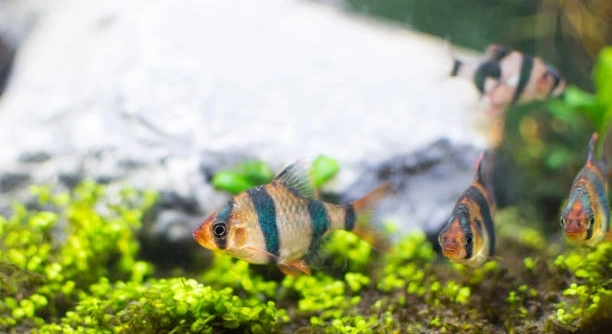
Do you love the idea of keeping colorful fish but find yourself unsure about what to expect before bringing them home?
Tiger barbs are active, semi-aggressive fish that thrive in groups of at least six and need a spacious, well-maintained tank. Their behavior, care needs, and compatibility with other species should be considered before purchasing.
Knowing these basics can help you create a healthy environment and avoid common mistakes many new fish owners face.
Tiger Barbs Need to Be in Groups
Tiger barbs are schooling fish, which means they need to be kept in groups to feel safe and show their natural behavior. Keeping them alone or in small numbers can lead to stress and aggression. A group of at least six is ideal, but more is usually better. When in a proper group, their energy is spread among each other, and they’re less likely to pick on other fish. This also helps them stay active and healthy. A well-sized tank is important to support the group and give them enough space to swim freely and avoid constant chasing.
In smaller groups, tiger barbs often become aggressive. They tend to nip fins and chase other fish, especially when they’re stressed or bored.
Larger groups keep tiger barbs busy with each other, which lowers their stress levels and makes them easier to manage. This helps create a calmer tank environment overall.
They Can Be Aggressive With the Wrong Tank Mates
Tiger barbs have a reputation for being nippy and territorial, especially when kept with slow-moving or long-finned fish.
They are best kept with other fast, active fish that can hold their own and won’t be stressed by the barbs’ energy. Fish like danios, loaches, or other barbs often make better companions than species like angelfish or bettas. It’s important to watch how new tank mates react and adjust the tank setup if needed. Giving everyone plenty of space, hiding spots, and keeping tiger barbs in a proper group all help reduce aggressive behavior. Overcrowding and stress from poor tank conditions can also lead to increased aggression. Regular water changes, proper feeding, and stable water temperatures support better behavior and health. Choosing the right mix of fish from the start can make a big difference in how peaceful your aquarium stays.
They Need More Space Than You Might Expect
Tiger barbs are small, but they’re fast swimmers and need room to move. A tank that’s too small can lead to stress, sickness, and aggressive behavior. A group of six needs at least a 20 to 30-gallon tank to stay healthy and active.
A longer tank works better than a tall one because tiger barbs like to swim back and forth. They do best in tanks with open space for swimming and a few hiding spots for breaks. Overcrowding can cause them to become territorial, even in larger groups. Make sure there’s enough room for each fish to swim freely without bumping into others. Using plants, driftwood, or decorations helps break up sightlines, so they don’t constantly see each other and pick fights. A good tank layout, along with the right size, helps keep stress down and allows their natural behavior to show.
It’s also important to think about future growth. While you may start with six tiger barbs, many people end up adding more over time. Planning for a larger tank from the beginning saves money and stress later on. A stable environment is easier to maintain in a bigger tank, and it gives you more room to include compatible tank mates. Small tanks also get dirty faster, which can lead to health problems. So even though tiger barbs are often sold as beginner fish, they do best when their space needs are taken seriously right from the start.
Water Conditions Must Stay Stable
Tiger barbs are hardy, but they still need clean and steady water conditions. Sudden changes in temperature, ammonia spikes, or poor filtration can make them sick or stressed, which leads to behavior problems.
Keep the tank between 74–79°F with a heater and thermometer to avoid sudden changes. A good filter is needed to handle waste, especially in tanks with many active fish. Do weekly water changes—about 25%—to keep the water clean. Test the water often for ammonia, nitrites, and nitrates. A reading of zero for ammonia and nitrites is ideal, and nitrates should be kept low. Use a dechlorinator every time you add new water. Feeding them just enough and removing uneaten food helps reduce waste buildup. Clean water makes a big difference in how active and colorful your tiger barbs stay. Good water quality also lowers the chance of illness spreading through the tank.
They Can Live Longer Than You Think
Tiger barbs can live up to 5–7 years with proper care. Their lifespan depends on water quality, diet, and a stress-free environment. Many people assume they’re short-term pets, but they’re a longer commitment than expected.
A healthy group of tiger barbs will stay active and colorful for years. Skipping tank maintenance, overfeeding, or poor water quality can shorten their lifespan.
Feeding Them the Right Way Matters
Tiger barbs are not picky eaters, but that doesn’t mean you should give them anything. A varied diet keeps them healthy and enhances their color. Use high-quality flakes or pellets as a base. Supplement their meals with frozen or live foods like brine shrimp and bloodworms a few times a week. Feed them small amounts once or twice a day—only what they can finish in two minutes. Overfeeding leads to dirty water and health problems. If you see leftovers floating around after feeding, you’re likely giving them too much. Keeping their diet balanced makes a noticeable difference in their energy and appearance.
They Breed Easily in the Right Setup
If conditions are right, tiger barbs may start breeding on their own. A separate breeding tank helps protect eggs from being eaten.
FAQ
How aggressive are tiger barbs?
Tiger barbs are known for being semi-aggressive, especially if kept in small groups or with slow-moving fish. In groups of six or more, their aggression is mostly directed toward each other, which helps reduce bullying of other tank mates. They may nip fins but usually do not cause serious harm when in proper groups. Stress, overcrowding, or poor tank conditions can increase aggressive behavior, so maintaining a good environment is key to managing their temperament.
What tank size is best for tiger barbs?
A minimum of 20 to 30 gallons is recommended for a group of six tiger barbs. They need room to swim actively and establish a social hierarchy. Smaller tanks can cause stress and increase aggression. Longer tanks work better than tall ones because tiger barbs swim horizontally. Additional tank mates require even more space to reduce conflict.
Can tiger barbs live with other fish?
Yes, but compatibility depends on the species. Tiger barbs do better with fast, active fish like danios, rasboras, and other barbs. Avoid slow, long-finned fish like angelfish or bettas, as tiger barbs may nip their fins. Provide plenty of hiding spots and plants to break lines of sight and reduce stress. Watch for aggressive behavior when introducing new fish.
What should I feed tiger barbs?
Tiger barbs thrive on a varied diet. Use high-quality flakes or pellets as the main food. Supplement with frozen or live foods like brine shrimp, bloodworms, and daphnia for extra nutrition. Feed small amounts once or twice daily, only what they can eat in about two minutes to prevent overfeeding and water quality issues.
How often should I clean the tank?
Perform weekly water changes of about 25% to maintain water quality. Regular cleaning of the substrate and filter media is important but avoid cleaning everything at once to preserve beneficial bacteria. Test water parameters frequently to catch problems early. Clean water helps keep tiger barbs healthy and reduces stress.
Do tiger barbs need special water conditions?
They prefer water temperatures between 74 and 79°F (23–26°C) with a pH of 6.5 to 7.5. Stable water conditions are important—avoid sudden temperature or pH changes. Use a good filtration system to keep ammonia and nitrites at zero and nitrates low. Dechlorinate tap water before adding it to the tank.
How can I tell if my tiger barbs are healthy?
Healthy tiger barbs are active, swim freely, and show bright colors. They eat regularly and have clear eyes and fins without damage. Watch for signs of illness like clamped fins, spots, faded color, or lethargy. Early detection and treatment improve recovery chances.
Will tiger barbs breed in a community tank?
They may spawn if conditions are right, but eggs and fry are often eaten by other fish. Setting up a separate breeding tank is best to protect eggs and young fish. Provide fine-leaved plants or spawning mops for egg-laying. Remove adults after spawning to improve fry survival.
How do I reduce aggression in tiger barbs?
Keep them in groups of six or more to spread out aggression. Provide plenty of space, hiding places, and plants to break lines of sight. Avoid overcrowding and maintain excellent water quality. Introducing compatible tank mates helps, but avoid species that trigger fin-nipping behavior.
Are tiger barbs good for beginners?
They are hardy and can be suitable for beginners who understand their social and care needs. Proper tank size, group size, diet, and water maintenance are essential. Beginners should research their behavior and compatibility to avoid problems. With good care, tiger barbs can be a colorful and lively addition to a home aquarium.
Tiger barbs are lively and colorful fish that can bring energy to any aquarium. They require a bit more care and attention than some other beginner fish, but the effort is worth it if you want an active and interesting tank. Keeping them in groups of six or more helps reduce their aggressive behavior and lets them show their natural schooling habits. A properly sized tank with clean, stable water conditions is key to their health and happiness. This means paying attention to temperature, water quality, and regular maintenance.
Feeding tiger barbs a balanced diet that includes both flakes or pellets and occasional live or frozen foods keeps them strong and vibrant. Overfeeding can quickly cause water problems, so it’s important to give just the right amount of food and remove anything uneaten. Their diet and environment both play big roles in preventing illness and keeping their colors bright. It’s easy to overlook these details when starting out, but once you see healthy, active fish, you’ll know it’s worth the care.
If you want to keep other fish with tiger barbs, choose tank mates that can handle their energy and occasional nipping. Fast, active fish like danios or rasboras usually do well together. Avoid slow-moving, long-finned fish that might get stressed or hurt. Creating a well-planned tank setup with hiding spots and space helps keep peace in the aquarium. Tiger barbs can live for several years if cared for properly, so they are more than just a short-term addition. With the right knowledge and setup, these fish can be a rewarding part of your aquarium for a long time.

Hello,
If you enjoy the content that we create, please consider saying a "Thank You!" by leaving a tip.
Every little bit helps us continue crafting quality advice that supports the health, happiness, and well-being of pets around the world, for pets of all shapes, sizes, and species.
We really appreciate the kindness and support that you show us!