
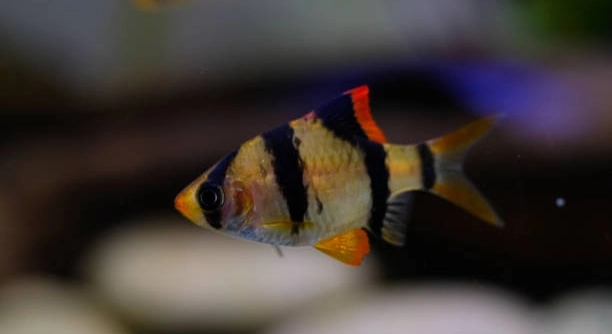
Tiger Barbs are a popular choice for many aquariums, known for their lively behavior and bright colors. Many fish enthusiasts wonder if these active fish can share a tank peacefully with shrimp. Understanding their compatibility helps maintain a balanced aquatic environment.
Tiger Barbs can live with shrimp, but careful consideration is needed. They may sometimes prey on smaller or slow-moving shrimp, especially if the shrimp lack hiding places. Providing a well-planted tank with plenty of cover reduces risks and promotes harmony.
Knowing how to set up the tank properly can make all the difference. The right environment supports both species, ensuring a peaceful and healthy aquarium community.
Behavior of Tiger Barbs Towards Shrimp
Tiger Barbs are known for their active and sometimes aggressive behavior in the aquarium. They are curious fish and tend to explore their surroundings frequently. This can lead them to chase smaller creatures, including shrimp. The risk to shrimp depends largely on the size and species of shrimp, as well as how well the tank is set up. Shrimp that are very small or slow-moving, such as baby shrimp or some dwarf species, are more vulnerable. However, adult shrimp with hard shells can often avoid being eaten. Providing plenty of hiding spots, such as plants, rocks, and decorations, helps shrimp stay safe. Tiger Barbs may occasionally nip at shrimp, but this behavior can be minimized with proper tank management and enough space for both species to coexist comfortably.
Tiger Barbs’ natural curiosity means they will inspect shrimp but don’t always attack. Observing their behavior can help you intervene if needed.
By understanding their interactions, you can create a tank that supports both tiger barbs and shrimp. Ensuring the aquarium has a complex environment reduces stress and aggression. Adding hiding places for shrimp not only protects them but also encourages natural behavior from the fish. Keep in mind that overcrowding can increase aggression, so maintaining a balanced population is important. Regular feeding also helps reduce chances of tiger barbs targeting shrimp for food. With proper care, it is possible to have a diverse tank where tiger barbs and shrimp thrive together without constant conflict.
Setting Up a Tank for Tiger Barbs and Shrimp
Tank setup is essential to ensure harmony between tiger barbs and shrimp. Providing plenty of plants and decorations gives shrimp safe places to hide.
A well-planted tank with varied hiding spots makes shrimp less visible to tiger barbs, decreasing the chance of predation. Choose hardy plants like Java fern or Anubias that create cover without requiring much care. The tank size should be at least 20 gallons to give enough space for both species to move freely. A larger tank reduces territorial behavior and aggression. Consider adding floating plants to diffuse light and provide additional shelter. Decorations such as rocks, driftwood, and caves help shrimp feel secure. Regular tank maintenance keeps water quality high, which benefits all inhabitants. Feeding tiger barbs frequently and with a varied diet reduces their interest in shrimp as food. Proper setup and management make it easier to maintain a peaceful community tank with these species.
Feeding Tiger Barbs with Shrimp in the Tank
Feeding tiger barbs well is key to preventing them from attacking shrimp. A varied diet reduces their need to hunt tank mates.
Providing high-quality flakes, pellets, and occasional live or frozen foods satisfies their nutritional needs. Feeding small amounts several times a day keeps them occupied and less aggressive. If tiger barbs are hungry, they are more likely to nip at shrimp. Supplementing with vegetables like blanched spinach or zucchini adds fiber and variety. Careful feeding routines create a calmer environment where shrimp are less at risk.
Keep an eye on feeding habits to ensure all fish get enough food. Uneaten food should be removed promptly to avoid water quality problems. Overfeeding can cause health issues, so balance is important. Consistent feeding schedules help maintain peace between tiger barbs and shrimp by reducing competition for food.
Choosing Shrimp Species Compatible with Tiger Barbs
Some shrimp species handle tiger barbs better than others. Larger, armored shrimp are generally safer.
Amano shrimp and larger species like tiger shrimp have a better chance of surviving with tiger barbs because of their size and hard exoskeletons. Smaller shrimp, such as cherry shrimp or baby shrimp, are more vulnerable and often become targets. Selecting shrimp with natural defenses and good hiding abilities improves survival rates.
It’s also important to introduce shrimp when tiger barbs are well-fed and the tank environment has sufficient hiding places. This combination increases the chance of peaceful coexistence. The right shrimp species paired with a proper tank setup helps reduce conflicts and supports a diverse, healthy aquarium.
Tank Size Recommendations
A minimum tank size of 20 gallons is recommended for keeping tiger barbs with shrimp. Larger tanks help reduce aggression and give both species enough space.
Providing enough room allows shrimp to find hiding spots and lowers stress for tiger barbs. Overcrowding often leads to increased chasing and aggression, which puts shrimp at risk.
Water Parameters for Compatibility
Maintaining stable water conditions is important for both tiger barbs and shrimp. Aim for a temperature range between 74°F and 79°F, with a pH around 6.5 to 7.5.
Consistent water quality supports healthy shrimp and fish, reducing stress and potential aggression. Frequent water changes and proper filtration help keep the tank environment balanced.
Signs of Aggression
Watch for chasing, nipping, or injured shrimp as signs of aggression from tiger barbs. Early detection helps prevent serious harm.
Intervene by adjusting the tank setup or separating species if aggressive behavior increases. Monitoring behavior regularly is essential for a peaceful tank.
FAQ
Can tiger barbs and shrimp live together peacefully?
Yes, tiger barbs and shrimp can live together, but it depends on the tank setup and shrimp species. Tiger barbs are naturally curious and sometimes aggressive, which means shrimp need plenty of hiding spots to stay safe. Larger or armored shrimp have a better chance of surviving with tiger barbs.
What shrimp species are safest with tiger barbs?
Amano shrimp and tiger shrimp are among the safest choices because of their size and tough shells. Smaller shrimp like cherry shrimp or baby shrimp are more likely to be targeted and may not do well in a tank with tiger barbs.
How big should the tank be?
A tank of at least 20 gallons is recommended to give both tiger barbs and shrimp enough space. More space means less aggression and more places for shrimp to hide, which helps reduce stress and attacks.
What water conditions are best for both?
Both tiger barbs and shrimp thrive in similar water conditions. Keep the temperature between 74°F and 79°F and the pH around 6.5 to 7.5. Stable water parameters are important to keep both species healthy and calm.
How can I prevent tiger barbs from eating shrimp?
Provide plenty of plants, rocks, and decorations for hiding places. Feed tiger barbs often with a varied diet to reduce their interest in shrimp. Watching their behavior regularly helps catch any aggression early.
Will tiger barbs always attack shrimp?
Not always. Tiger barbs can coexist peacefully with shrimp if the tank is properly set up and they are well-fed. However, their natural curiosity means some chasing or nipping can happen, especially if shrimp are very small.
How often should I feed tiger barbs?
Feeding small amounts several times a day is best. This keeps tiger barbs occupied and less likely to hunt shrimp. Include flakes, pellets, and occasional live or frozen foods for a balanced diet.
What signs show tiger barbs are aggressive towards shrimp?
Signs include chasing shrimp frequently, nipping, or seeing injured or missing shrimp. If aggression increases, adjust the tank setup or consider separating them.
Can baby shrimp survive with tiger barbs?
Baby shrimp are usually at high risk because they are small and slow. Without enough hiding places, they can become easy targets for tiger barbs.
Is it better to introduce shrimp before or after tiger barbs?
It is usually better to introduce shrimp after the tiger barbs are established and well-fed. This reduces aggressive behavior as the fish are less territorial and less likely to hunt shrimp.
How can I make sure shrimp hide safely?
Use dense plants like Java fern or Anubias and add rocks or driftwood. Creating a complex environment gives shrimp places to hide and reduces stress for both species.
What happens if aggression gets worse?
If tiger barbs become too aggressive, it may be necessary to separate the shrimp or increase tank size. Sometimes removing the more aggressive fish is the only way to protect shrimp.
Do tiger barbs eat dead shrimp?
Tiger barbs may eat dead shrimp, so it’s important to remove any deceased tank mates quickly to avoid water quality problems.
Can tank mates affect tiger barbs’ behavior?
Yes, other fish can influence tiger barbs’ aggression levels. Keeping peaceful species alongside can help balance their behavior, but avoid very slow or small fish that might be targeted.
What plants are best for shrimp safety?
Plants like Java moss, Anubias, and Java fern provide good cover. Floating plants also help diffuse light and create shadows where shrimp can hide.
How often should I clean the tank?
Regular cleaning and water changes every 1-2 weeks keep water quality high. Good water conditions reduce stress and aggression in both tiger barbs and shrimp.
This FAQ covers the main concerns about keeping tiger barbs and shrimp together. Proper care, feeding, and tank setup are key to creating a peaceful environment for both species.
Tiger Barbs and shrimp can live together, but it takes some effort and planning to make it work well. These fish are active and sometimes a little aggressive, which can put shrimp at risk. However, with a large enough tank, plenty of hiding places, and the right shrimp species, peaceful coexistence is possible. It is important to provide a good environment that meets the needs of both animals. Careful tank setup, proper feeding, and monitoring behavior regularly all help reduce stress and aggression in the aquarium.
Choosing the right shrimp is also very important. Larger shrimp like Amano or tiger shrimp tend to do better because they are less likely to be seen as food. Smaller shrimp, such as cherry shrimp, are more vulnerable and need extra protection. A planted tank with thick plants, rocks, and decorations gives shrimp places to hide and feel safe. The tank size should not be too small since crowding increases aggression among tiger barbs. Keeping water conditions stable and within the proper range benefits all tank inhabitants, helping to keep everyone healthy and calm.
In the end, patience and attention to detail matter most when keeping tiger barbs with shrimp. It may take some trial and error to find the right balance. Watching your fish and shrimp closely allows you to spot any issues early and adjust care as needed. While it is not guaranteed that tiger barbs and shrimp will always get along perfectly, thoughtful care can greatly improve their chances of living together peacefully. With the right setup, both species can share an aquarium, providing a lively and interesting aquatic community.

Hello,
If you enjoy the content that we create, please consider saying a "Thank You!" by leaving a tip.
Every little bit helps us continue crafting quality advice that supports the health, happiness, and well-being of pets around the world, for pets of all shapes, sizes, and species.
We really appreciate the kindness and support that you show us!