
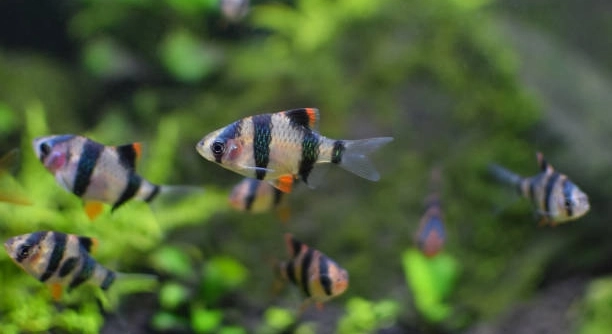
Tiger barbs are lively fish that can show stress in their tanks if conditions are not ideal. Stress affects their health and behavior, making tank care important for these active swimmers. Proper maintenance helps keep them comfortable and thriving.
Reducing stress in tiger barb tanks involves maintaining clean water, providing enough space, ensuring compatible tank mates, offering a balanced diet, creating hiding spots, regulating lighting, and monitoring water temperature. These steps promote a stable environment that supports their well-being.
Following these tips will improve your tiger barbs’ quality of life and reduce stress-related problems in your aquarium. The right environment makes all the difference for healthy, happy fish.
Keep Water Clean and Stable
Maintaining clean water is essential for reducing stress in tiger barb tanks. Regular water changes help remove toxins like ammonia and nitrites, which can build up quickly and harm your fish. Testing water parameters weekly ensures that pH, hardness, and nitrate levels stay within safe ranges. Using a good filtration system also keeps the water clear and free of waste. Avoid sudden changes in water conditions because tiger barbs are sensitive to shifts. Stable water quality supports their immune system and reduces aggressive behavior. Consistency in water care prevents common health problems linked to stress. Even a small lapse in maintenance can cause your fish to become restless or lose appetite. Taking time to monitor and adjust water quality creates a safe and comfortable habitat for your tiger barbs to thrive. Clean water forms the foundation of a stress-free tank environment.
Regular water changes of about 20-30% weekly are recommended to maintain optimal water quality. Consistency is key.
Providing clean water reduces the risk of disease and improves oxygen levels. Fish living in stable conditions tend to show brighter colors and more natural behavior. Neglecting water care often leads to stress-related illnesses. Paying attention to water quality helps ensure your tiger barbs remain active and healthy. It also minimizes sudden deaths or unexplained illnesses. Keeping water clean is one of the easiest and most effective ways to support your fish’s well-being and reduce stress.
Provide Adequate Space and Hiding Spots
Tiger barbs need enough space to swim freely and areas to retreat when feeling threatened. Crowded tanks increase aggression and stress. A minimum of 20 gallons for a small group is recommended. Adding plants, rocks, or decorations creates hiding spots that help fish feel secure. These spots reduce bullying and give shy fish a place to rest. Proper space allows natural schooling behavior and reduces competition for territory. A well-structured tank makes your tiger barbs less anxious and more comfortable. Using smooth decorations avoids injury during fast movements. Balancing open swimming areas with plenty of cover is important to meet their needs. This setup mimics their natural habitat and improves overall tank harmony.
Choose Compatible Tank Mates
Tiger barbs do best with tank mates that tolerate their active and sometimes nippy behavior. Avoid slow-moving or long-finned fish, as tiger barbs may nip at them. Ideal companions include other fast, semi-aggressive species.
Compatible tank mates reduce stress by preventing constant bullying or chase. When fish coexist peacefully, the tank environment remains calm and balanced. Keeping fish with similar temperaments avoids conflicts that stress your tiger barbs. Choosing the right companions ensures everyone has space and reduces aggression. Avoid overcrowding to maintain this balance. Monitoring fish behavior regularly helps spot early signs of stress or conflict.
A good mix includes other barbs, danios, or fast-swimming tetras. Avoid bettas, angelfish, or slow bottom dwellers. This balance keeps the tank lively but peaceful, which supports your tiger barbs’ health and social needs.
Feed a Balanced Diet
A balanced diet is critical for keeping tiger barbs healthy and stress-free. High-quality flakes, pellets, and occasional live or frozen foods supply essential nutrients. Varying their diet prevents boredom and supports immune function. Feeding small amounts 2-3 times daily avoids overfeeding and water quality issues.
Proper nutrition boosts energy and coloration, making your tiger barbs more vibrant and active. Nutrient deficiencies weaken fish, increasing their vulnerability to stress and disease. Including protein sources like brine shrimp or bloodworms helps mimic natural feeding habits. Adding some vegetable matter, such as spirulina flakes, ensures a well-rounded diet. Clean feeding habits also maintain water quality by reducing leftover food waste.
Consistent feeding schedules help tiger barbs adjust and reduce stress linked to irregular food availability. Monitoring eating behavior allows early detection of health problems. Healthy fish are naturally more resilient to environmental changes.
Regulate Lighting
Proper lighting helps maintain a natural day-night cycle, reducing stress in tiger barbs. Too much light can cause agitation, while too little may affect their activity and health. Aim for about 8-10 hours of moderate light daily to keep your fish comfortable and balanced.
Using a timer ensures consistent lighting schedules. Sudden changes or extended light periods can increase stress and disrupt natural rhythms. Consistent lighting supports normal behavior and helps regulate feeding and resting patterns.
Monitor Water Temperature
Keeping water temperature stable between 74°F and 79°F is vital. Tiger barbs are sensitive to sudden temperature changes, which can trigger stress and illness. Use a reliable heater and thermometer to maintain this range consistently.
Temperature fluctuations weaken immune defenses and cause erratic behavior. Proper temperature control creates a stable environment, allowing tiger barbs to thrive and show natural activity levels.
Watch for Stress Signs
Watch for changes like faded colors, hiding, or loss of appetite, which may signal stress. Early detection allows quick action to prevent further problems.
Stress indicators are often subtle but important. Monitoring your fish regularly helps maintain a healthy tank environment and prevents long-term issues.
FAQ
How often should I change the water in a tiger barb tank?
Water changes should be done weekly, replacing about 20-30% of the tank’s water. This keeps harmful chemicals like ammonia and nitrates low and maintains overall water quality. Regular water changes help reduce stress by providing a clean, healthy environment for your fish.
What is the ideal tank size for tiger barbs?
A minimum of 20 gallons is recommended for a small group of tiger barbs. This gives them enough space to swim freely and helps reduce aggression. Overcrowding can cause stress, leading to health problems and behavioral issues.
Can tiger barbs live with other fish?
Yes, but it’s important to choose compatible tank mates. Tiger barbs are semi-aggressive and may nip at slow or long-finned fish. Good companions include fast-moving species like danios, other barbs, or tetras. Avoid slow swimmers and bottom dwellers to keep stress levels low.
What do tiger barbs eat?
Tiger barbs eat a varied diet that includes high-quality flakes or pellets, as well as live or frozen foods like brine shrimp or bloodworms. Including some vegetable-based foods like spirulina flakes provides balanced nutrition. Feed small amounts two to three times a day to avoid overfeeding.
How can I tell if my tiger barbs are stressed?
Signs of stress include faded colors, hiding frequently, loss of appetite, and erratic swimming. Stress may also lead to increased aggression or lethargy. Observing these behaviors early helps you adjust tank conditions before problems worsen.
Why is stable water temperature important?
Tiger barbs prefer water between 74°F and 79°F. Sudden changes in temperature can cause stress and lower their immune response. Maintaining a steady temperature with a heater and thermometer creates a stable, comfortable environment for your fish.
How much light do tiger barbs need?
They need about 8 to 10 hours of moderate light daily. Too much light can cause agitation, while too little can affect their activity and health. Using a timer keeps the lighting consistent and supports natural behavior.
Do tiger barbs need hiding spots?
Yes, hiding spots reduce stress by providing refuge when fish feel threatened. Plants, rocks, and decorations create safe areas where shy fish can rest and avoid bullying. A well-decorated tank balances open swimming space with secure retreats.
Is it necessary to monitor water parameters?
Absolutely. Regular testing of pH, ammonia, nitrites, and nitrates ensures water stays within safe levels. Unbalanced water parameters can cause stress and illness. Weekly tests help catch problems early and maintain a healthy environment.
Can diet affect stress levels in tiger barbs?
Yes. A balanced diet rich in nutrients supports immune health and energy. Poor nutrition weakens fish and increases vulnerability to stress. Feeding a variety of foods and avoiding overfeeding maintains their overall well-being.
What are common causes of stress in tiger barb tanks?
Common causes include poor water quality, overcrowding, incompatible tank mates, sudden changes in environment, lack of hiding spots, irregular feeding, and improper lighting or temperature. Addressing these factors helps keep stress low.
How can I reduce aggression among tiger barbs?
Provide enough space and hiding places, keep them in groups of six or more to diffuse aggression, and select compatible tank mates. Avoid overcrowding and ensure proper diet and water conditions to minimize aggressive behavior.
Final Thoughts
Taking care of tiger barbs means paying close attention to their environment and daily needs. These fish are lively and active, but they can become stressed easily if their tank conditions are not right. Keeping water clean and stable is one of the most important steps. Regular water changes and monitoring water parameters help create a safe home. Clean water prevents health problems and supports your fish’s natural behavior. It also keeps the tank looking its best. When water quality is maintained, tiger barbs are more likely to stay healthy and display their bright colors.
Space and tank setup also play a big role in reducing stress. Tiger barbs need enough room to swim freely and enough hiding spots to feel secure. Crowded tanks or lack of cover can increase aggression and anxiety. Adding plants, rocks, or decorations gives fish places to rest and hide from more dominant tank mates. These safe spaces help reduce bullying and allow shy fish to feel comfortable. Proper tank size and layout support natural schooling behavior and improve tank harmony. It is important to balance open swimming areas with plenty of places to retreat.
Finally, feeding a balanced diet and choosing suitable tank mates contribute to the overall well-being of tiger barbs. Feeding them a variety of foods keeps them healthy and prevents boredom. It also supports their immune system, making them less likely to fall ill due to stress. Selecting compatible fish helps reduce conflicts and makes the tank environment calmer. Keeping lighting and temperature consistent helps maintain a natural routine for your fish. Paying attention to these details creates a comfortable space where tiger barbs can thrive. Taking these steps may seem simple, but they are key to reducing stress and promoting the long-term health of your fish.

Hello,
If you enjoy the content that we create, please consider saying a "Thank You!" by leaving a tip.
Every little bit helps us continue crafting quality advice that supports the health, happiness, and well-being of pets around the world, for pets of all shapes, sizes, and species.
We really appreciate the kindness and support that you show us!