
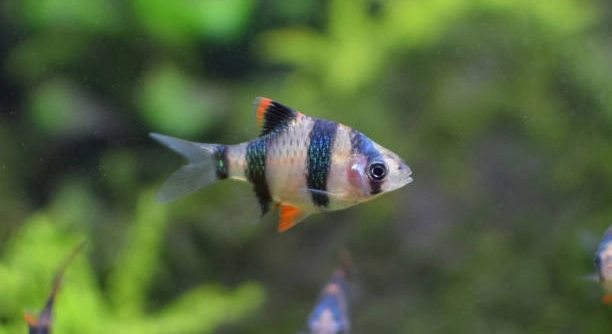
Introducing new tiger barbs to your aquarium requires careful steps to ensure a smooth transition. These lively fish need time to adjust to their new environment. Proper introduction helps prevent stress and aggression among tank mates.
The best method to introduce new tiger barbs involves quarantining them first, acclimating slowly to the tank water, and monitoring interactions closely. This reduces the risk of disease and territorial conflicts, promoting a healthy and peaceful community aquarium.
Following these guidelines will help your tiger barbs settle comfortably. Proper care during introduction supports their long-term health and keeps your tank balanced and enjoyable.
Preparing Your Tank for New Tiger Barbs
Before adding new tiger barbs, it is important to prepare the tank properly. Start by cleaning the tank and checking water conditions, including temperature, pH, and ammonia levels. These fish thrive in water between 74 and 79°F with a pH of 6.5 to 7.5. Make sure the tank is well-filtered and cycled to support healthy fish life. Adding plants or decorations helps provide hiding spots, which can reduce stress for both new and existing fish. Remove any aggressive fish that may harm the newcomers. Quarantine the new tiger barbs in a separate tank for at least two weeks to monitor their health. This step helps prevent the spread of disease to your main tank. Proper tank preparation sets a good foundation for successful introduction and keeps the environment stable for all fish involved.
Tank preparation is crucial to prevent stress and illness during the introduction process.
Setting up a stable environment shows respect for the needs of tiger barbs. This also reduces the risk of aggression and illness. Taking time to adjust water parameters and offer hiding spaces ensures the fish will feel safe and comfortable. Quarantine protects your main tank from potential health issues and gives you a chance to observe the new fish’s behavior. When the tank is ready and the new barbs are healthy, you can proceed to acclimate them gradually, giving them the best start in their new home.
Acclimating Tiger Barbs Slowly
Acclimation helps tiger barbs adjust to new water conditions without shock.
The best way to acclimate is by floating the sealed bag with the fish in the tank water for 15 to 20 minutes. This equalizes the temperature. Then, gradually add small amounts of tank water to the bag every 10 minutes over an hour. Avoid pouring the bag water directly into the tank to prevent contamination. Slowly introducing the fish to their new environment reduces stress and helps them adapt more easily. Once acclimated, gently release the fish into the tank. Watch their behavior closely in the first few hours. Look for signs of stress or aggression. If needed, separate any aggressive individuals temporarily. Following these steps creates a calm transition that supports the health and well-being of your tiger barbs and tank community.
Monitoring Behavior After Introduction
Watch the new tiger barbs carefully once they enter the tank. Early signs of stress or aggression need attention to avoid serious problems.
It’s common for tiger barbs to show some chasing or nipping as they establish a pecking order. However, if aggression becomes excessive, it can harm both new and existing fish. Provide plenty of hiding places and distractions to reduce tension. Observe how the fish interact during the first few days, noting any unusual behavior or physical damage. If aggression continues, consider separating the most aggressive fish temporarily until the group settles.
Stress can also cause fish to hide or refuse food. Make sure water quality remains stable, and feed high-quality food to help new tiger barbs regain strength. Gradually, they should begin exploring and behaving normally. Patience during this time ensures a peaceful tank environment and promotes healthy social interactions among all fish.
Feeding Tips for New Tiger Barbs
New tiger barbs may be shy or reluctant to eat at first.
Feed small amounts of high-quality flake or pellet food designed for tropical fish. Offering live or frozen foods like bloodworms or brine shrimp encourages feeding and supports their immune system. Feed twice daily in small portions to prevent overfeeding and maintain water quality. Observe the fish during feeding to ensure all are eating well, especially the new arrivals. Sometimes, adding food in different tank areas helps shy fish find their meal. Maintaining a balanced diet during this adjustment phase promotes growth, coloration, and overall health. Consistency in feeding routines helps new tiger barbs settle more quickly and reduces stress from hunger or competition.
Ensuring Proper Tank Size
Tiger barbs need enough space to swim freely and reduce aggression. A tank of at least 20 gallons is recommended for a small group.
Providing more space helps maintain a balanced environment and limits territorial disputes. Overcrowding can increase stress and lead to unhealthy behavior among fish.
Maintaining Water Quality
Consistent water quality is essential for tiger barbs’ health. Regular water changes of 20-25% weekly keep nitrate and toxin levels low. Use a reliable test kit to monitor ammonia, nitrites, and pH levels. Keeping the water clean reduces stress and supports strong immune systems, allowing the fish to thrive.
Group Size and Social Needs
Tiger barbs are schooling fish that feel safer and behave better in groups of at least six. Smaller groups often show more aggression and stress. Keeping a proper group size helps balance the social structure and creates a livelier tank atmosphere.
FAQ
How long should I quarantine new tiger barbs?
Quarantining new tiger barbs for at least two weeks is best. This period helps detect diseases or parasites before adding them to your main tank. Watch for signs like spots, abnormal swimming, or loss of appetite. A healthy quarantine reduces risks to your established fish.
Can tiger barbs live with other fish species?
Yes, tiger barbs can live with other fish, but careful selection is important. They may nip fins, so avoid slow or long-finned species like bettas or angelfish. Good tank mates include fast, similarly sized fish such as danios or barbs that tolerate their activity and temperament.
What should I do if tiger barbs show aggression?
Some chasing is normal, but persistent aggression needs attention. Increase hiding spots and plants to break sightlines. If aggression is severe, consider separating the aggressive fish temporarily. Also, keep tiger barbs in groups of six or more to reduce bullying and balance their social behavior.
How often should I feed tiger barbs?
Feed tiger barbs small amounts twice daily. Overfeeding can pollute the tank and cause health issues. Provide a varied diet with quality flakes or pellets, supplemented by occasional live or frozen foods. This supports their vibrant colors and overall health.
How do I know if new tiger barbs are stressed?
Signs of stress include hiding, loss of appetite, clamped fins, or rapid breathing. Stress may result from poor water quality, aggression, or sudden changes. Ensure water parameters are stable and the tank has plenty of hiding places. Patience and gentle care help fish adjust gradually.
Is it necessary to acclimate tiger barbs before adding them to the tank?
Yes, acclimation is important to prevent shock. Slowly introduce tank water to the bag holding the fish over an hour, then gently release them. This helps fish adjust to new water chemistry and temperature, reducing stress and improving survival chances.
What tank size is best for tiger barbs?
A minimum of 20 gallons is recommended for a small group of tiger barbs. Larger tanks provide more swimming space and help reduce territorial disputes and aggression. More room means healthier fish and a more stable environment overall.
Can tiger barbs jump out of the tank?
Tiger barbs are active swimmers and can jump, especially when startled. It’s important to use a secure lid or cover to prevent escapes and injuries. A tightly fitted lid also keeps the tank environment stable and safe.
How often should I change the water when keeping tiger barbs?
Regular water changes of about 20-25% weekly are ideal. This keeps nitrate and toxin levels low, supporting fish health. Use a water conditioner and monitor parameters consistently. Clean water prevents stress and disease in tiger barbs.
What plants are best to include with tiger barbs?
Hardy plants like java fern, anubias, and hornwort work well with tiger barbs. These plants tolerate the active nature of the fish and provide hiding spots. Live plants improve water quality and reduce stress by offering natural shelter.
How many tiger barbs should be kept together?
Tiger barbs are schooling fish and should be kept in groups of six or more. Smaller groups often lead to more aggression and stress. A larger group helps spread out any chasing and creates a balanced social dynamic.
Are tiger barbs compatible with shrimp or snails?
Tiger barbs may see small shrimp as food, so they are generally not safe tank mates. Snails can sometimes coexist but risk harassment. If you want invertebrates, monitor interactions carefully and provide plenty of hiding spots.
What are common health problems in tiger barbs?
Common issues include ich, fin rot, and bacterial infections, often caused by poor water quality or stress. Quarantine new fish and keep water clean to prevent problems. Early detection and treatment improve recovery chances.
How can I reduce fin nipping among tiger barbs?
Keeping a large enough group helps spread out aggression. Provide plenty of hiding places and decorations to break lines of sight. Feeding a balanced diet and maintaining good water quality also reduce stress and nipping behavior.
Is it okay to add new tiger barbs to an established tank?
Yes, but only after proper quarantine and acclimation. Introduce new fish slowly and watch for aggression. Preparing the tank and having a good group size helps new tiger barbs integrate smoothly.
If you need more specific advice about your tank setup or fish behavior, feel free to ask!
Introducing new tiger barbs to your aquarium can be a smooth and rewarding process when done carefully. Taking the time to prepare your tank, quarantine new fish, and acclimate them slowly helps reduce stress and prevent health problems. Tiger barbs are active and social fish that thrive in a balanced environment with proper care. Following key steps supports their well-being and encourages peaceful interactions with other tank mates.
Paying close attention to water quality, tank size, and group dynamics is essential for success. Regular water changes and stable parameters keep the fish healthy and comfortable. Keeping tiger barbs in groups of six or more helps minimize aggression and creates a natural social structure. Providing plenty of hiding spots and plants also helps reduce stress and gives the fish places to retreat if needed. Feeding a balanced diet and observing behavior daily ensures they stay strong and active.
Overall, patience and consistent care are important when adding new tiger barbs. Watch their behavior closely during the first days and be ready to make adjustments as needed. With proper introduction and ongoing maintenance, your tiger barbs will adapt well and bring lively energy to your tank. This careful approach benefits not only the new fish but also the entire aquarium community, helping create a healthy and enjoyable aquatic environment.

Hello,
If you enjoy the content that we create, please consider saying a "Thank You!" by leaving a tip.
Every little bit helps us continue crafting quality advice that supports the health, happiness, and well-being of pets around the world, for pets of all shapes, sizes, and species.
We really appreciate the kindness and support that you show us!