
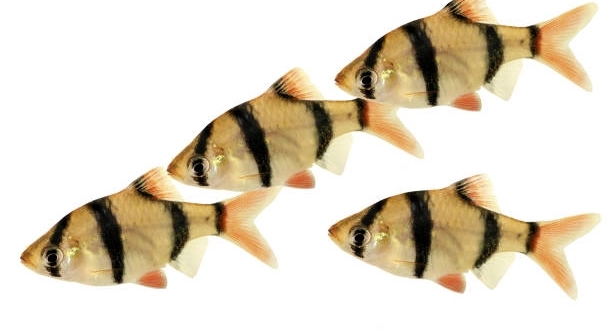
Is your tiger barb swimming sideways and behaving differently than usual? Many fish owners notice this strange movement and wonder what it means. Understanding why your fish acts this way can help you keep it healthy and happy.
Swimming sideways in tiger barbs is often a sign of swim bladder disorder, which affects their ability to control buoyancy. This condition can result from infections, poor water quality, or physical injury, causing the fish to lose balance and swim abnormally.
Learning more about this behavior can help you identify the cause and take proper care steps. The following information will guide you through common reasons and solutions for your fish’s unusual swimming.
Causes of Sideways Swimming in Tiger Barbs
There are several reasons why your tiger barb might swim sideways. One common cause is swim bladder disorder, which affects the fish’s ability to stay balanced in the water. This problem can happen because of infections, injuries, or poor water conditions. Another factor is constipation or overeating, which can put pressure on the swim bladder and cause imbalance. Sometimes, sudden changes in temperature or water chemistry stress the fish, leading to unusual swimming patterns. It’s also possible that parasites or bacterial infections are affecting the nervous system or muscles, making it hard for the fish to swim normally. Observing your tank environment and the fish’s behavior can give clues about the exact cause. Ensuring the water is clean and stable helps reduce many of these issues. In some cases, a vet or specialist might need to check the fish for infections or diseases to provide proper treatment.
Swim bladder problems are often linked to diet or tank conditions. Adjusting these can help your fish recover.
Keeping a close eye on your tiger barb’s eating habits and tank environment will help prevent this issue from coming back. Regular water changes and a balanced diet are essential to maintain good health.
How to Treat Swim Bladder Issues
Treating swim bladder disorder starts with improving water quality. Test the tank regularly for ammonia, nitrite, and nitrate levels, and perform partial water changes to keep these in safe ranges. Feeding your fish high-quality, easily digestible food is important to avoid constipation. Offering peas after cooking (without the skin) can help clear the digestive system. If you suspect infection, isolating the fish and consulting a veterinarian for antibiotics may be necessary. Lowering the water temperature slightly can also reduce stress and help the fish recover. Avoid overfeeding and sudden changes in tank conditions, as these can worsen the problem. Monitoring the fish closely over several days helps to see if symptoms improve or worsen. Consistency in care and patience are key to supporting your tiger barb’s return to normal swimming. With the right steps, many fish fully recover from swim bladder disorders.
Preventing Sideways Swimming in Tiger Barbs
Maintaining good water quality is key to preventing swim bladder issues. Regular water changes and proper filtration keep toxins low. Feeding a balanced diet with varied, high-quality foods reduces the chance of digestive problems. Avoid overfeeding and sudden changes in tank conditions to keep your fish healthy.
Keeping the tank clean means checking water parameters weekly. Ammonia and nitrite should always be zero, and nitrates kept low. A well-filtered tank helps prevent infections and stress that can lead to swim bladder problems. Feeding your tiger barbs a mix of flakes, pellets, and occasional live or frozen food ensures they get proper nutrition. Avoid giving too much food at once; smaller portions twice a day work best. Monitoring your fish’s behavior daily helps catch problems early.
Adding live plants and hiding spots reduces stress, which can also prevent swimming issues. Stress weakens the immune system and makes fish more vulnerable to diseases. A stable environment with consistent lighting and temperature supports overall health. Using a heater with a reliable thermostat avoids sudden temperature changes that can upset your tiger barbs. Keeping tankmates peaceful and compatible minimizes bullying or injury risks, which could cause swimming difficulties.
When to Seek Professional Help
If your tiger barb’s sideways swimming persists despite good care, it may need medical treatment. Prolonged symptoms can indicate serious infections or organ damage. Watch for other signs like loss of appetite, discoloration, or lethargy, which suggest illness.
Consulting an aquatic veterinarian or experienced fish specialist is important for accurate diagnosis and treatment. They can recommend antibiotics or medications if infections are present. Sometimes, specialized tests are necessary to identify parasites or internal issues. Early intervention increases the chance of recovery. Home treatments work best for mild cases, but professional advice is crucial when symptoms worsen or don’t improve. Keeping detailed notes about water conditions and behavior can help the vet understand the problem better. Don’t wait too long, as untreated swim bladder disorders can lead to permanent damage or death.
Signs of Swim Bladder Disorder
Swim bladder disorder often shows up as sideways or upside-down swimming. The fish may struggle to stay balanced or float near the surface. These are key signs that something is wrong with its buoyancy control.
Other signs include difficulty diving or sudden changes in swimming speed. Watch for swelling in the belly or unusual posture. These symptoms often appear together with sideways swimming.
Tank Environment Check
Make sure the tank water is clean and stable. Poor water quality stresses fish and can cause swim bladder problems. Regularly test for ammonia, nitrites, and nitrates.
Maintain consistent temperature and avoid sudden changes. Using a reliable heater and thermometer helps keep conditions steady for your tiger barbs.
Feeding Tips for Healthy Swimming
Feed your tiger barbs small amounts twice daily. Avoid overfeeding and choose foods high in fiber to prevent constipation. Offering occasional peeled peas can help digestion and reduce swim bladder issues.
Common Mistakes to Avoid
Avoid overfeeding and sudden water changes. Both can stress your fish and lead to swimming problems. Regular maintenance and balanced feeding routines support healthy fish behavior.
FAQ
Why is my tiger barb swimming sideways?
Swimming sideways usually means your fish has a swim bladder problem. This organ helps control balance and buoyancy. Issues like infections, constipation, or poor water conditions can make the swim bladder not work properly, causing the fish to swim unevenly.
Can swim bladder disorder be cured?
In many cases, yes. Mild swim bladder problems often improve with better water quality and diet adjustments. Feeding peas to relieve constipation and keeping the tank clean can help. Severe cases might need medication prescribed by a vet.
Is poor water quality a common cause of sideways swimming?
Yes, dirty water stresses fish and can lead to infections or organ damage, including swim bladder problems. Testing water regularly and doing partial water changes prevent harmful levels of ammonia, nitrites, and nitrates.
How often should I change the water to prevent swim bladder issues?
Changing 20-30% of the tank water weekly is a good routine. This keeps toxins low and the environment stable, which helps prevent swim bladder problems and keeps fish healthy overall.
What foods help prevent swim bladder problems?
Feed high-quality flakes or pellets with good fiber content. Occasionally, add fresh or frozen foods like bloodworms or brine shrimp. Feeding small amounts twice a day avoids overeating and constipation.
Can overfeeding cause swim bladder disorder?
Yes. Overfeeding can cause constipation, which puts pressure on the swim bladder. This makes it hard for the fish to swim normally. Stick to small portions and avoid feeding too often.
Are there any signs besides sideways swimming that indicate swim bladder issues?
Other signs include floating to the surface or sinking to the bottom, difficulty swimming straight, swollen belly, or loss of appetite. These symptoms together often point to swim bladder problems.
Should I isolate my fish if it swims sideways?
Isolation can help prevent spreading infections and reduce stress from tankmates. It also makes it easier to monitor and treat your fish. Use a quarantine tank if possible.
Can temperature changes affect swim bladder health?
Yes. Sudden drops or spikes in temperature stress fish and may trigger swim bladder issues. Keep the tank temperature stable, ideally between 74-78°F (23-26°C) for tiger barbs.
When is it necessary to see a vet?
If symptoms last more than a few days or worsen despite good care, professional help is needed. A vet can diagnose infections and recommend appropriate medications to improve your fish’s health.
Can swim bladder problems be prevented?
Good tank maintenance, proper feeding, and stable water conditions reduce the risk. Avoid overcrowding and stress to keep your tiger barbs healthy and swimming properly.
Is sideways swimming always caused by swim bladder disorder?
Not always. Injury, parasites, or neurological issues can also cause strange swimming behavior. Observation and proper care help identify the root cause.
How long does it take for a tiger barb to recover from swim bladder disorder?
Recovery time varies. Mild cases may improve within a week with proper care. More serious conditions can take longer and might need medical treatment.
Does stress affect swim bladder health?
Stress weakens the immune system, making fish more prone to illness, including swim bladder problems. Keep a calm environment with hiding spots and avoid aggressive tankmates.
Can I use medications without a vet’s advice?
It’s best not to. Incorrect use of medications can harm your fish or tank environment. Always consult a professional before treating infections or diseases.
Are there any tank mates that cause stress leading to swimming problems?
Aggressive or very active fish can stress tiger barbs. Stress contributes to illness and swim bladder issues. Choose peaceful, compatible tankmates for a healthy community.
Is constipation a common cause of swim bladder disorder?
Yes, constipation can cause swelling that affects the swim bladder. Feeding peas and reducing dry food helps improve digestion and prevent this issue.
What is the best water temperature for tiger barbs?
Tiger barbs thrive between 74-78°F (23-26°C). Maintaining this range supports their immune system and reduces swim bladder risks.
Can tap water cause swim bladder problems?
Tap water with high chlorine or heavy metals can harm fish. Always treat tap water with a conditioner before adding it to the tank to protect your fish’s health.
How do I know if my fish’s swim bladder is infected?
Signs include swollen belly, redness, lethargy, and persistent abnormal swimming. A vet can confirm infection and suggest treatments.
Can swim bladder problems be genetic?
Some fish may be more prone due to genetics, but environmental factors like diet and water quality are the main causes.
Are live plants helpful for tiger barbs?
Live plants reduce stress and improve water quality. They create a natural environment that supports fish health and reduces swim bladder issues.
Taking care of a tiger barb that swims sideways can feel confusing at first. This behavior often points to problems with the swim bladder, an important organ that helps the fish control its balance and buoyancy. While seeing your fish struggle is worrying, many swim bladder issues can be managed with the right care. Maintaining clean water, feeding the right foods, and keeping a stable environment are the best ways to support your fish’s health. Simple changes in how you care for your tank and the fish can make a big difference.
Good water quality plays a major role in preventing and treating swim bladder problems. Regular water testing and partial water changes remove harmful chemicals and waste that stress your fish. Stress weakens the immune system and can lead to infections or other health issues that affect swimming. Feeding your tiger barb a balanced diet with high-fiber foods like peas can help avoid constipation, which is another common cause of swim bladder disorder. Avoid overfeeding, and give smaller portions twice a day to keep digestion smooth. Making these adjustments creates a healthier tank environment and reduces the chance your fish will swim sideways.
If your tiger barb continues to swim sideways despite your efforts, seeking professional help is important. A fish veterinarian can check for infections or other illnesses that require treatment. Early intervention increases the chance of a full recovery and helps prevent permanent damage. Watching your fish closely every day and noting changes in behavior or appearance will help you catch problems early. With consistent care and attention, most tiger barbs recover well from swim bladder disorders. Keeping a calm tank, feeding properly, and staying on top of water quality are the best ways to keep your fish swimming straight and healthy.

Hello,
If you enjoy the content that we create, please consider saying a "Thank You!" by leaving a tip.
Every little bit helps us continue crafting quality advice that supports the health, happiness, and well-being of pets around the world, for pets of all shapes, sizes, and species.
We really appreciate the kindness and support that you show us!